Content Refresh Strategy: Keeping AI Models Updated on Your Brand
How often does AI actually re-read your content, and what's the right refresh cadence to stay accurate across model retrainings?

AI models have memory. They keep citing the content they saw at training time, even when it's wrong or stale. A refresh strategy for AI is not the same as a refresh strategy for SEO. You're not chasing rankings. You're updating the specific claims, numbers, and definitions that AI models are still quoting back, sometimes months after you've changed them. The brands with the cleanest AI presence treat content refresh as a continuous correction loop, not an annual cleanup.
Why AI Memory Is Different From Google's Memory
Google recrawls your pages constantly. Changes propagate within days or weeks. AI models work on a different clock. They read the web at training time, and then they keep using that snapshot until the next training run or retrieval update.
The gap matters. A pricing change on your site can show up in Google within 48 hours. ChatGPT may still quote the old price for six months. Perplexity, which uses live retrieval, refreshes faster, but even it caches and prioritizes well-linked historical content.
So you have two different refresh jobs. Update your site for live retrieval (Perplexity, Google AI Overviews, Bing Chat). Signal your updates aggressively so they show up in model retraining (ChatGPT, Claude, Gemini at the base level).
The Three Tiers of AI Content Refresh
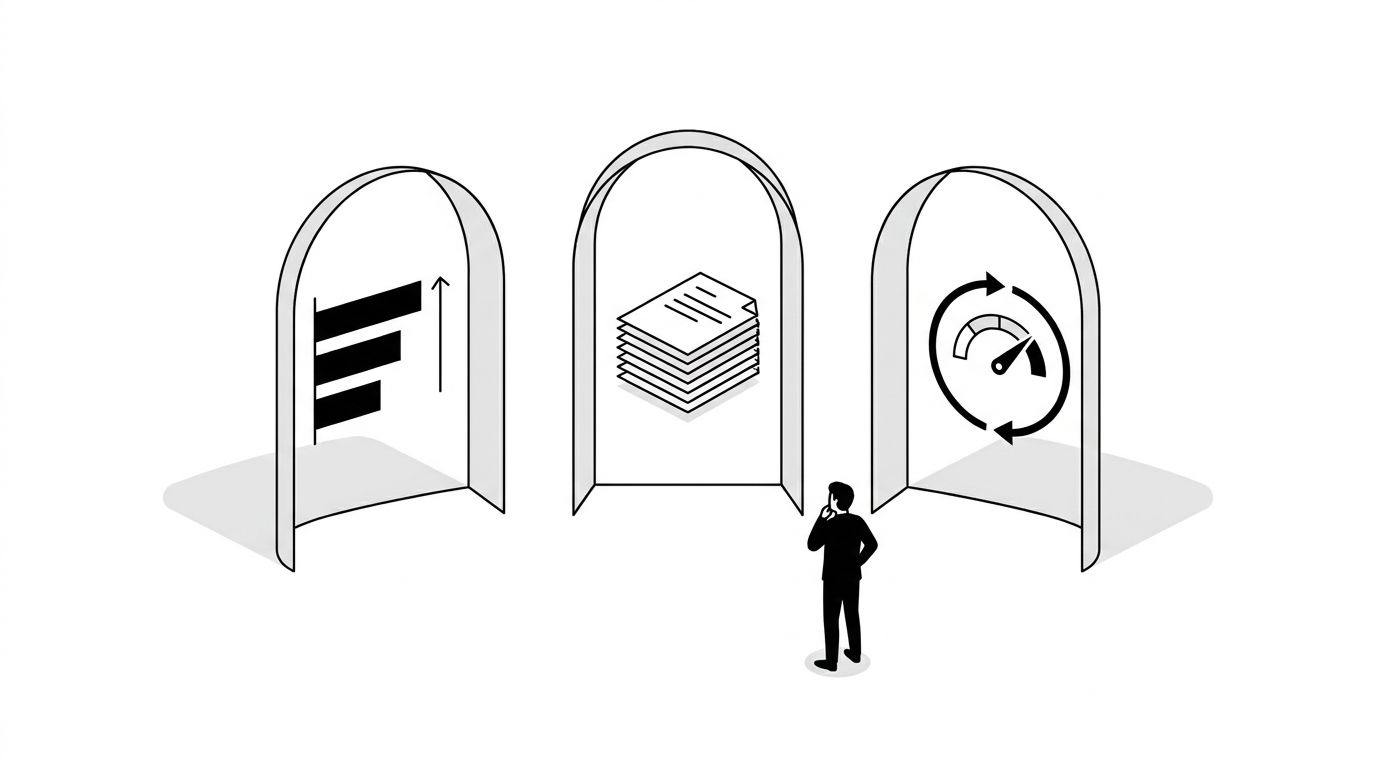
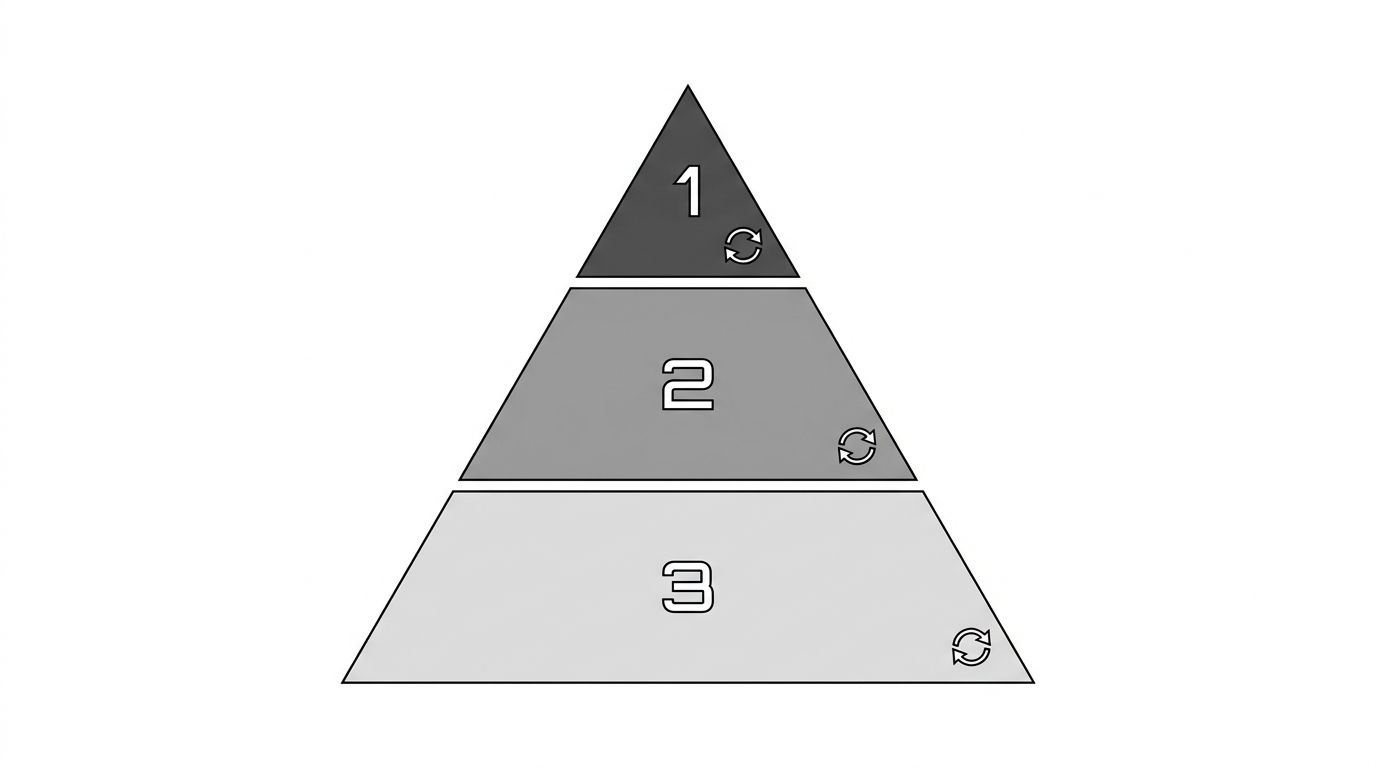
Not every piece of content needs the same refresh cadence. Sort your library into three tiers and match effort to impact.
- Tier 1: High-claim content. Pricing pages, product capability lists, feature comparisons, methodology pages. These contain specific, falsifiable claims that AI models quote. Refresh quarterly at minimum.
- Tier 2: Evergreen content. Definitional guides, how-to tutorials, reference pages. Refresh semi-annually unless the underlying topic has shifted.
- Tier 3: Archive content. Blog posts older than two years with low or declining traffic. Decide whether to refresh, merge, or deprecate rather than refreshing by default.
The image below shows how to classify your library and match refresh effort.
What to Actually Change in a Refresh
A refresh is not a rewrite. For AI specifically, the updates that move the needle are small, surgical, and evidence-based.
- Update numbers and dates. Specific figures are what AI models quote. If last year's number is on your page, you're feeding misinformation to the next training run.
- Re-anchor first-paragraph answers. The opening paragraph is still the extraction zone. If your offer or positioning changed, the first 100 words need to reflect it.
- Replace outdated examples. Case studies and reference points date quickly. One outdated example can anchor the AI's representation for months.
- Refresh schema. Update `datePublished`, `dateModified`, and any schema fields with time-sensitive values (price, availability, review aggregate).
- Add a visible last-updated note. Trust signal for human readers, retrieval signal for AI.
Our AI content audit guide covers how to identify which pages need refreshes first.
How to Signal an Update to AI Models
Live-retrieval platforms catch updates fast. Training-set-based platforms don't. You can accelerate training-run inclusion with a few signals.
- Republish the page with a new `dateModified` and ideally a noticeable content change, not just a metadata tweak.
- Earn fresh external links to the updated page. New backlinks are one of the strongest freshness signals.
- Syndicate the update (blog post, newsletter, relevant community) so the change appears in multiple places models index.
- Add the refreshed content to your XML sitemap with the new modification date.
- Push the correction through social (especially Reddit and X) if the old version is being quoted widely.
Our AI visibility metrics guide has the tracking side. Refresh without tracking is like cooking without tasting.
How Often to Audit What to Refresh
Don't audit your whole library every quarter. That burns effort on pages that don't need it. Instead:
- Run the tier-1 refresh audit quarterly.
- Run a tier-2 audit semi-annually.
- Do a full library audit annually, primarily to decide what to deprecate.
For ongoing work, our content strategy service includes a standing refresh backlog aligned to AI visibility impact. For deeper optimization of the pages themselves, our GEO optimization service maps current AI representation against your updated content.