
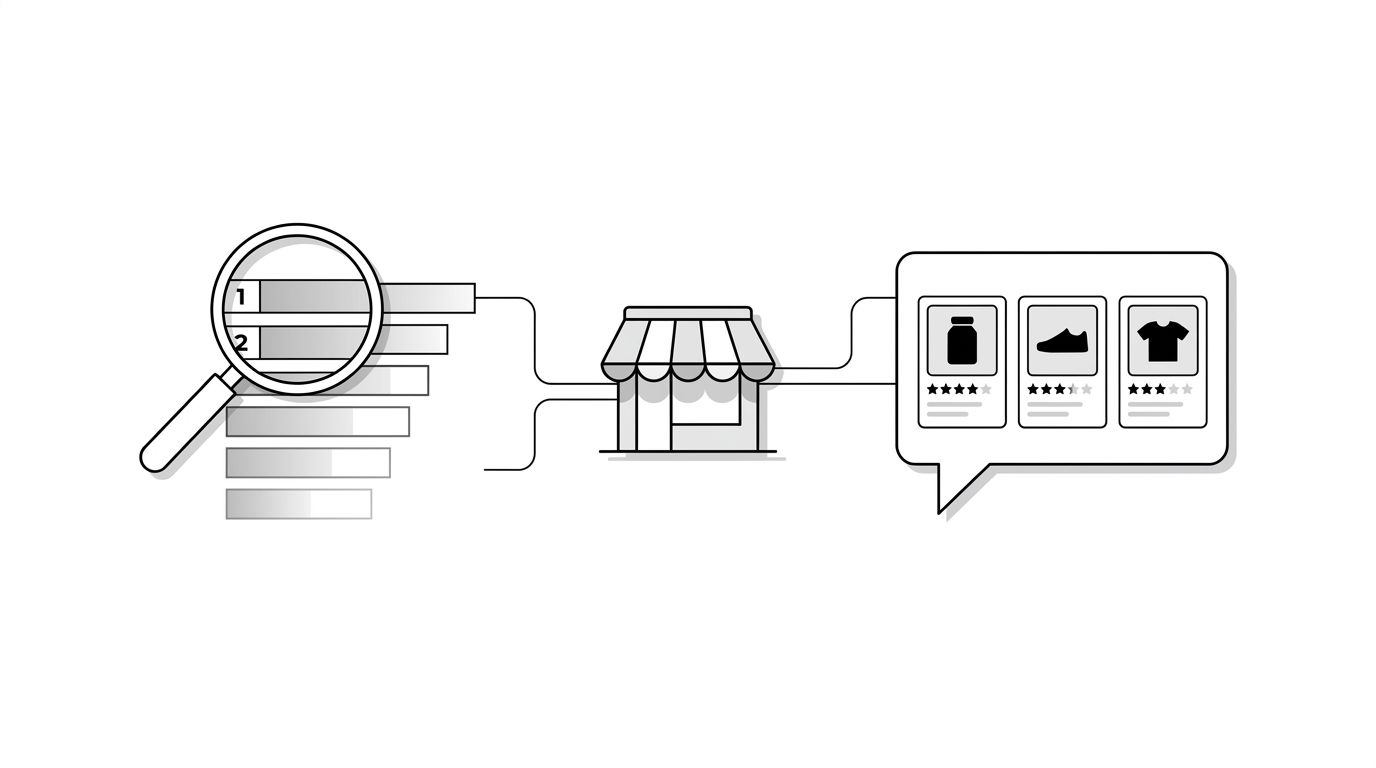
The Best Shopify SEO Agencies in 2026
June 5, 2026
Which Shopify SEO agencies can rank your store on Google and get your products into the answers AI shopping assistants give?
Read article →
Content Strategist & Digital Experience Consultant
Lauren Caldwell has always been interested in what happens when language and technology overlap. She has a background in linguistics and has spent her career working across content strategy, UX writing, and search optimization. She thinks about marketing from the user's side first: how people actually think, search, and decide.
Lauren started in UX research at a fintech startup in Boston, running user interviews and usability tests that shaped how the company talked to its customers. That experience made her pay attention to the gap between what businesses want to say and what their audience actually needs to hear. She brought that thinking into content strategy, first at a healthcare marketing agency and then at a large insurance company, where she led a content overhaul that made a real difference in how much organic traffic the site was pulling in.
Over the past ten years, Lauren has worked across SaaS, insurance, healthcare, ecommerce, retail, manufacturing, local businesses, and professional services. She focuses on how content is organized: the structure, the internal linking, how things get surfaced across different channels. Her work on topic clustering and content mapping has helped a lot of companies build real authority in competitive search areas.
Lauren got interested in AI from the language side. She was studying how large language models process and produce text before most marketers had heard of ChatGPT. That understanding shapes her work today. She helps businesses use AI tools for content creation while keeping their editorial standards and brand voice intact. She spends a lot of her time on quality control, building review processes that keep AI-assisted content from turning generic or getting things wrong.
For GEO, Lauren thinks the answer isn't to try to game new systems. She believes the best approach is to create content that's well-structured, well-sourced, and actually useful, so that any system, whether traditional search or AI-powered, will pick it up. She runs training programs and workshops that help content teams adjust to how search is changing without throwing out the basics that have always worked.
Lauren studied linguistics and human-computer interaction in college and grad school. She lives in Denver, runs trails regularly, and volunteers with a local literacy nonprofit that provides tutoring and books to kids who need them. She's also a serious home cook. She keeps a binder of her kitchen experiments that her friends have been trying to get her to turn into a cookbook for years. She writes about content strategy, AI content quality, GEO, SEO, UX writing, and building content programs that work for both readers and search engines.
June 5, 2026
Which Shopify SEO agencies can rank your store on Google and get your products into the answers AI shopping assistants give?
Read article →
May 10, 2026
Does HIPAA really restrict what your hospital or wellness brand can publish for AI Overviews, or is your team blocking the wrong risk?
Read article →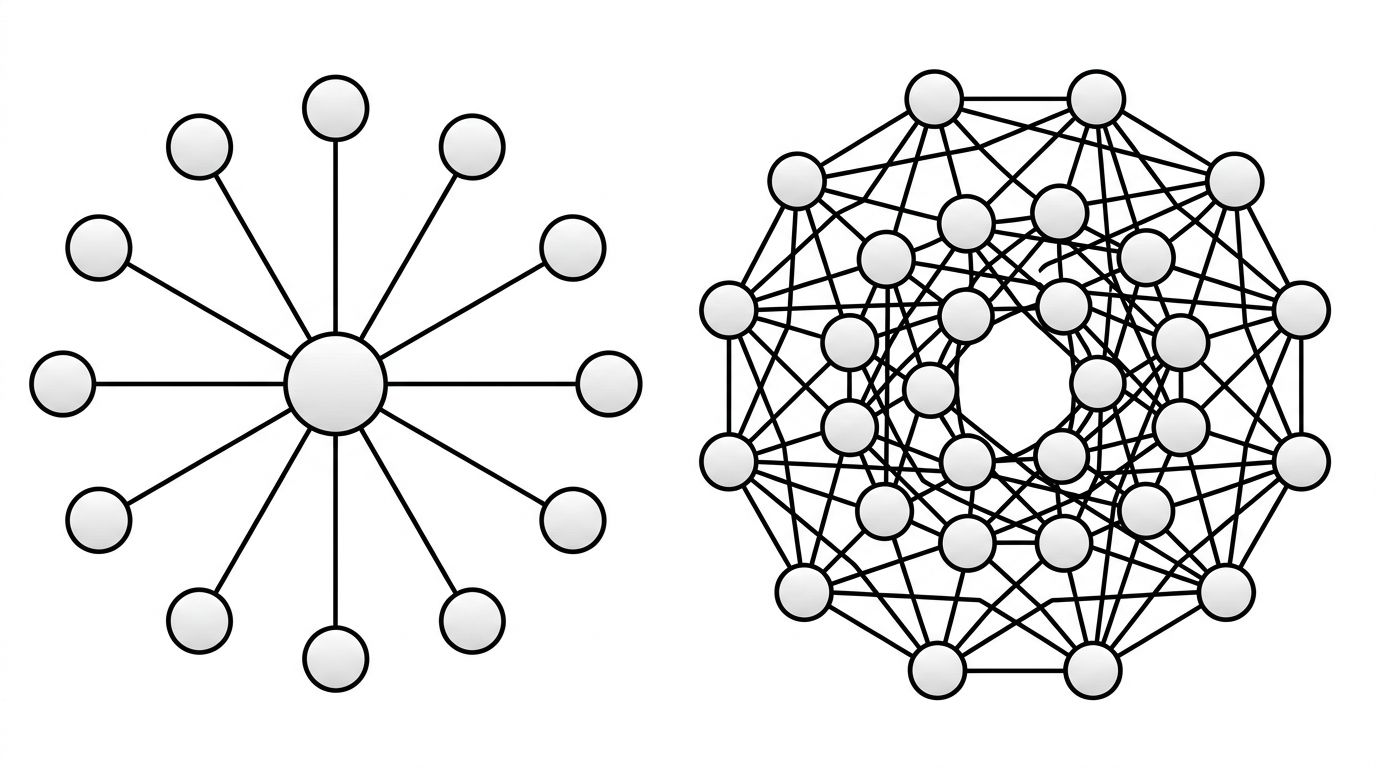
May 9, 2026
Which internal linking architecture wins citations from ChatGPT and Perplexity, and why do most sites need to run both patterns at once?
Read article →
April 17, 2026
How do healthcare and wellness brands earn AI citations when ChatGPT and Gemini deliberately under-cite medical sources to limit liability?
Read article →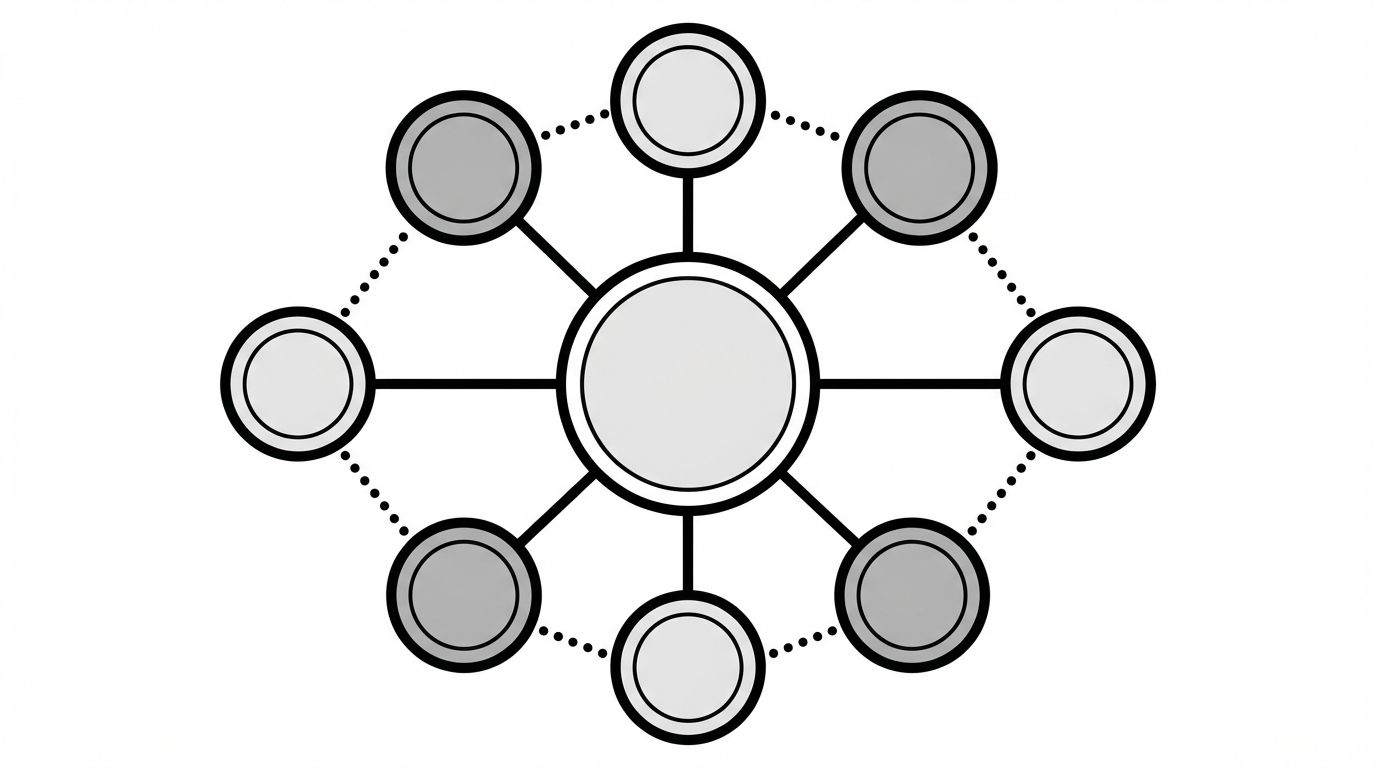
April 13, 2026
How do pillar-cluster content structures signal topical authority to ChatGPT, Perplexity, and Gemini, and when do they outperform standalone posts?
Read article →
April 12, 2026
Being mentioned by AI isn't enough if ChatGPT calls you unreliable, so how do you measure and improve how AI platforms frame your brand?
Read article →
April 8, 2026
Why is your FAQ page the asset AI platforms actually want to cite, and how do you structure it so ChatGPT or Perplexity pulls the answer from you?
Read article →
April 1, 2026
What do you do when ChatGPT fabricates pricing, features, or positioning about your brand, and how do you stop AI errors before they spread?
Read article →
March 25, 2026
From AI visibility to citation authority and prompt share, what do the 50 GEO terms every marketer now hears in strategy meetings actually mean?
Read article →