Pillar-Cluster Content Architecture for GEO
How do pillar-cluster content structures signal topical authority to ChatGPT, Perplexity, and Gemini, and when do they outperform standalone posts?

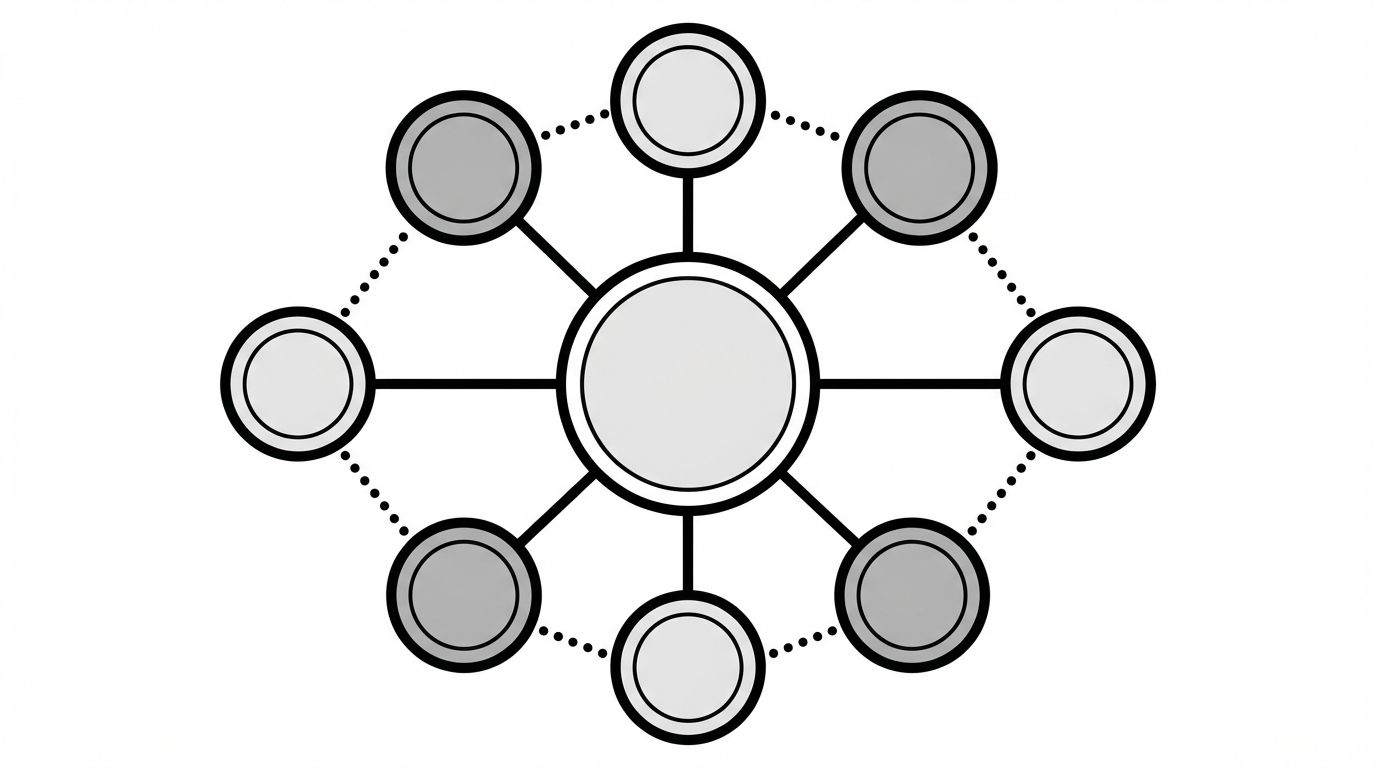
Pillar-cluster architecture is not new to SEO, but it does something different for GEO that most teams miss: it teaches AI models the scope and depth of your expertise on a topic, not just the existence of individual pages. A standalone blog post might get cited once. A pillar page with eight tightly linked cluster posts creates a topical web that AI models recognize as authoritative coverage -- the kind of source they pull from repeatedly when answering questions across a subject area.
Why AI Models Reward Topical Depth
Large language models do not evaluate pages in isolation the way traditional search crawlers do. When an LLM encounters multiple interlinked pages covering adjacent facets of a topic, it builds a stronger association between your domain and that subject.
- Breadth signals expertise: A site with one post on content strategy looks like a dabbler. A site with a pillar on content strategy plus clusters on formats, writing techniques, topic authority, and FAQ optimization looks like an authority.
- Internal links create context: When your pillar page links to a cluster on how to write citable content and that cluster links back, both pages gain contextual depth that AI models can traverse.
- Consistent terminology reinforces entity recognition: Using the same key terms across pillar and cluster content helps models associate your brand with specific concepts.
This is the same principle behind topic authority -- but pillar-cluster architecture gives you a practical framework for building it.
Anatomy of a GEO-Optimized Pillar-Cluster
The diagram below shows how a pillar page connects to cluster posts and how AI models traverse those connections.
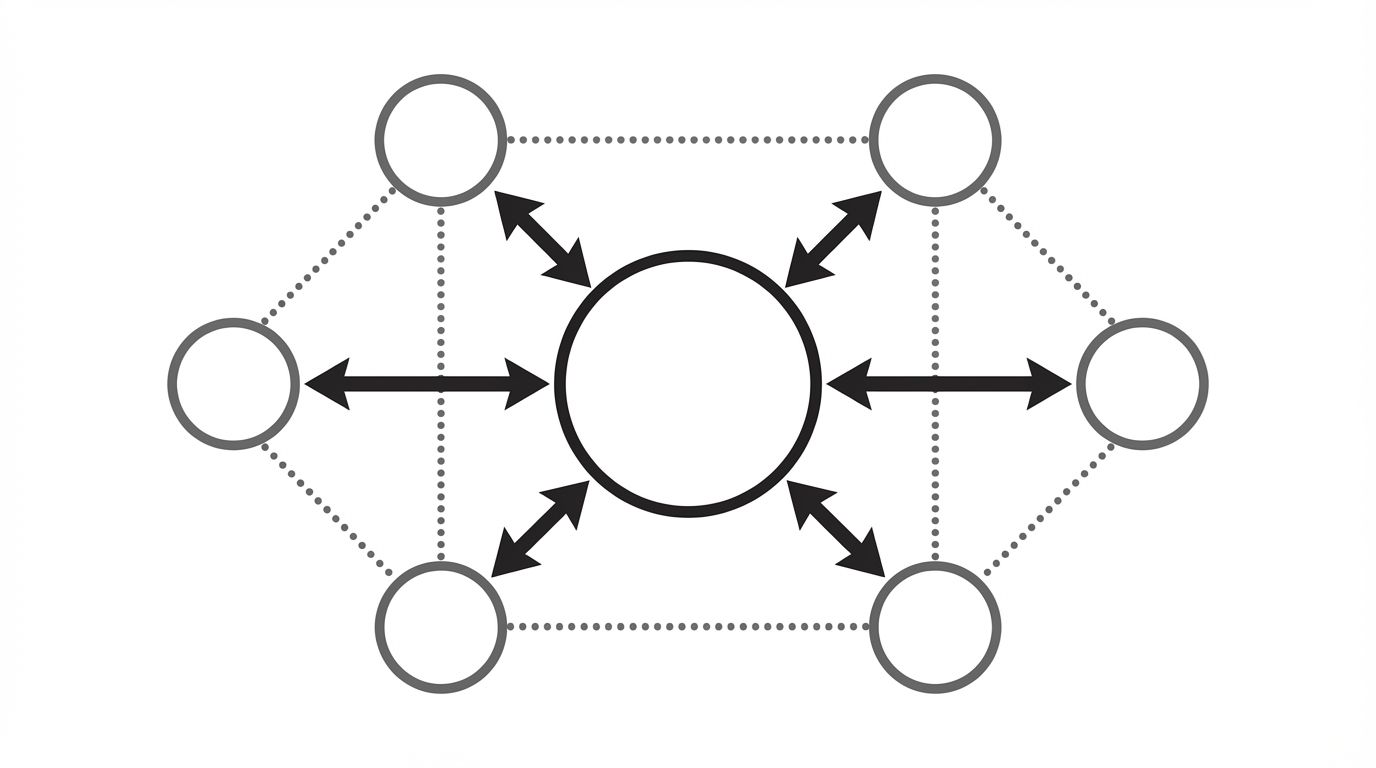
A traditional SEO pillar-cluster focuses on keyword coverage and link equity. A GEO-optimized version prioritizes three additional elements. Before going further, it is worth distinguishing pillar-cluster from the looser hub-and-spoke pattern -- hub-spoke vs pillar-cluster walks through which structure fits which content shape.
Structured Answer Density
Each cluster post should contain at least two or three passages that directly answer a question an AI model might receive. These are not buried insights -- they are clearly structured statements that a model can extract and paraphrase.
- Use question-format H2 or H3 headings where natural
- Follow each question heading with a concise, self-contained answer in the first paragraph of that section
- Add supporting detail after the direct answer, not before
Bidirectional Linking With Context
Every link between pillar and cluster should include surrounding text that explains the relationship. AI models process link context -- the sentences around a link -- to understand how pages relate.
- Bad: "Learn more about topic authority here."
- Good: "Topic authority determines how much weight AI models give your content when selecting sources to cite. Our analysis of how AI models evaluate authority breaks down the three signals that matter most."
The second version gives the AI model a semantic bridge between the two pages. This same principle applies to your broader internal linking strategy.
Cross-Cluster Connections
Cluster posts should not only link back to their pillar. They should link to sibling clusters when the content overlaps. If your cluster on FAQ content mentions content formats, it should link to your cluster on content formats. These lateral links create a mesh, not just a hub-and-spoke, and meshes give AI models more traversal paths to discover your content. The deeper reason this works is that internal links carry entity relationships the model uses to connect concepts across pages.
How to Build Your First Pillar-Cluster for GEO
Follow these steps to build your first topical cluster:
- Choose a topic you can cover in 6-10 pieces: The pillar should be broad enough to support subtopics but narrow enough that every cluster clearly belongs. "Content strategy for AI" works. "Digital marketing" is too broad.
- Map the cluster posts before writing: List every subtopic that a buyer might ask about within your pillar topic. Each becomes a cluster candidate. Eliminate any that duplicate existing content.
- Write the clusters first: Each cluster post should be a standalone piece that delivers a specific, actionable insight. Do not write thin posts that exist only to support the pillar.
- Write the pillar last: The pillar should summarize each cluster topic in one or two paragraphs and link out to the full cluster post. This ensures the pillar reflects what actually exists rather than what you planned.
- Add cross-links between clusters: After all pieces are published, review each cluster for natural linking opportunities to siblings.
What to Do Next
Audit your existing content for natural pillar-cluster opportunities. Look for topics where you already have three or more related posts but no connecting pillar page. Adding that pillar and filling link gaps can turn scattered content into an authority-building structure.
If you want to identify which topics your brand should own in AI responses, Geology's content strategy service includes topical authority mapping and pillar-cluster planning tailored to GEO.