GEO for Healthcare and Wellness Brands
How do healthcare and wellness brands earn AI citations when ChatGPT and Gemini deliberately under-cite medical sources to limit liability?


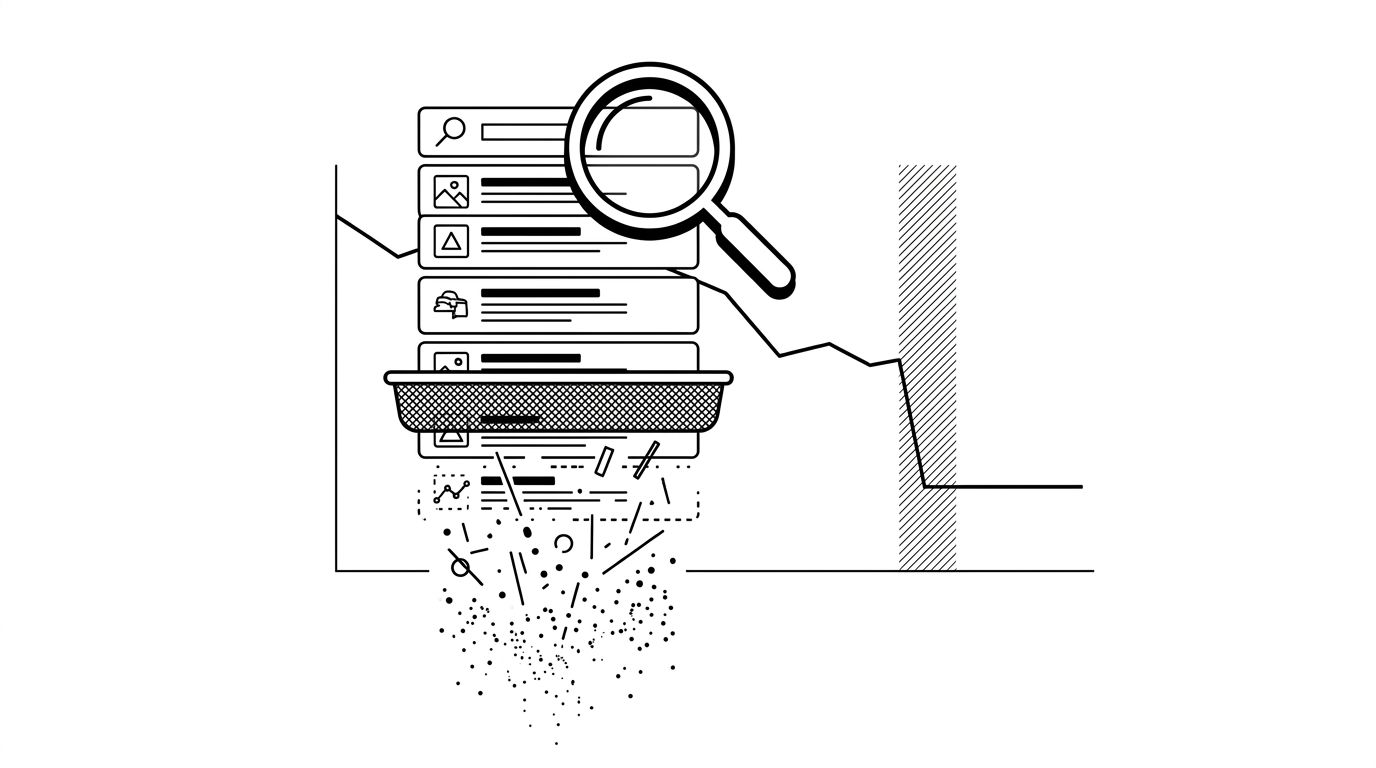
Healthcare is the one vertical where AI models deliberately under-cite most brands. ChatGPT, Gemini, and Copilot apply stricter retrieval filters to medical and wellness queries because of liability exposure, so a page that would earn a citation in SaaS or ecommerce gets demoted when the query looks clinical. The way through is not louder content marketing. It is building the specific trust signals the models use to decide whether a source is safe to surface: named credentialed authors, medical review metadata, peer-reviewed citations, transparent author and editorial policies, and schema that maps to the MedicalWebPage or MedicalCondition types. Most wellness brands skip these and then wonder why AI refuses to recommend them next to WebMD and the Mayo Clinic.
Why Healthcare AI Retrieval Is Different
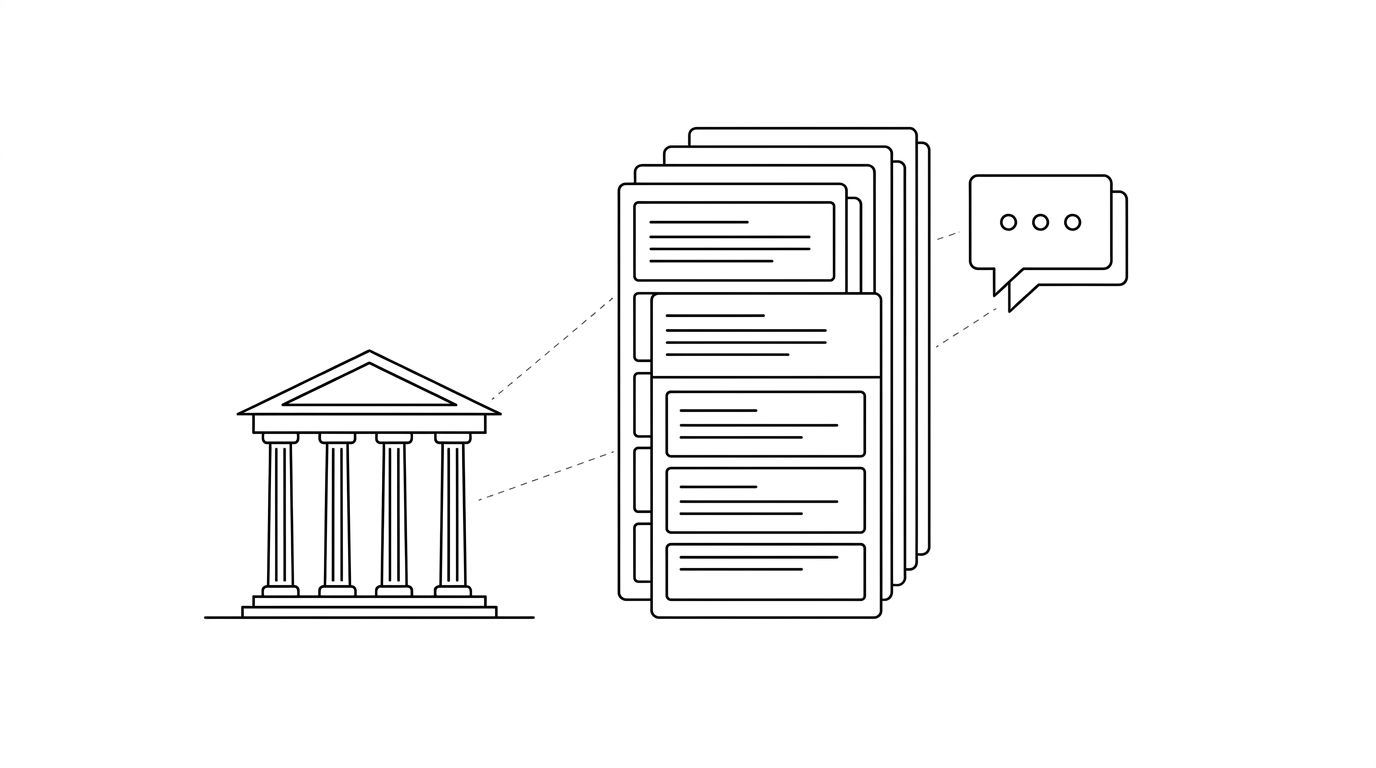
AI providers treat medical queries as a protected category. Anthropic, OpenAI, and Google publish guidelines that bias retrieval toward institutional sources. A prompt like "what are the symptoms of long COVID" will pull the CDC, NIH, a major academic medical center, and peer-reviewed journals before any brand page.
That does not mean a wellness brand has no path in. It means the path is specific. Retrieval systems look for signals that the source is credentialed, current, and accountable. Our guide on AI compliance for regulated industries covers the regulatory backbone.
The Signals That Actually Move Citations in Healthcare

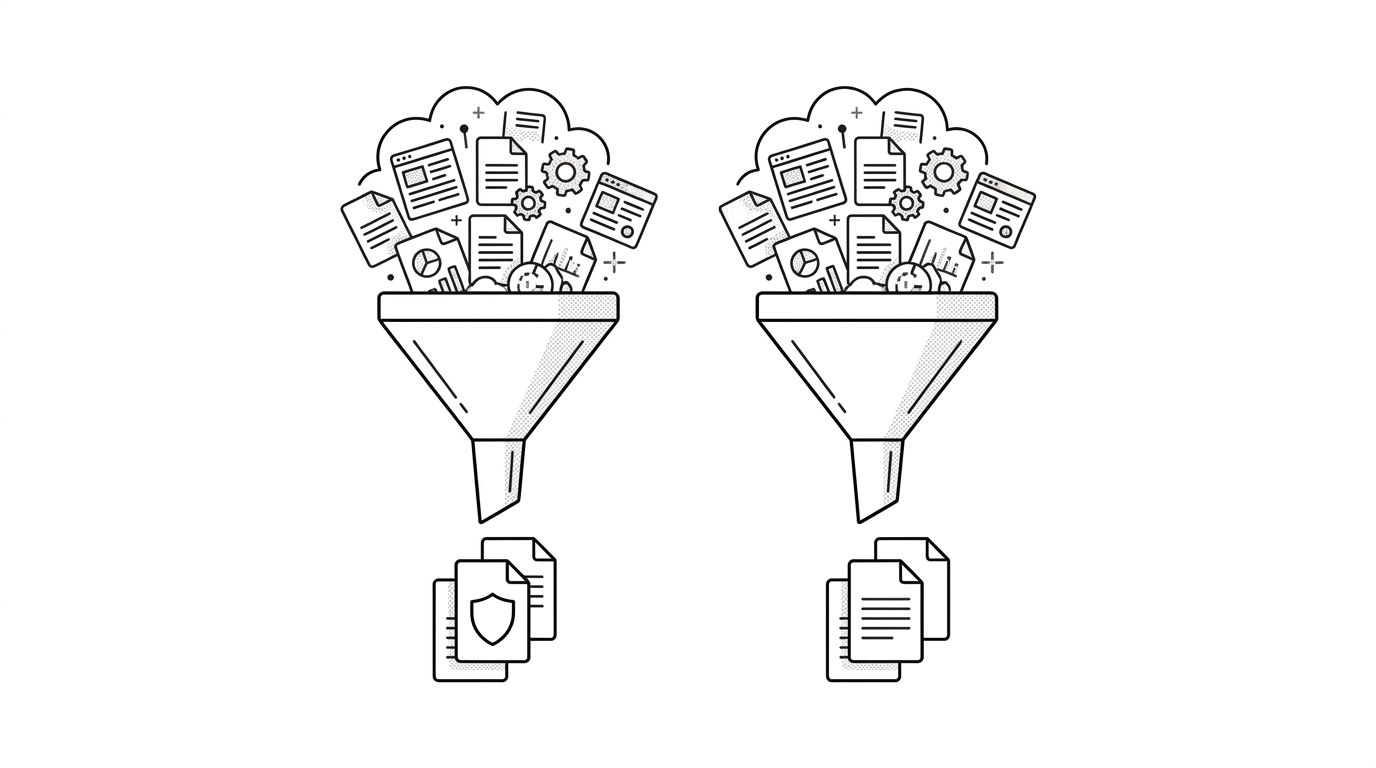
The gates above are what most healthcare content fails at, in order. Fix each one before moving to the next.
Gate one: credentialed authorship. Every clinical page needs a named author with visible credentials (MD, RN, PharmD, RD, DO, PhD in a relevant field). Attach Person schema with `hasCredential` markers and a link to a full bio page. Anonymous or marketing-team-authored clinical content is the single biggest reason wellness brands get skipped.
Gate two: medical review metadata. Show the reviewing clinician, their credentials, and the review date. Models look for `reviewedBy` and `lastReviewed` signals. A two-year-old unreviewed article gets demoted even if the content is correct.
Gate three: peer-reviewed citations. Inline citations to PubMed, NIH, or peer-reviewed journals act as a trust multiplier. Models cross-reference these during retrieval. A brand page that cites five peer-reviewed studies reads as authoritative, one that cites blog posts reads as marketing.
Content Types That Get Cited
Once the trust gates are clean, certain formats dominate healthcare AI citations:
- Symptom and condition explainers with a clear "when to see a doctor" boundary
- Drug or supplement information pages with dosage, interactions, and contraindications
- Procedure explainers written by or reviewed by the performing clinician type
- Patient education FAQs attached to a specific condition or treatment
Brands that try to compete on lifestyle listicles ("10 foods that boost immunity") will lose every time. That content is a poor fit for medical retrieval filters.
The Wellness Brand Gap
Wellness is tougher than clinical healthcare because AI models cannot always distinguish a wellness brand with clinical grounding from one making unsupported claims. The fix is overdelivering on signals models check: publish named dietitians, psychologists, or physiologists as authors, separate marketing content from educational content at the URL level, cite primary research, and add disclaimers when claims are outcome-based rather than research-backed.
The wellness brands winning in AI recommendations look more like institutional educators than like DTC marketers.
Compliance and GEO Are the Same Project
HIPAA, GDPR health provisions, FDA advertising rules, and FTC wellness guidance push in the same direction as AI retrieval filters. A brand that is compliant usually has most of the GEO signals already. Brands trying to shortcut GEO in healthcare often hit compliance issues. The HIPAA-specific risks of being summarized inside Google AI Overviews are covered in healthcare AI Overviews and HIPAA.
Our insurance case study covers a parallel regulated vertical where trust-signal design lifted AI citations. The playbook translates to healthcare.
A Three-Month Plan
- Month 1: Audit existing clinical content for authorship, review metadata, and citation quality. Identify 15 highest-traffic retrofit targets.
- Month 2: Retrofit those pages with named authors, review metadata, schema, and peer-reviewed citations. Run prompt monitoring across ChatGPT, Perplexity, Gemini, and Copilot to set a baseline.
- Month 3: Publish five new explainers on conditions your brand is uniquely qualified to discuss. Remeasure citations.
Expect lift in Perplexity and Google AI Overviews within 6 to 10 weeks. ChatGPT and Gemini take longer.
The Call To Make First
If your healthcare or wellness brand publishes clinical or product content without named credentialed authors, that is the highest-ROI change you can make this quarter.
Explore our GEO optimization service to see how we structure healthcare retrofits, or read our guide on misinformation in AI responses if wrong claims are appearing about your products or treatments.