AI-Specific XML Sitemaps and Content Feeds
Do AI crawlers actually read your XML sitemap, and what changes when you publish a sitemap or content feed specifically for AI models?

The XML sitemap you have today was designed for Googlebot in 2005. AI crawlers read it, but they don't use it the way Google does. GPTBot, PerplexityBot, and Google-Extended care about freshness signals, content-type hints, and structured relationships that the basic sitemap spec doesn't capture. The brands experimenting with AI-specific sitemaps and content feeds are seeing faster ingestion, more accurate citations, and earlier appearance in new model releases. This is an emerging practice, not a standard yet, but the return is measurable enough that it's worth doing now.
What AI Crawlers Do Differently
Traditional SEO crawlers are URL-oriented. They want a list of URLs with last-modified dates. AI crawlers are more intent-oriented. They want to understand what content exists, how it's structured, and whether it's fresh enough to be worth retraining on.
Three behaviors matter.
- AI crawlers parse content hints. If your sitemap says a URL is an article published by a specific person with a specific topic, AI can prioritize ingestion accordingly.
- AI crawlers weight freshness harder than Google. A sitemap that accurately reflects last-modified dates gets better ingestion quality.
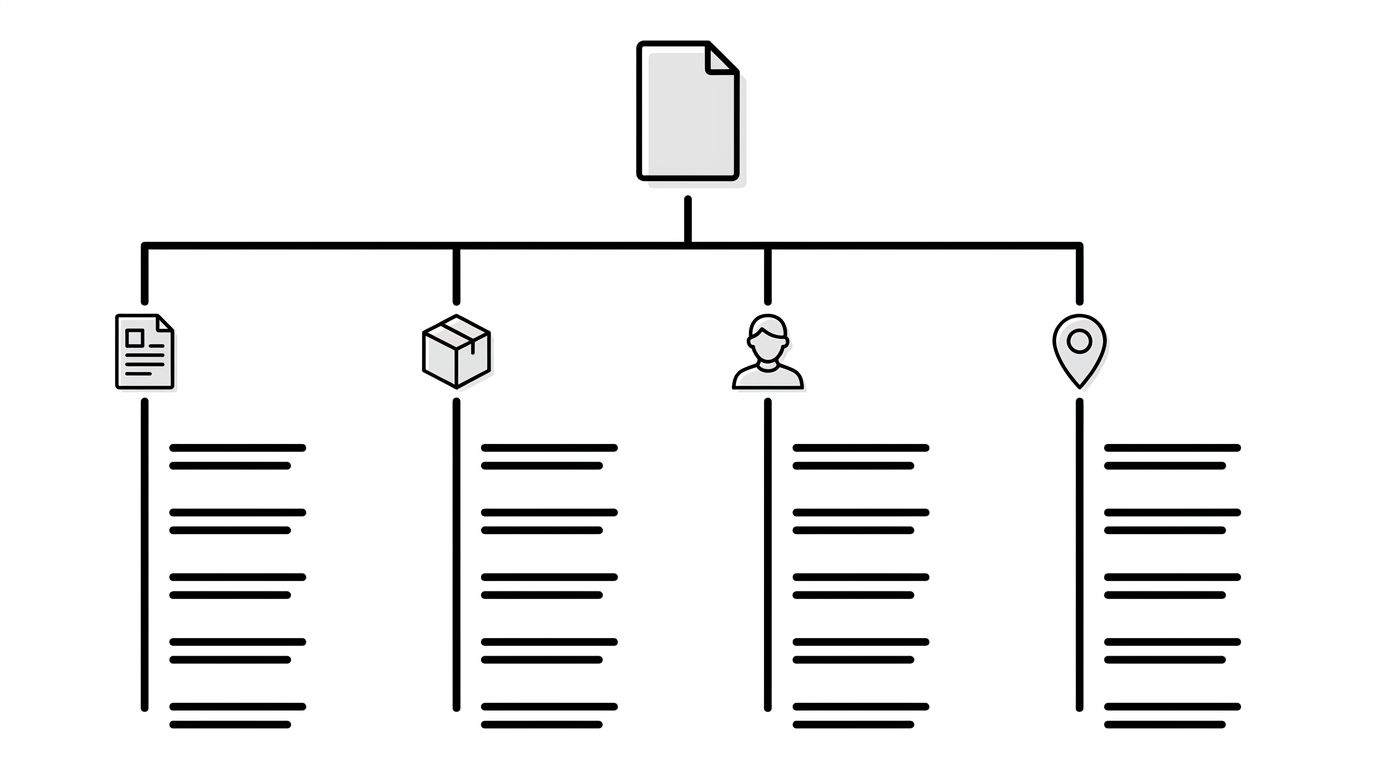
- AI crawlers appreciate content-type separation. Splitting your sitemap into articles, products, people, and events helps models route content to the right internal representation.
Building an AI-Ready Sitemap
You don't need a new standard. You need to use the existing one more fully and add extensions where useful.
- Split your sitemaps by content type. One sitemap for articles, one for products, one for people, one for locations. Submit an index file pointing to all of them. Models parse these more accurately than one monolithic file.
- Include accurate, narrow last-modified dates. Not "updated daily at midnight" defaults. Actual dates when content changed.
- Add content-type hints in sitemap extensions. Google's Video sitemap extension, News sitemap extension, and Image sitemap extension are all supported by AI crawlers. Use them where relevant.
- Include structured data in the page, not the sitemap. The sitemap is a routing file. The schema lives on the page. AI crawlers use both together.
The image below shows the typical structure of an AI-friendly sitemap index.
The Content Feed Concept
A content feed is a complement to the sitemap. Where the sitemap lists URLs, a content feed delivers the actual content in a structured, machine-readable format (usually JSON or JSON-LD). This is a growing practice specifically for AI consumption.
Three patterns are showing up.
- A public JSON-LD endpoint that aggregates all Article, Product, and FAQ schema across the site. Agents can consume this once instead of crawling every page.
- RSS or Atom feeds with full content. These have been around for years but are under-used. AI models often ingest feeds because they're standardized and clean.
- Custom API endpoints exposing structured content models. Our structured content models guide covers the CMS side of this.
Why This Matters for AI Visibility
Three measurable effects show up in the accounts where this is being tested.
- Faster ingestion into new model training runs. Cleaner feeds get picked up earlier in the crawl cycle.
- More accurate citations. When structured feeds match page content, AI citations match reality. When they diverge, citations can be stale or wrong.
- Better agent access. AI agents prefer APIs over HTML scraping. A content feed gives you a second front for discovery.
The current state of evidence is directional rather than definitive. The emerging practice is clear enough that forward-looking brands are investing in it now.
What to Implement This Quarter
If your sitemap is a single monolithic file, split it by content type. If your last-modified dates are inaccurate, fix them. If you don't publish a content feed, decide whether a JSON-LD aggregate endpoint or a full RSS feed makes sense for your content volume. Sitemaps are one of about a dozen items on our technical GEO checklist -- run the rest of the list once you have the sitemap layer right.
For brands with substantial product catalogs, the payoff is larger on product feeds than on article feeds. Our API and data feed optimization guide covers the ecommerce-specific patterns. The how AI crawls web content guide explains the crawler side in depth.
For implementation help on the technical side, our technical SEO service includes AI-specific sitemap and feed setup.