GEO for Travel and Hospitality
Why do AI travel assistants recommend one hotel or destination over another, and what signals actually win the 'things to do in' query?


Travel is the category AI models answer most confidently. Users ask "things to do in Lisbon" or "best family hotels in Tuscany" and AI gives a short, opinionated list with specific names. Behind each of those names is a content pattern that wins: deeply local expertise, structured information about the specific property or experience, and enough cross-referencing from third-party sources that AI treats the recommendation as safe. Travel brands that publish generic destination content lose every time to brands that go narrow, specific, and evidence-rich.
Why Travel Queries Are So AI-Friendly
Travel queries reward AI's strengths. The intent is usually clear. The data needed is structured (location, price, category, reviews). The decision is recoverable (you can change your plan). All of that makes AI more willing to recommend by name than in healthcare or finance.
That friendliness is a double-edged sword for brands. AI will recommend confidently. If you're in the top five, you win. If you're not, you're invisible. The middle ground is thinner in travel than in most categories.
What AI Uses to Pick Travel Recommendations
Four signals matter most.
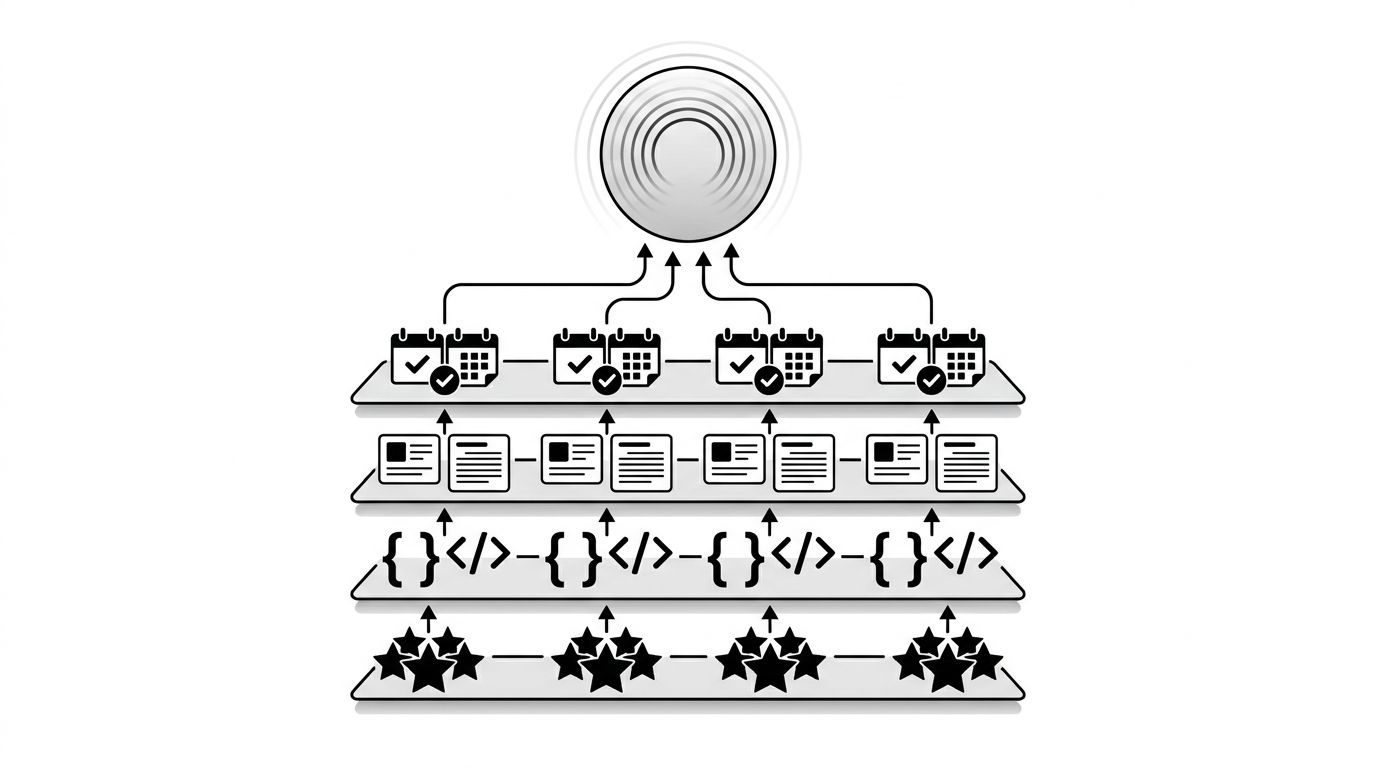
- Named, current reviews. TripAdvisor, Google, Booking, and property-specific review pages all feed AI. Quantity matters, but recency and sentiment trend matter more.
- Structured property data. LodgingBusiness, Hotel, TouristAttraction, and Event schema. Specific fields for amenities, check-in, price range.
- Local editorial coverage. City-specific publications and travel blogs that actually live in or regularly visit the destination. AI trusts local voice over generic listicles.
- Transaction data proxies. Booking availability, cancellation policies, and dynamic pricing all feed AI's sense of whether a recommendation is actionable.
Our local business AI visibility guide covers the local editorial layer in more detail.
Where Travel Brands Lose AI Visibility
Three common patterns consistently hurt travel visibility.
- Generic destination content. Hotel websites publishing "top 10 things to do in [city]" content that exists on a thousand other sites. Adds nothing. AI extracts from more original sources.
- Thin property pages. LodgingBusiness schema missing amenity details, no structured pricing, no review aggregation. Properties become invisible to AI travel assistants when the data isn't there.
- Weak review response rates. Brands that don't respond to reviews lose narrative control. AI will lift review sentiment directly into recommendations.
What to Prioritize
Ordered by impact.
- Complete LodgingBusiness or TouristAttraction schema on every property page. Include amenity, priceRange, starRating, aggregateRating, and openingHoursSpecification. See the structured data guide.
- Respond to reviews actively. Aim for 90%+ response rate on recent reviews across TripAdvisor, Google, and Booking. Response rate correlates with stronger AI recommendations.
- Publish local editorial with local bylines. Instead of generic city guides, write specific, dated content about local events, seasonal conditions, or neighborhood-level recommendations. These get cited in AI responses.
- Sync availability and pricing in real time. AI shopping assistants increasingly check booking availability. Properties that can't be booked in real time get deprioritized.
- Optimize for "best X for Y" queries. Travel queries cluster around compound intents: "best family hotel in Lisbon with pool," "romantic weekend getaways from Chicago." Category-level editorial content wins these.
The Destination vs Property Split
Travel brands need to decide where to invest. Destination-level content (best time to visit, city guides, itineraries) wins AI visibility on broad queries. Property-specific content wins narrow transactional queries.
Most hotels and tour operators should split effort: 40% destination editorial, 60% property-level data and schema. DMOs and tourism boards should weight heavily toward destination content. Our how AI shopping assistants rank products guide covers the broader ranking patterns for transactional AI queries.
What Voice Adds
Travel is one of the categories where voice queries matter most. "Hey Google, best restaurants near me" and "Alexa, what are the top things to do in Lisbon" are common. Voice answers favor sites with clean featured snippet-style answers. Our voice assistants guide covers the voice-specific optimization pattern.
For travel and hospitality brands running AI visibility at scale, our local-seo service covers the geographic layer, and our GEO optimization service covers the full audit across platforms. The local business case study shows how these patterns play out in practice.