Content Formats That Perform Best in AI Responses
Why does the same content perform differently on ChatGPT, Gemini, and Perplexity, and which format wins on which AI platform and buyer query?

Every GEO guide tells you the same thing: use structured headings, bullet points, and FAQ sections. That advice is correct, and it is also incomplete. The deeper question is not which format performs best in AI responses generally, but which format performs best on which AI platform, for which type of buyer query. The data shows these are three different questions with three different answers.
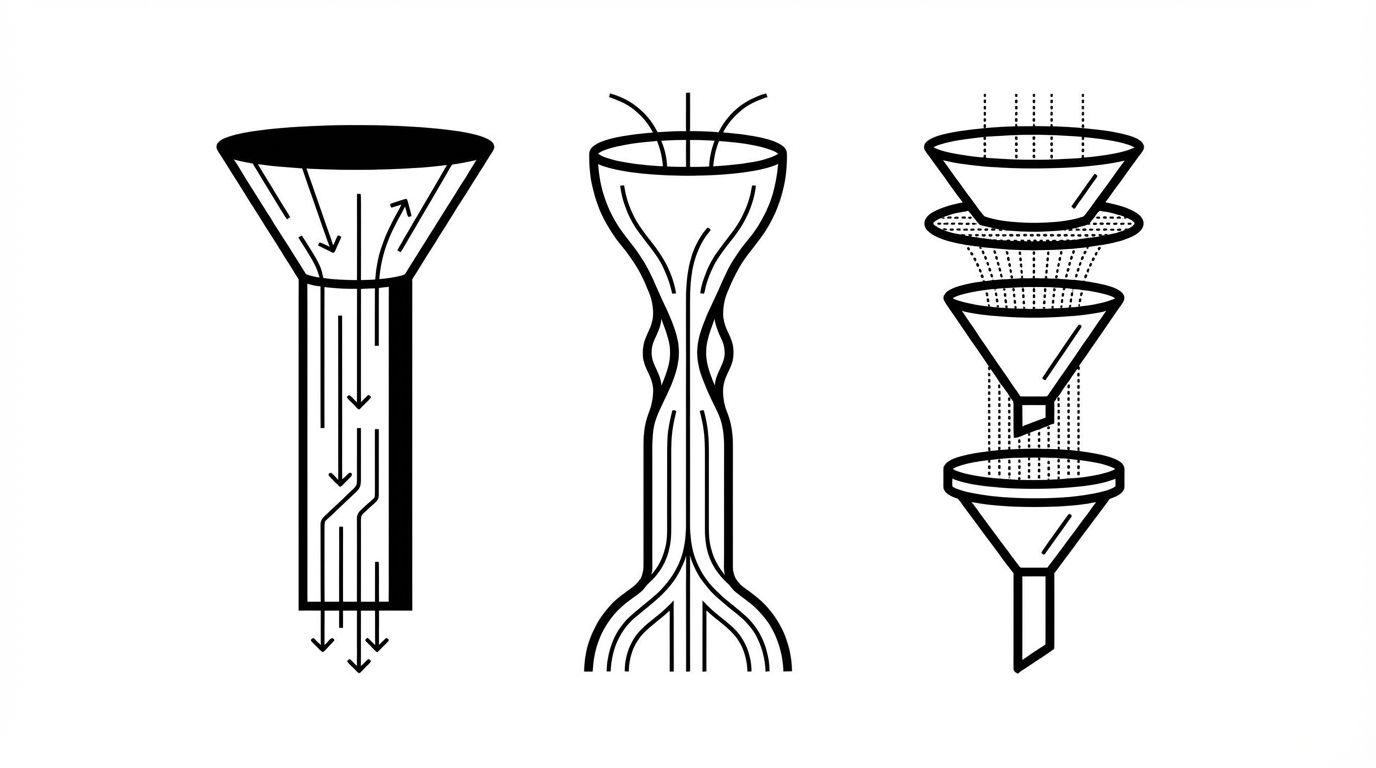
Each major AI platform has a distinct citation bias that maps directly to where buyers sit in their decision journey. ChatGPT disproportionately cites Wikipedia, LinkedIn posts, and academic or editorial content, the formats that dominate top-of-funnel awareness queries like "what is project management software." Gemini favors structured, brand-owned blog content: detailed guides and explainers that serve mid-funnel consideration queries where a buyer already knows the category and is evaluating approaches. Perplexity leans on comparison pages, review sites, and community discussions, the exact content types that drive bottom-of-funnel decision queries like "best CRM for a 50-person sales team."
This is not a minor nuance. A 2026 citation benchmark study found that only 11% of cited domains overlap between ChatGPT and Perplexity. A content strategy optimized for one platform is functionally invisible on the other. And because each platform's citation bias aligns with a different funnel stage, the format mismatch is also a funnel mismatch. A brand that publishes excellent educational guides will dominate ChatGPT awareness queries but may never appear in the Perplexity comparison queries where actual vendor shortlisting happens.
As the matrix below illustrates, each platform maps to a specific funnel stage, and the content format that earns citations on each one is different.
The practical implication is a three-format content strategy, each format deliberately matched to a platform and funnel stage.
For ChatGPT and top-of-funnel visibility, invest in authoritative educational content: definitions, frameworks, and category explainers that position your brand as the expert voice. Structure these with clear headings and direct answers in the opening paragraph. Include original statistics. ChatGPT heavily favors content that provides data it can reference as factual. These pages should answer "what is X" and "how does X work" with enough depth that an AI model treats them as primary sources.
For Gemini and mid-funnel consideration, build structured brand-owned guides that walk a buyer through evaluation criteria, implementation approaches, and use-case breakdowns. Gemini's citation patterns favor content that combines expertise with practical detail. Use comparison tables, feature breakdowns, and structured FAQ sections. These pages should answer "how do I evaluate X" and "what should I consider when choosing X."
For Perplexity and bottom-of-funnel decisions, the content format shifts entirely. Perplexity's citation engine pulls heavily from third-party sources: G2 reviews, Reddit threads, independent comparison articles, and community discussions. Your owned content matters less here than your distributed presence. The format that performs best is not a blog post. It is a review portfolio. Encourage customers to leave detailed reviews on platforms Perplexity indexes. Contribute to community discussions. Ensure your brand appears in independent roundup articles.
Across all platforms, some structural patterns consistently outperform. Lead paragraphs that directly answer a question in 40-60 words are cited more often than content that builds to a conclusion. Statistics improve citation rates when included every 150-200 words. Tables outperform bullet lists for comparison queries. And content published within the past 13 weeks earns citations at dramatically higher rates than older pages. Roughly half of all AI citations point to content less than three months old.
But format alone does not determine citation. The combination of format, platform targeting, and funnel-stage alignment is what separates brands that maintain consistent AI visibility from those that appear sporadically. A brand might produce outstanding educational content and wonder why it never shows up in purchase-stage AI recommendations. The content is not bad. It is on the wrong track for the queries that drive revenue.
Map your existing content library against this three-platform, three-stage framework. Most brands will discover they are heavily weighted toward one format and one funnel stage, with significant gaps in the others. Closing those gaps is not about publishing more content. It is about publishing the right format for the right platform at the right point in the buyer journey.
To see how your brand currently appears across AI platforms and identify your format gaps, run a free AI visibility audit.