Product Page Optimization for AI Recommendations
What does ChatGPT actually see on your product page, and which schema, review, and attribute signals turn it into an AI-recommended listing?

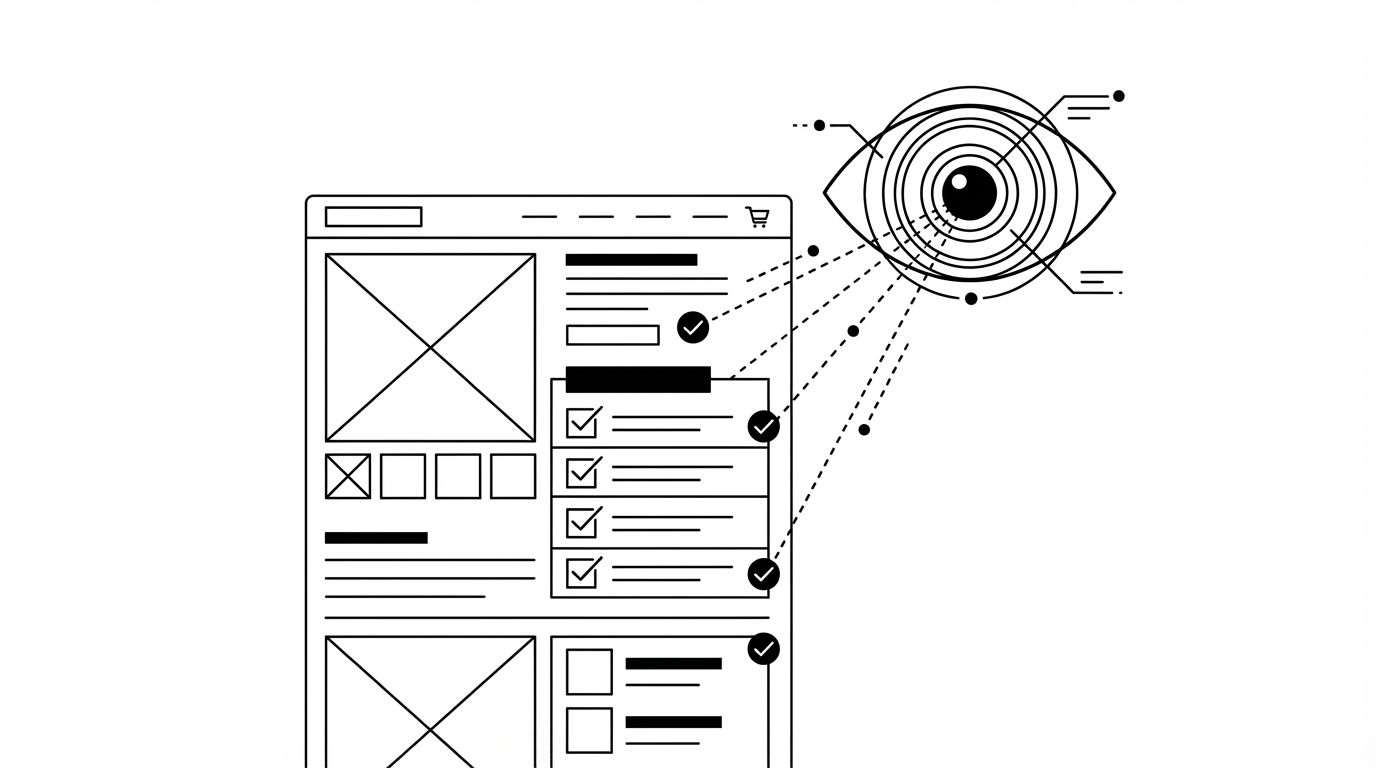
Your product page looks great to humans. It has compelling photography, persuasive copy, and a prominent buy button. But when ChatGPT evaluates it to decide whether to recommend your product, it sees something very different: a collection of signals that either confirm or disqualify your product as a credible recommendation. Schema markup, review data, structured product attributes, comparison-ready content. These are the signals that determine whether your product gets named in an AI shopping response or gets passed over.
The standard advice for product page optimization in 2026 is well-established: add Product, Offer, and AggregateRating schema markup, register with ChatGPT's merchant program and Google Merchant Center, write use-case-focused descriptions, and build review volume on third-party platforms. That advice is correct. But it treats product page optimization as a static, one-time task. Update your schema, polish your copy, submit your feed, done. The thing most brands miss is that AI recommendation patterns have a formation window, and brands that miss it face a compounding disadvantage that gets harder to overcome over time.
When AI shopping assistants expand into a new product category (say ChatGPT starts returning shopping cards for standing desks), there is an initial period of roughly six to twelve weeks where the AI's confidence about which products to recommend is at its lowest and the ranking is most fluid. During this window, the AI is actively forming its recommendation pattern based on the signals available: which products have complete structured data, which have the most review coverage, which appear in the most independent buying guides. Brands that establish dense citation coverage during this formation window get anchored into the pattern as high-confidence recommendations.
After the window closes, the pattern solidifies. The AI has established its default answer. New entrants or brands that optimized late now face a much steeper climb. They are not just competing on signal quality; they are competing against the AI's existing confidence in the incumbents. This is fundamentally different from traditional e-commerce SEO, where page-level changes take effect within days or weeks. In AI recommendation systems, the formation window creates a first-mover advantage that compounds.
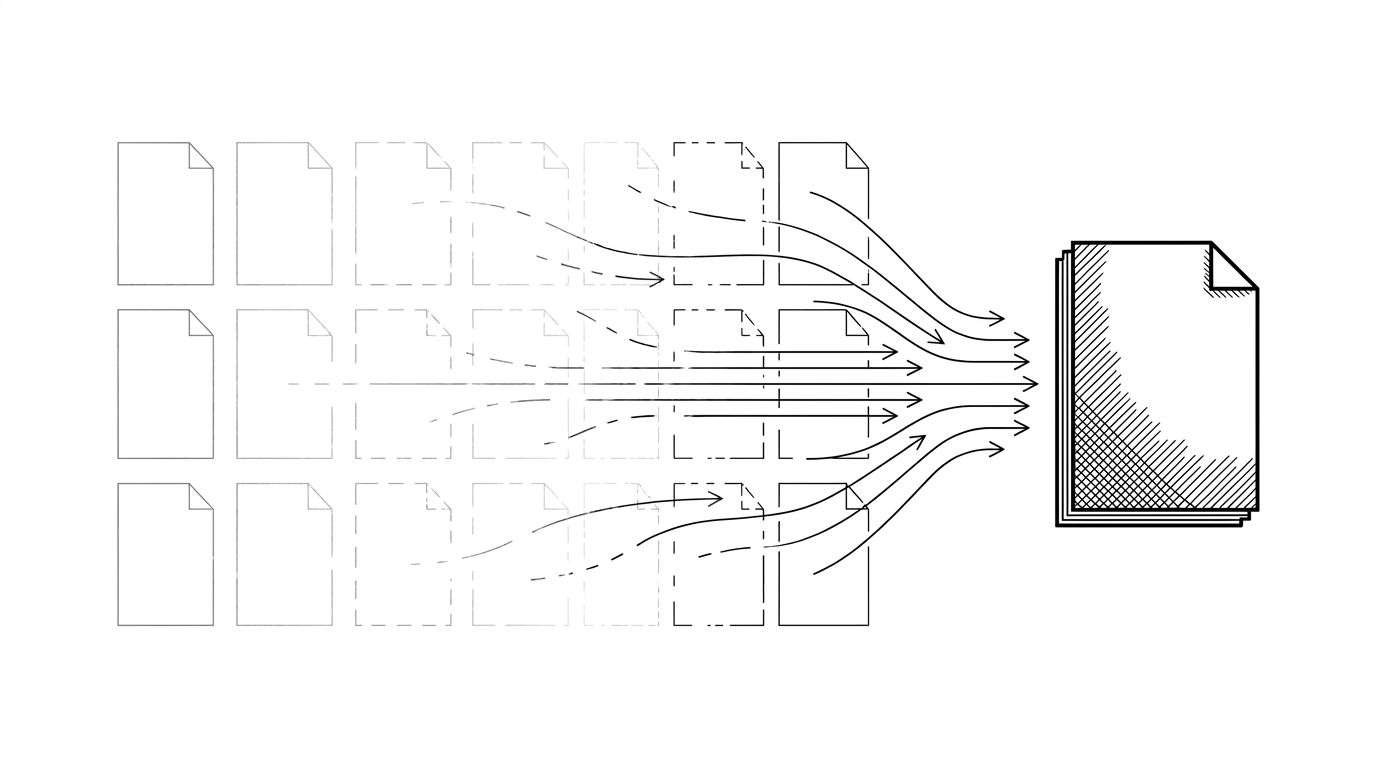
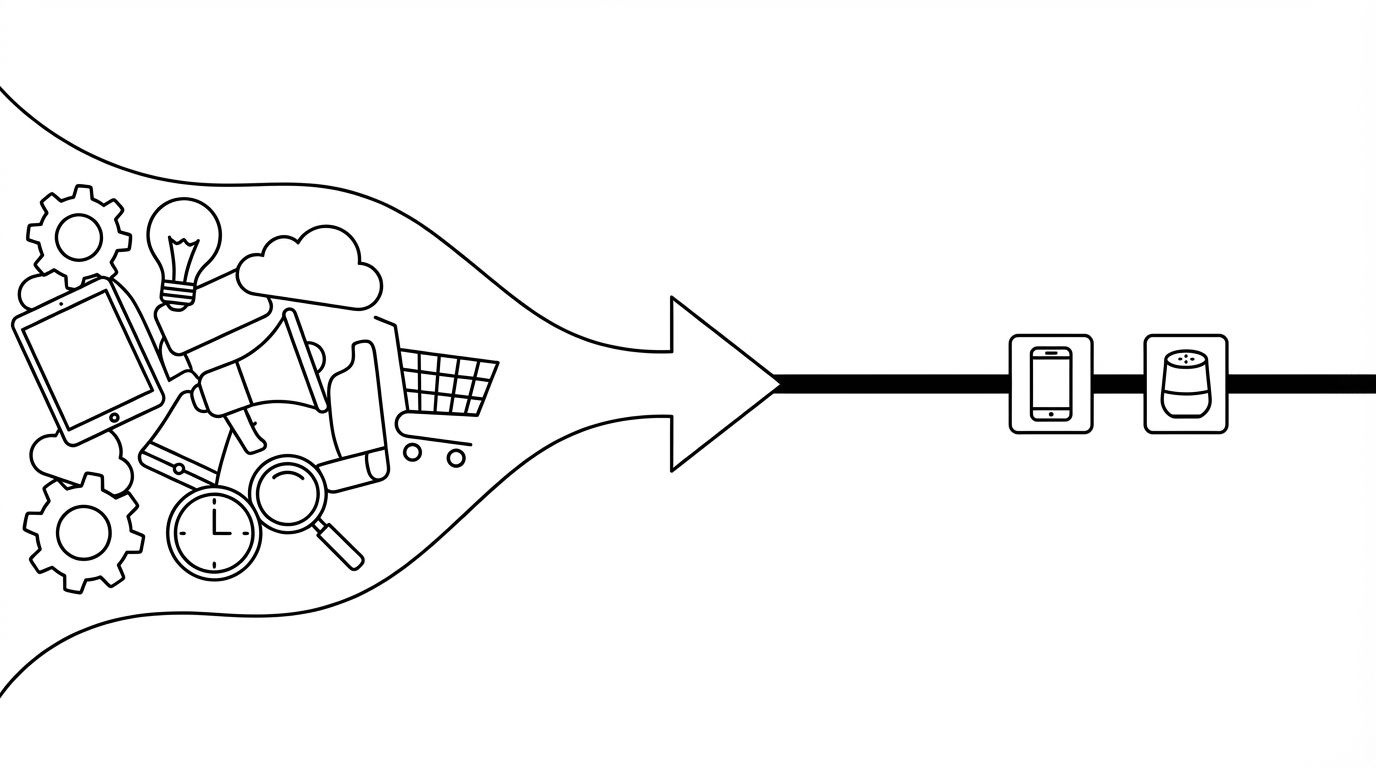
The timeline below shows how this plays out. Early in the window, multiple brands compete on roughly equal footing. As the window closes, the AI locks in its preferred recommendations and the pattern solidifies around incumbents.
Product page optimization for AI is a launch timing task, not a maintenance task. You need to treat the moment an AI platform starts covering your product category as a go-live event. That means monitoring when ChatGPT, Perplexity, and Google AI Overviews begin returning shopping-style responses for queries in your category. When you see it, that is your trigger to accelerate every optimization lever at once.
Structured data completeness comes first. Your product pages need full schema markup: Product type, Offer (price, availability, condition), AggregateRating (review count and average), Brand, and BreadcrumbList. AI models extract these structured attributes programmatically. A product with complete schema is materially easier for the AI to recommend than one it has to infer attributes from unstructured copy. Alhena found that ChatGPT could not render or read product details from JavaScript-heavy pages. Static, server-rendered pages with clean schema outperformed.
Review velocity is the second priority. AI shopping assistants heavily weight review signals. During the formation window, the products with the most reviews and the most recent reviews get anchored as defaults. This is not about gaming reviews. It is about accelerating review collection through post-purchase email campaigns, review incentive programs, and making it easy for satisfied customers to leave feedback on the platforms that AI indexes: Google Reviews, Trustpilot, Amazon, and Reddit.
Comparison-ready content is the third lever. AI models answer comparison queries ("X vs Y" and "best X for [use case]") by pulling from content structured for comparison. Your product page should include a clear comparison section or dedicated comparison pages that position your product against alternatives with specific, factual differentiators. Tables outperform prose for comparison queries. Feature matrices with checkmarks and specifications are more likely to be cited than narrative descriptions.
Third-party citation building runs parallel to everything above. The strongest signal for AI product recommendations is not what you say about your product. It is what others say. Independent buying guides, review roundups, and comparison articles that name your product are the highest-leverage assets. During the formation window, proactively reach out to publishers who cover your category, provide review units to independent reviewers, and make sure your brand is included in the comparison content that AI platforms are most likely to index.
The brands that understand the formation window dynamic treat AI shopping optimization as a campaign with a specific launch date. They monitor AI platform coverage of their category, have their optimization assets ready before the window opens, and concentrate their efforts during the period when the AI's recommendation pattern is still forming.
To identify which categories you are already being recommended for, and where you are missing, start with a free AI visibility audit.