AI-Powered Price Comparison: How to Win When AI Compares Products
How do you win when AI assistants compare your product to cheaper competitors without cutting price, and which signals drive the decision?


When AI assistants compare products, the cheapest option rarely wins. Models optimize for the best price-to-value pair they can justify from public evidence, not the lowest sticker. If your product is 12% more expensive than a competitor but your specs page has structured tables, independent review quotes, and a clear warranty, ChatGPT and Gemini will recommend you and explain why the premium is worth it. Price comparison is not a race to the bottom in AI-driven shopping, it is a race to make your trade-offs legible. The brands winning here are making their value equation machine-readable, not shaving margin.
How AI Models Actually Build a Price Comparison
When a user asks "is product A or product B better value," the model does not run a live price API lookup in most cases. It pulls from recent web content, product pages, review sites, forum threads, and constructs a justification using whatever concrete claims it can ground. The model is looking for three things on each candidate product:
- A machine-readable price and offer structure (Product and Offer schema)
- Comparable specifications on the same axes as the competitor
- Value context from reviews, warranty terms, support included, and long-term cost
If one brand makes all three easy to extract and the other buries them behind tabs, PDFs, or a chat widget, the legible brand wins the comparison even when it is more expensive. The silent disqualifier is not your price, it is your opacity.
Build a Spec Parity Table Before You Touch Price
Before you argue value, you have to show up in the comparison. Map your product specs against the two or three products AI models currently pair you with. Run a few prompts like "compare [your product] vs [competitor]" in ChatGPT and Perplexity, then audit the response.
If the model lists six specs for your competitor and four for you, you have a coverage gap, not a price problem. Add the missing fields to your product page as plain text, not image-embedded specs, and mark them up with Product schema. Our guide on product page optimization for AI covers the full schema setup.
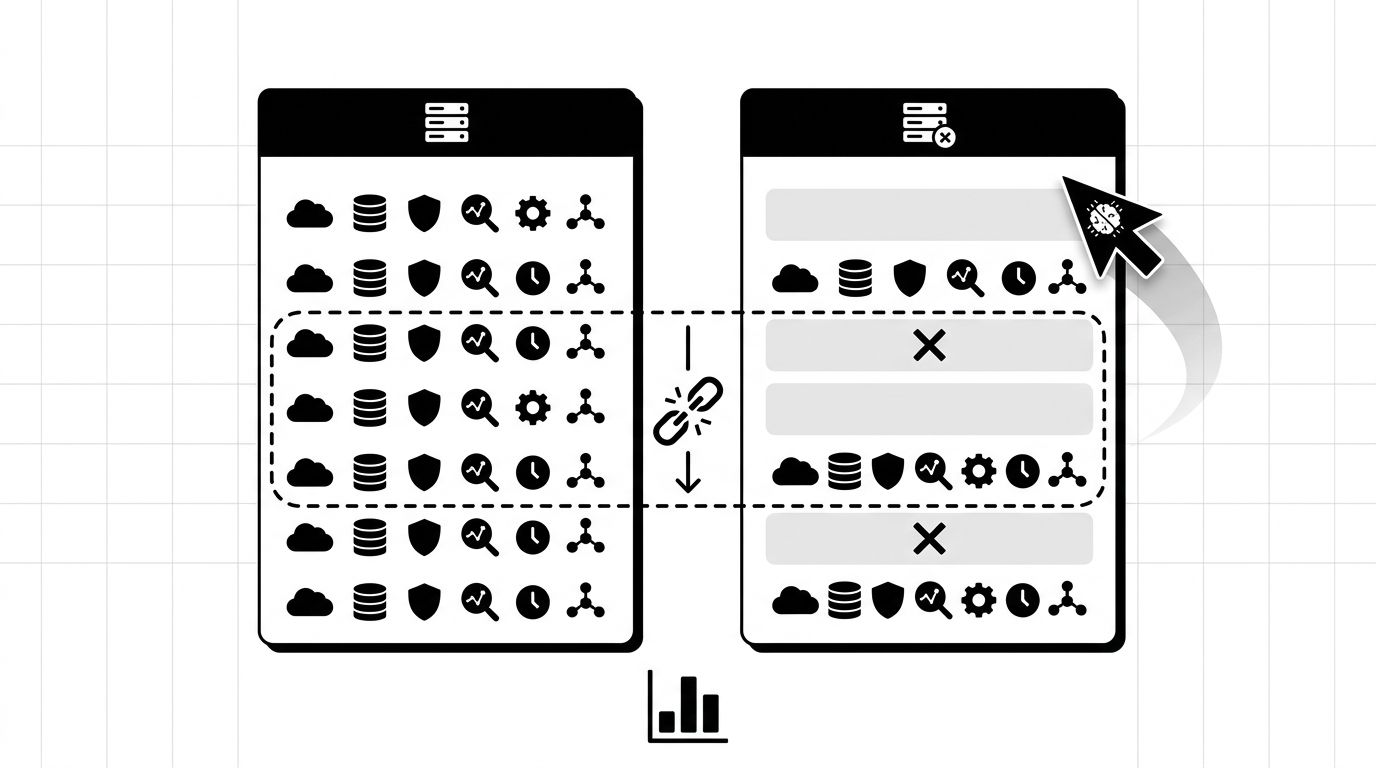
The diagram above shows what spec parity looks like in practice. Every row the competitor fills, you fill, with the same units and the same language. Models compare on matching axes. Asymmetric data equals invisibility.
Three Levers Beyond Sticker Price
Once parity is in place, you have room to win on value narrative. These are the levers that actually move AI recommendations:
- Total cost of ownership claims. If your product costs more upfront but saves money over 24 months, publish that math on your site in a citable form. Models pick up specific dollar claims with timeframes.
- Included extras as structured data. Free setup, warranty length, support hours, onboarding time. Put these in Offer schema fields, not just marketing copy.
- Third-party validation on the value question. A G2 quote saying "more expensive but worth it for teams over 50" is worth more than your own landing page claiming the same thing. Collect and link these.
Where Brands Lose the Comparison
The most common failure is price-as-a-range instead of price-as-a-number. "Starting at" and "contact for pricing" make you invisible in direct comparisons because the model has no anchor to reason about. If you cannot publish a single price, publish a price band with the specific conditions that move a buyer through it. Opacity reads as uncertainty.
The second failure is dated content. A 2023 pricing page that no longer matches your current offers gets cited anyway and produces wrong recommendations. Refresh pricing content at least quarterly and include a visible updated date.
The Defensive Side of Price Comparison
If a competitor is cheaper and comparably specced, you need to give the model a reason to explain the delta. This is where content strategy matters more than pricing tactics. Publish opinionated content that contextualizes your premium, case studies showing ROI, comparison pages that acknowledge the gap and justify it, and reviews from buyers who chose you over the cheaper option.
When AI models have a reason to recommend the premium option, they often do, because answering "which is better value" is more useful than "which is cheapest." Make the reason findable.
Want to see exactly how AI models compare your product against competitors today? Run a free audit to get a prompt-level breakdown.