D2C Brands and AI Visibility: Competing Without a Marketplace
How can D2C brands outrank Amazon listings in AI shopping responses without relying on the marketplace for visibility, volume, or reviews?


The advantage direct-to-consumer brands have always claimed, owning the customer relationship, is now the exact advantage that matters most for AI visibility. Amazon sellers compete in a catalog where every product page looks the same and AI models often summarize the marketplace instead of individual brands. D2C brands control their own content architecture, publish their own expert voice, and build topical authority on their own domain. That is the terrain AI models actually index. If you are a D2C brand worried about Amazon dominating AI shopping responses, the answer is not to list on Amazon. It is to make your owned site so content-dense and answer-ready that models pull from you instead of the marketplace.
Why D2C Has a Structural Edge in AI Shopping
AI models recommend products based on ingested content, schema signals, and third-party validation. Marketplace listings carry thin content by design, the seller gets a title, a bullet list, and a short description. That is enough for traditional SEO. It is not enough for an AI model building a multi-paragraph recommendation that explains why one product fits a specific use case better than another.
D2C sites have room to publish:
- Use-case landing pages that map product to buyer problem
- Founder and expert-written content that establishes authority
- Owned review and UGC content with full context and responses
- Long-form comparison pages that show the model where you fit
A well-built D2C site gives an AI model ten citable passages for every one a marketplace listing offers.
The Four Content Assets D2C Brands Need
If you are starting from a thin site, build these four asset types before anything else. They map directly to the questions AI models are asked during shopping sessions.
- Category authority hub. One long-form page per category that covers the problem, buyer considerations, and where your products fit. This is where you establish expertise, not sell. Our pillar-cluster architecture guide shows the linking structure to use.
- Product comparison pages. For each flagship SKU, publish a page comparing it to the two or three alternatives buyers weigh. Name competitors, use real specs, and take a position.
- Use-case pages. "Best [product] for [specific buyer type]." These match the long-tail prompts that dominate AI shopping queries.
- Ingredient, material, or sourcing pages. Transparency pages are disproportionately cited by AI models because they contain specific, factual claims that are easy to ground.
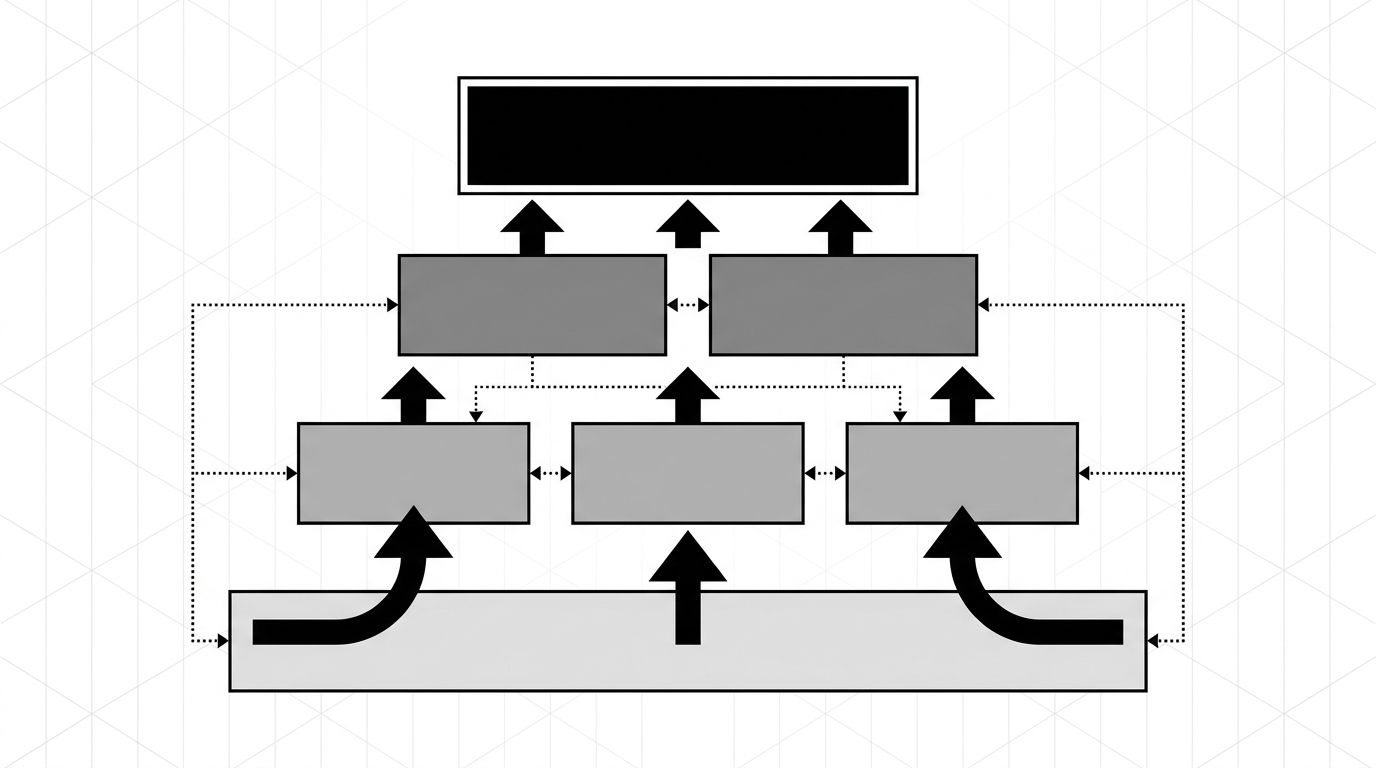
The stack above is deliberate. Each layer feeds the one above. Use-case pages link up to product pages, product pages link up to category hubs, and every page cross-links laterally. AI models follow these paths when building recommendations.
What To Do About Amazon
D2C brands often ask whether they should list on Amazon purely for AI visibility. Usually no, and here is why. AI shopping assistants already know Amazon exists. They will mention it for price-sensitive prompts whether you are there or not. What you want is to be the brand models cite when users ask more specific questions, the ones marketplaces cannot answer well.
That means the opposite of Amazon strategy, fewer SKUs with deeper content rather than more SKUs with thin content. If you have 40 products, pick the 10 that drive 80% of revenue and build out full content architecture for those first. Spread too thin and no individual product accumulates enough signal to show up. Our work with e-commerce brands shows the same pattern repeatedly.
The One Thing D2C Brands Underinvest In
Founder and expert content. The reason D2C brands like Glossier, Warby Parker, and Allbirds dominate their category mentions in AI is not paid media. It is a decade of founder interviews, press coverage, and expert-authored content that gave models a rich brand story to draw from. If your founder is not publishing on your site or in industry outlets, you are missing the single highest-impact signal in D2C GEO.
Measurement and Next Steps
Baseline your current AI visibility before you build. Run 20 shopping prompts in your category across ChatGPT, Perplexity, and Gemini. Note when your brand, competitors, or marketplaces get mentioned. Track the same prompts every 60 days.
D2C brands that build the four asset types above usually see mentions triple within six months. That is faster than paid-media equivalents and it compounds. Our content strategy service maps the build order to revenue impact.