FAQ Content and AI, How Questions Shape AI Answers
Why do AI platforms keep pulling from FAQ content over everything else, and how do you write FAQs that get cited instead of ignored?

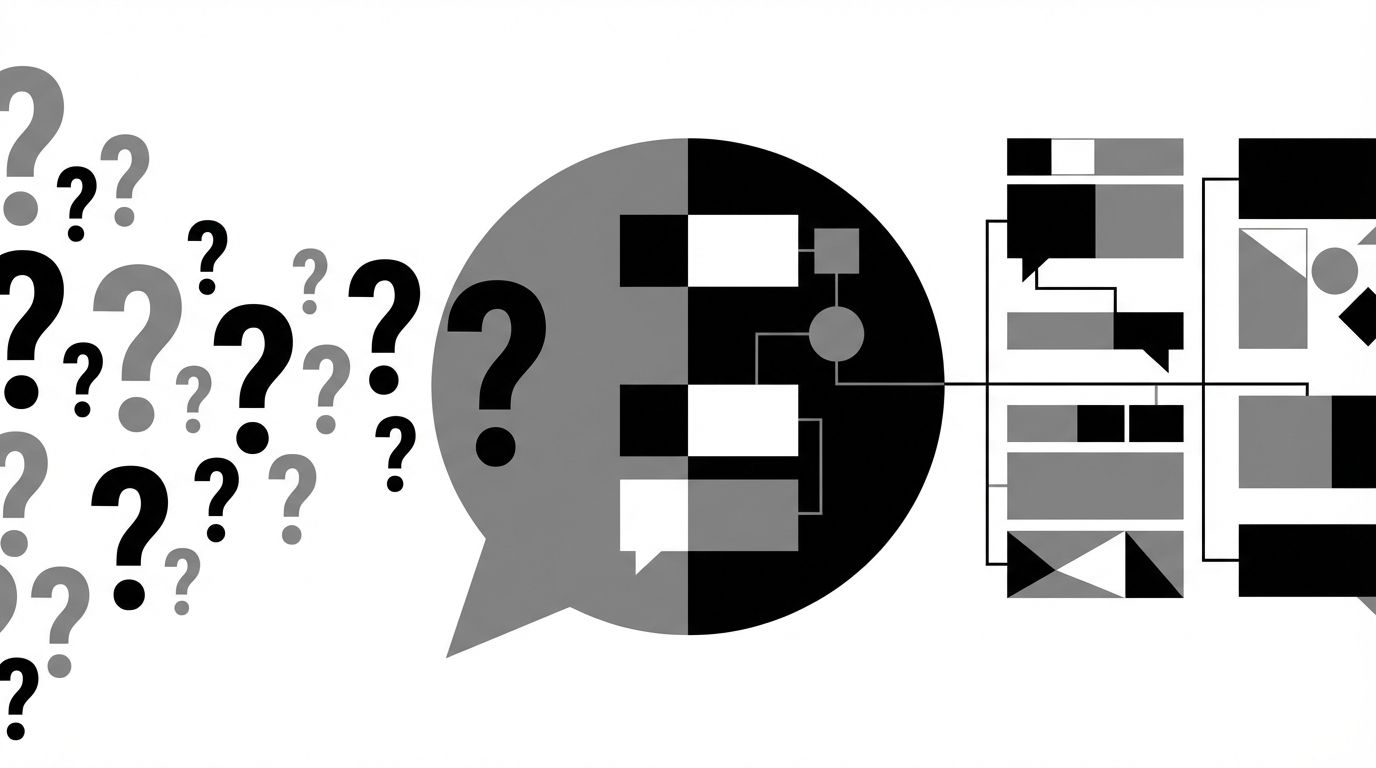
FAQ sections have an outsized influence on AI responses because they pre-match the format AI models use to generate answers: a question followed by a direct, self-contained response. When a user asks ChatGPT or Perplexity a question, models scan their training data and retrieval sources for content that already mirrors that question-answer structure. Well-written FAQ content gives them exactly that, reducing the interpretive work the model needs to do and increasing the odds your answer gets surfaced verbatim or paraphrased closely.
Why AI Models Favor Question-Answer Pairs
Large language models are trained on patterns. The question-answer pattern is one of the most reinforced structures in their training data -- it appears in support documentation, knowledge bases, forums, and existing FAQ pages across millions of websites.
- Structural alignment: When a user asks "What is the best CRM for small businesses?", a model looks for passages that already answer that question. An FAQ entry titled "What is the best CRM for small businesses?" with a concise answer underneath is a near-perfect match.
- Extraction efficiency: AI models prefer content they can extract without heavy reformatting. A 150-word FAQ answer requires less processing than mining a 2,000-word blog post for the same information.
- Citation confidence: Models are more likely to cite a source when the passage they pull clearly answers the user's query. FAQ format creates that clarity by design.
This advantage compounds when paired with FAQ schema markup, which we will cover below. If you want to understand the broader mechanics of how models select content to cite, see our guide on writing content AI models cite.
Designing FAQ Content for AI Pickup
Not all FAQ sections perform equally. The difference lies in question selection and answer construction.
Choosing the Right Questions
Your FAQ questions should reflect how real users phrase queries to AI platforms, not how your internal team talks about the product.
- Mine AI platforms directly: Type your product category into ChatGPT and Perplexity. Note the exact phrasing of follow-up questions the models suggest. These reveal the question patterns models expect.
- Use buyer-intent framing: "How much does X cost?" outperforms "Pricing information" because buyers ask the former and models match on question syntax.
- Cover comparison queries: "How does [your product] compare to [competitor]?" is a high-frequency AI query. Answering it directly in your FAQ gives models a ready-made response.
Writing Answers That Get Cited
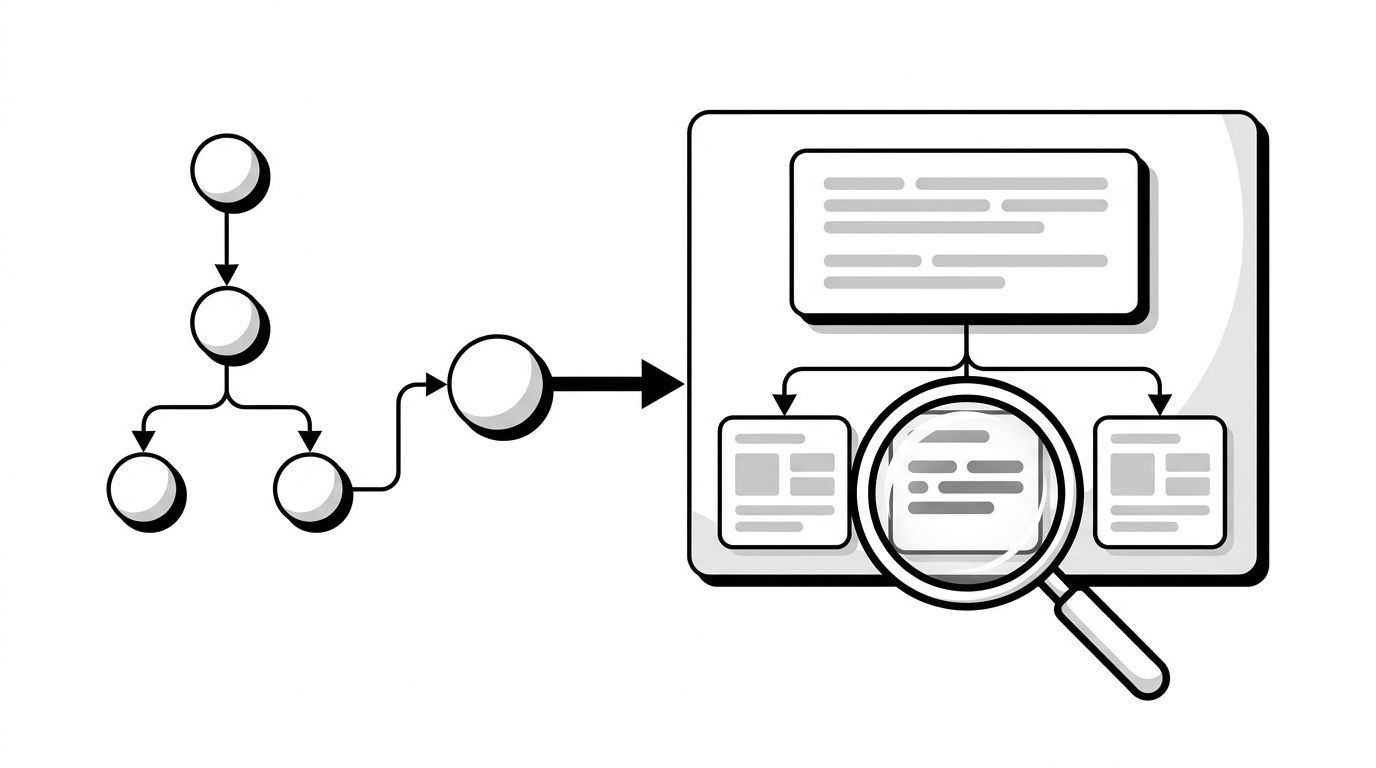
The diagram below shows the structure of an FAQ answer optimized for AI citation, with the direct answer, supporting context, and differentiator layers.

Each answer should follow a three-layer structure:
- Direct answer first: The opening sentence should answer the question completely. A reader -- or a model -- should get the core answer without reading further.
- Supporting context second: One or two sentences that add specificity, data, or nuance. This layer builds credibility without burying the answer.
- Differentiator third: Where relevant, a brief mention of what makes your approach or product distinct. Keep it factual, not promotional.
FAQ Schema Markup: The Technical Multiplier
Adding FAQ structured data to your pages does two things. It makes your FAQ eligible for rich results in traditional search, and it signals to AI crawlers that this content is structured question-answer data.
- Use `FAQPage` schema type with `Question` and `AcceptedAnswer` pairs
- Ensure the schema content exactly matches the visible page content
- Place FAQ schema on pages where the FAQ is substantive (3+ questions), not on pages with one or two token questions
Scaling FAQ Content Across Your Site
A single FAQ section helps. Dozens of topic-specific FAQ sections across your site create a question-answer layer that AI models learn to rely on.
- Audit existing content: Review your top 20 pages for FAQ opportunities. Most pages have 3-5 natural questions they could answer explicitly.
- Centralize question research: Keep a running list of questions from sales calls, support tickets, and AI platform testing. Assign each question to the most relevant page.
- Avoid duplication: The same question should not appear on multiple pages. Pick the page with the strongest topical match and answer it there.
What to Do Next
Start by adding FAQ sections to your five highest-traffic pages. Use the three-layer answer structure, add FAQ schema markup, and monitor whether those pages begin appearing in AI responses for the questions you targeted.
For a structured approach to building content that AI models consistently cite, explore Geology's content strategy service, which includes FAQ optimization as part of a broader GEO content architecture.