How to Write Content That AI Models Actually Cite
Why does your content get cited by ChatGPT on Tuesday and vanish by Friday, and what does it take to stay in AI answers month after month?

Most brands approach AI visibility as a one-shot game: publish something authoritative, get cited, move on. But AirOps data shows that roughly 70% of brands that earn an AI citation lose it within subsequent query runs. Your content appears in a ChatGPT answer on Tuesday and vanishes by Friday. Getting cited once is the easy part. Staying cited is the actual problem.
The answer sits in a structural distinction that almost no GEO guide makes: citations and brand mentions are different signals, and durable AI visibility requires both working together. A citation is when an AI model links to your page as a source. A brand mention is when the AI names your company in its answer. Brands that earn both in the same response are 40% more likely to resurface across repeated queries than citation-only brands. That gap is the foundation of a content architecture strategy most teams are missing.
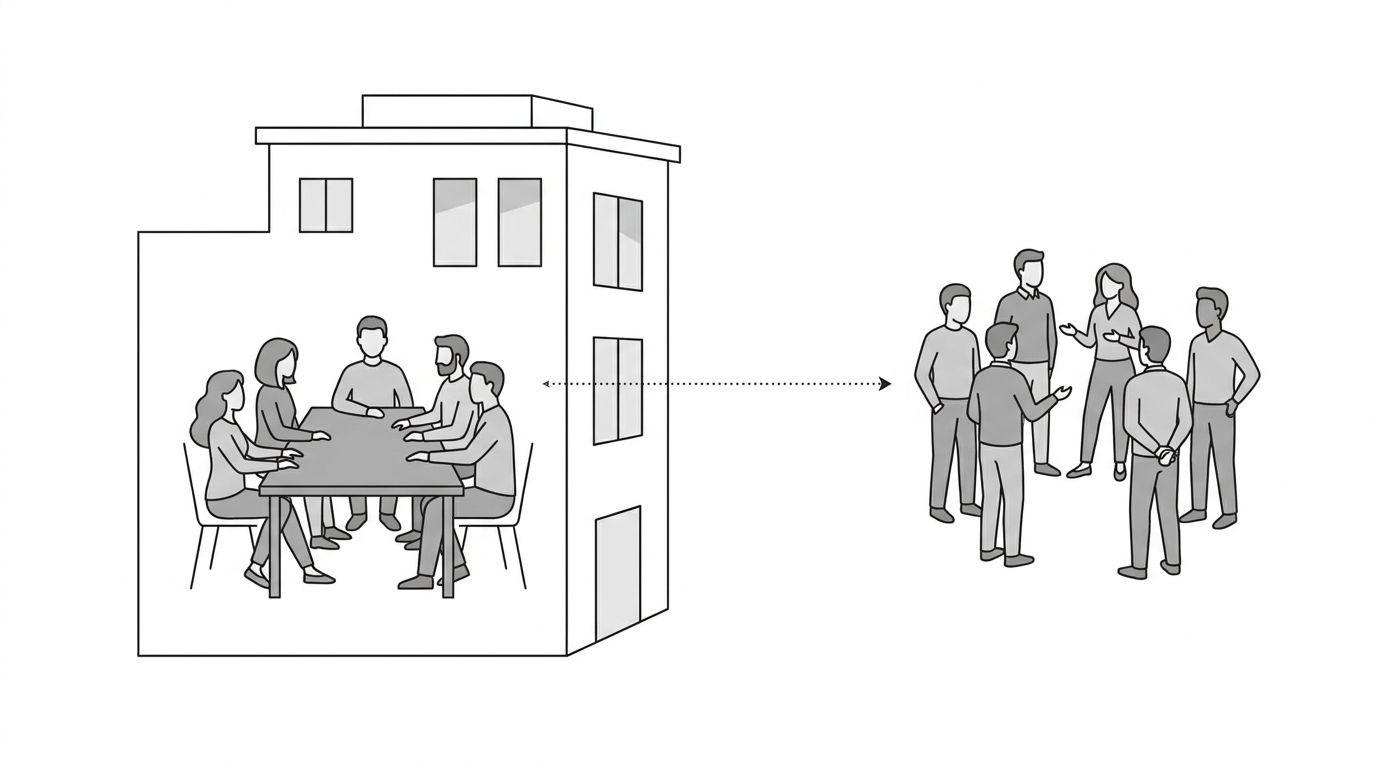
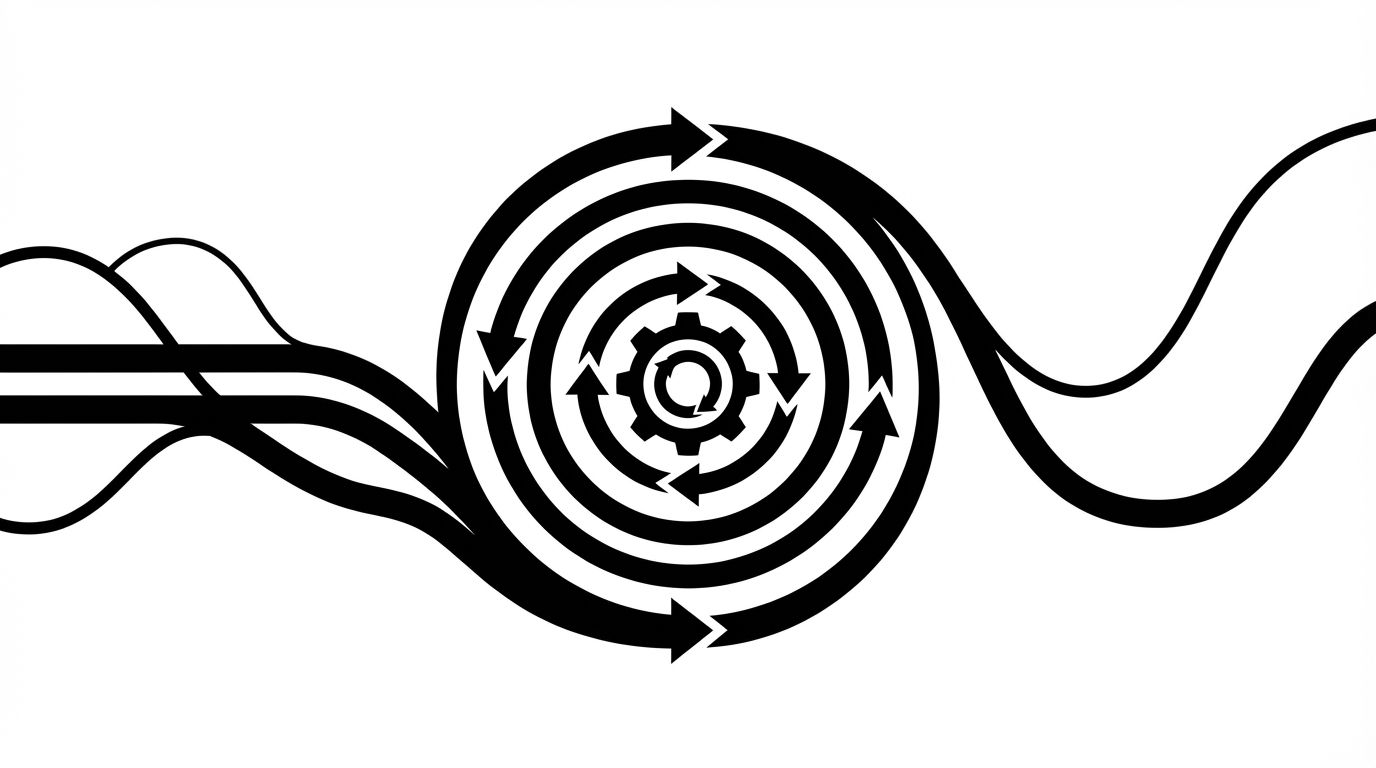
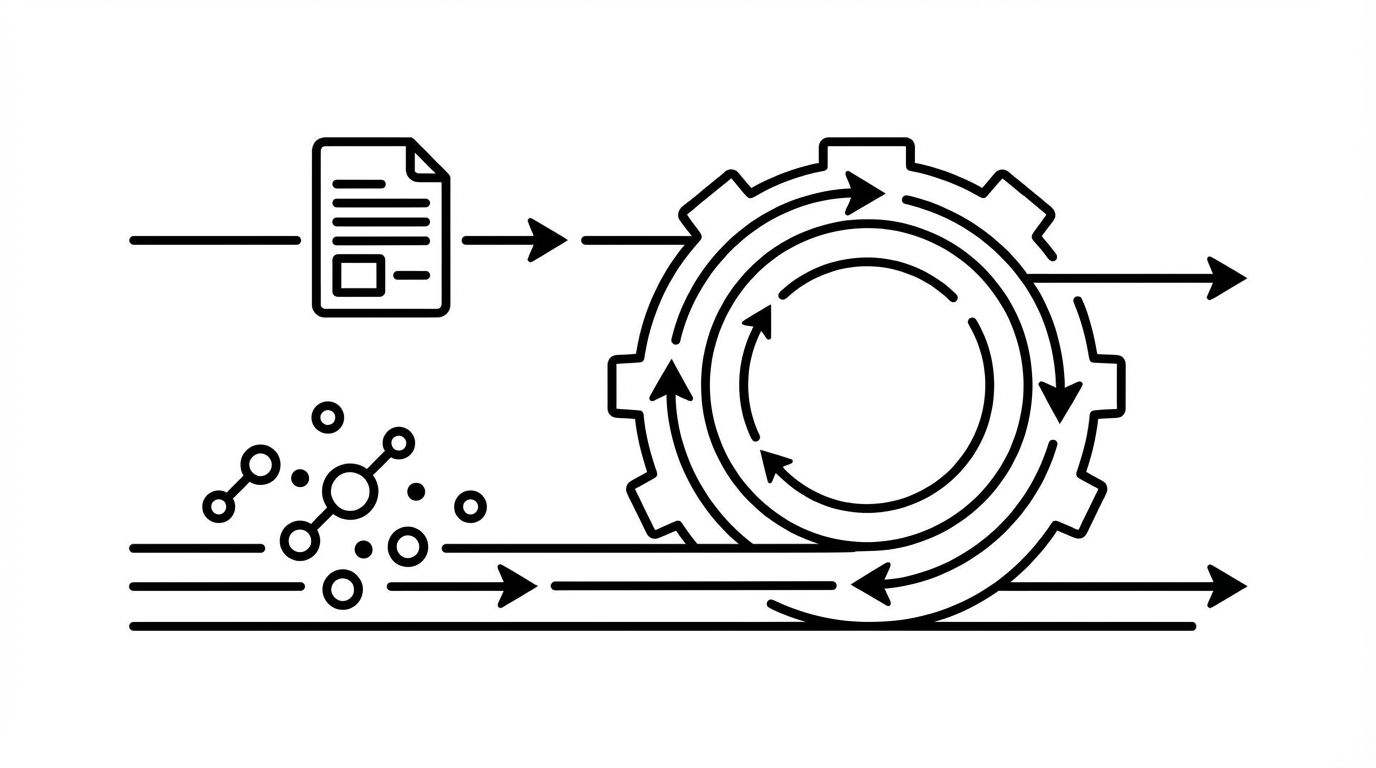
Think of it as a co-citation flywheel. You need two parallel content tracks running at the same time. The first is your owned citation assets: the blog posts, documentation, comparison pages, and guides on your domain that AI models can point to as sources. The second is your distributed mention assets: contributed articles, analyst references, Reddit threads, customer reviews, and community discussions where your brand name appears on third-party sites. When both tracks are active, AI models encounter your brand name in multiple independent contexts and your domain as a credible source. That redundancy is what makes your citations stick.
Most content teams only work the first track. They publish a strong blog post, optimize it with structured data and statistics, and wait for AI to find it. That works for the initial citation. But when the AI refreshes its retrieval sources (which happens continuously on Perplexity and Google AI Overviews), a single owned page competes against every other source on the topic. Without reinforcing mentions from third-party contexts, your page drifts out of the citation pool. Stacker found that content supported by distributed mentions across multiple domains retained AI citations twice as long as isolated pages.
The diagram below shows how these two tracks work together. Owned citation assets and distributed mention assets feed into each other, creating a self-reinforcing cycle that keeps your brand in the AI's citation pool.
For owned citation assets, structure your content to answer specific questions directly. Lead with a clear, definitive statement in the first 40-60 words. Include original data or a proprietary framework that cannot be found elsewhere. AI models prefer primary sources over aggregated summaries. Add statistics every 150-200 words and cite where they come from. Keep the content fresh: pages updated within the past 13 weeks earn citations at roughly 3.8x the rate of stale pages, according to SalesPeak's analysis of AI citation patterns.
For distributed mention assets, the work happens off your domain. Contribute expert perspectives to industry publications. Respond to journalist queries through HARO or Qwoted. Seed your brand into relevant Reddit and community discussions with helpful contributions, not marketing copy. Pursue analyst coverage and independent reviews. The goal is to make sure that when an AI model encounters a query related to your category, it finds your brand name across multiple independent, credible sources, not just on your own website.
Timing matters more than most teams realize. Citation freshness data shows that roughly half of all AI citations point to content published within the past 13 weeks. Your content has a window of peak citation eligibility, and the reinforcement from distributed mentions needs to happen within that same window. A blog post published in January that only gets third-party coverage in April has already lost its citation momentum. Coordinate your publishing calendar with your outreach and community engagement so both tracks are active at once.
One pattern that works well for B2B brands: publish a piece of original research on your domain, then break the key findings into contributed articles and social posts that reference and link back to the original. The original earns the citation. The distributed pieces earn the mentions. The AI sees both and treats your brand as a high-confidence answer.
The brands that understand this distinction are the ones that maintain consistent AI visibility over time. Everyone else is stuck in the cycle of appearing and disappearing, wondering why their well-written content keeps losing its spot. Better writing is not the fix. Better architecture is.
Start by auditing where your brand currently appears across AI responses with a free AI visibility audit. Then map your existing content against both tracks to identify where the gaps are. Most brands will find they have plenty of owned assets but almost no distributed mention strategy, and that imbalance is why their citations do not last.