AI Visibility and Market Share, The Correlation Brands Can't Ignore
Why do brands mentioned in AI responses hold 2–3x the market share of ones that aren't, and how do you prove the link between AI visibility and revenue?

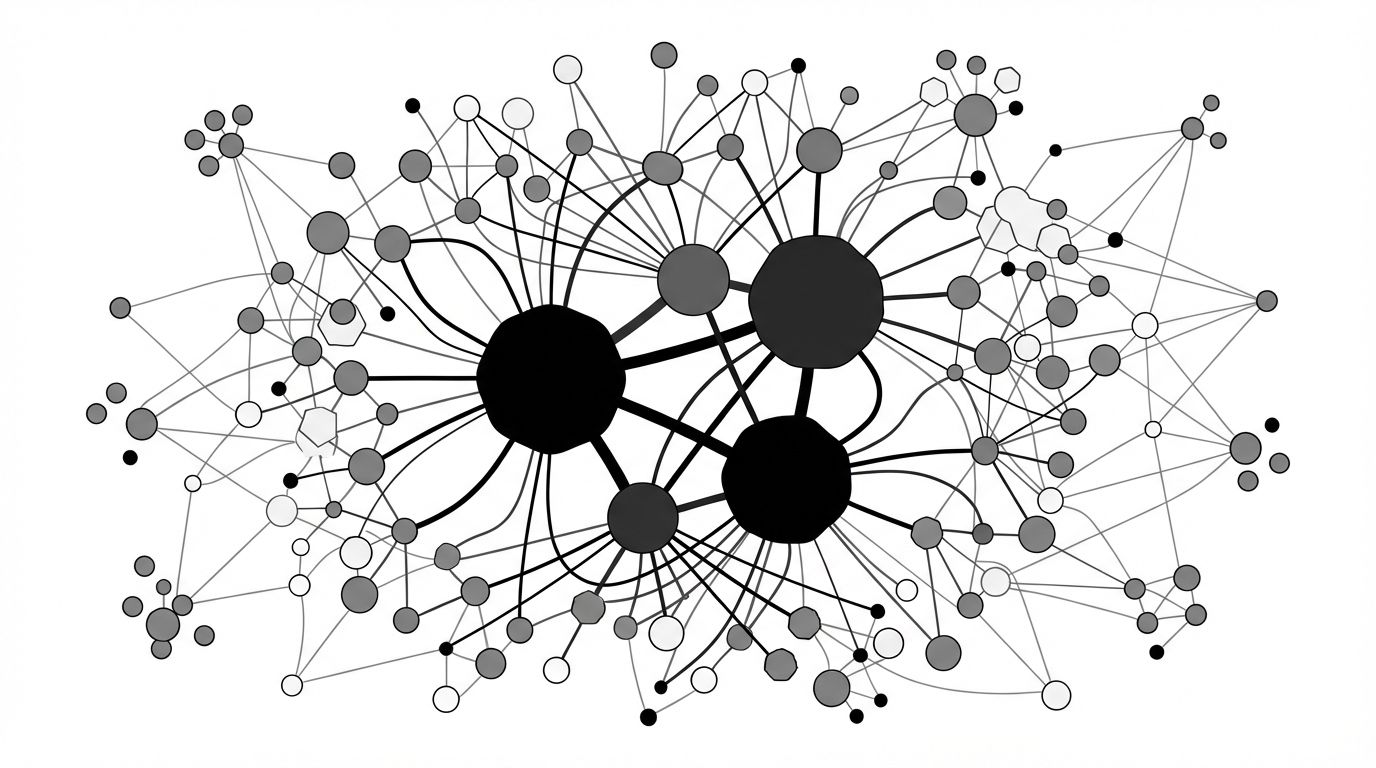
Brands that appear in AI recommendations for their category hold, on average, 2–3x the market share of competitors that do not. This is not coincidence. AI platforms are rapidly becoming the primary research channel for purchase decisions, and the brands these models recommend capture disproportionate attention, trust, and revenue. The correlation between AI visibility and market share is becoming the single most important metric that executive teams are not yet tracking.
Why AI Visibility Drives Market Share
Traditional search spreads attention across ten blue links. AI platforms concentrate it. When a user asks ChatGPT or Perplexity to recommend a project management tool, the model names three or four brands, not fifty. That compression means the brands included in the response capture nearly all the consideration, while excluded brands get nothing.
- Zero-sum visibility. In a typical AI response, 3–5 brands share 100% of the recommendation. There is no page two, no scrolling, no ads to buy your way in.
- Trust transfer. Users treat AI recommendations with the same trust they place in expert advice. A brand mentioned by ChatGPT carries more implicit authority than a brand appearing in a search ad.
- Repeat reinforcement. AI models tend to recommend the same brands consistently across similar queries. Once your brand enters the recommendation set, it compounds, each mention reinforces the model's association.
This creates a flywheel: AI visibility drives awareness, awareness drives traffic and conversions, conversions generate more data and citations, and that data reinforces the model's preference. Brands that enter this cycle early gain advantages that are structurally difficult for competitors to overcome.
The Data Behind the Correlation
Measuring the link between AI mentions and market performance requires tracking both variables across time. Here is what the available data shows:
- Category leaders get mentioned more. Across SaaS, ecommerce, and financial services, brands in the top 3 by market share appear in 60–80% of relevant AI queries. Brands outside the top 10 appear in fewer than 5%.
- Mentions precede share shifts. In categories where a challenger brand began appearing in AI recommendations, that brand's search volume increased 15–40% within 90 days, a leading indicator of market share movement.
- AI visibility gaps mirror revenue gaps. Brands with strong AI presence report 20–35% higher organic traffic from discovery queries compared to competitors with similar traditional SEO performance.
The chart below maps how AI mention frequency correlates with relative market share across several B2B categories.
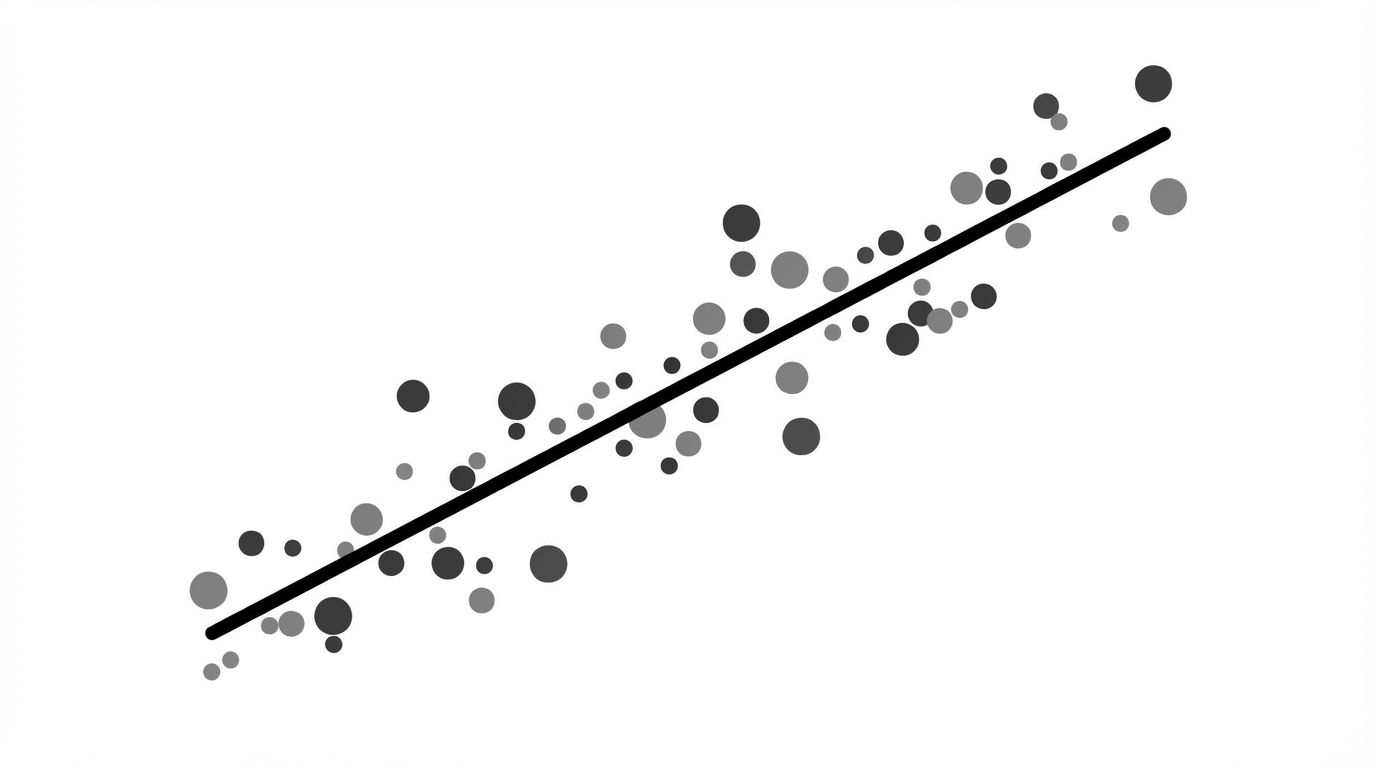
These numbers matter because they reveal a structural shift. Market share was historically driven by distribution, advertising spend, and brand awareness campaigns. AI visibility is becoming an independent force, one that can accelerate or undermine those traditional investments.
Which Industries Are Most Affected
The correlation between AI visibility and market share is strongest in categories with high research intent and complex purchase decisions.
- B2B SaaS. Buyers routinely ask AI platforms to compare tools, explain features, and recommend solutions. Being excluded from these responses means losing pipeline before your sales team ever gets a chance. SaaS companies with strong AI visibility report shorter sales cycles.
- Ecommerce. AI shopping assistants are reshaping product discovery. Brands recommended by AI capture first-mover advantage in the consideration set, often before the buyer visits a single website.
- Enterprise software. Procurement teams use AI for vendor shortlisting. Enterprise brands absent from AI responses do not make the initial evaluation list.
- Financial services and insurance. Consumers increasingly ask AI platforms to explain and compare products. The brands named in those explanations capture the majority of downstream applications.
Industries with commoditized products or low switching costs are less affected, but even there, AI visibility is becoming a differentiator as more consumers default to AI-first research.
How to Measure Your AI Market Share
Traditional market share metrics do not capture AI visibility. You need a parallel measurement framework built around AI visibility metrics:
- Share of AI voice. What percentage of relevant AI queries mention your brand versus competitors? This is the AI equivalent of share of voice.
- Mention consistency. How often does your brand appear when the same query is asked across ChatGPT, Gemini, Perplexity, and Copilot? Inconsistent visibility signals weak brand authority.
- Sentiment alignment. Are AI platforms describing your brand accurately and positively? Negative or incorrect mentions can erode market share faster than no mentions at all.
- Competitive displacement. Track when competitors appear in responses where your brand previously held position. This is the AI equivalent of losing keyword rankings.
A competitive benchmarking analysis across AI platforms gives you the baseline. From there, you can correlate AI visibility changes with traditional market metrics, traffic, pipeline, and revenue, to quantify the relationship for your specific category.
Closing the Visibility Gap
If your competitors are visible in AI responses and you are not, the market share gap will widen before traditional metrics catch up. The corrective steps are specific and sequential:
- Audit your current AI presence. Run a free visibility audit to see exactly where and how AI platforms mention your brand today.
- Fix foundational gaps. Structured data, authoritative content, and consistent brand information across the web are the inputs AI models use to decide who to recommend. GEO optimization addresses these systematically.
- Monitor and adjust. AI visibility is not a one-time fix. Models update, competitors adapt, and query patterns shift. Ongoing monitoring turns a snapshot into a strategy.
The brands that treat AI visibility as a core growth metric, not a curiosity, will hold the market share advantage for the next decade. The ones that wait will spend years trying to catch up.