Topic Authority: Why AI Models Trust Some Brands Over Others
Why do AI models consistently trust certain brands over others, and what kind of topic authority earns a permanent seat in AI recommendations?

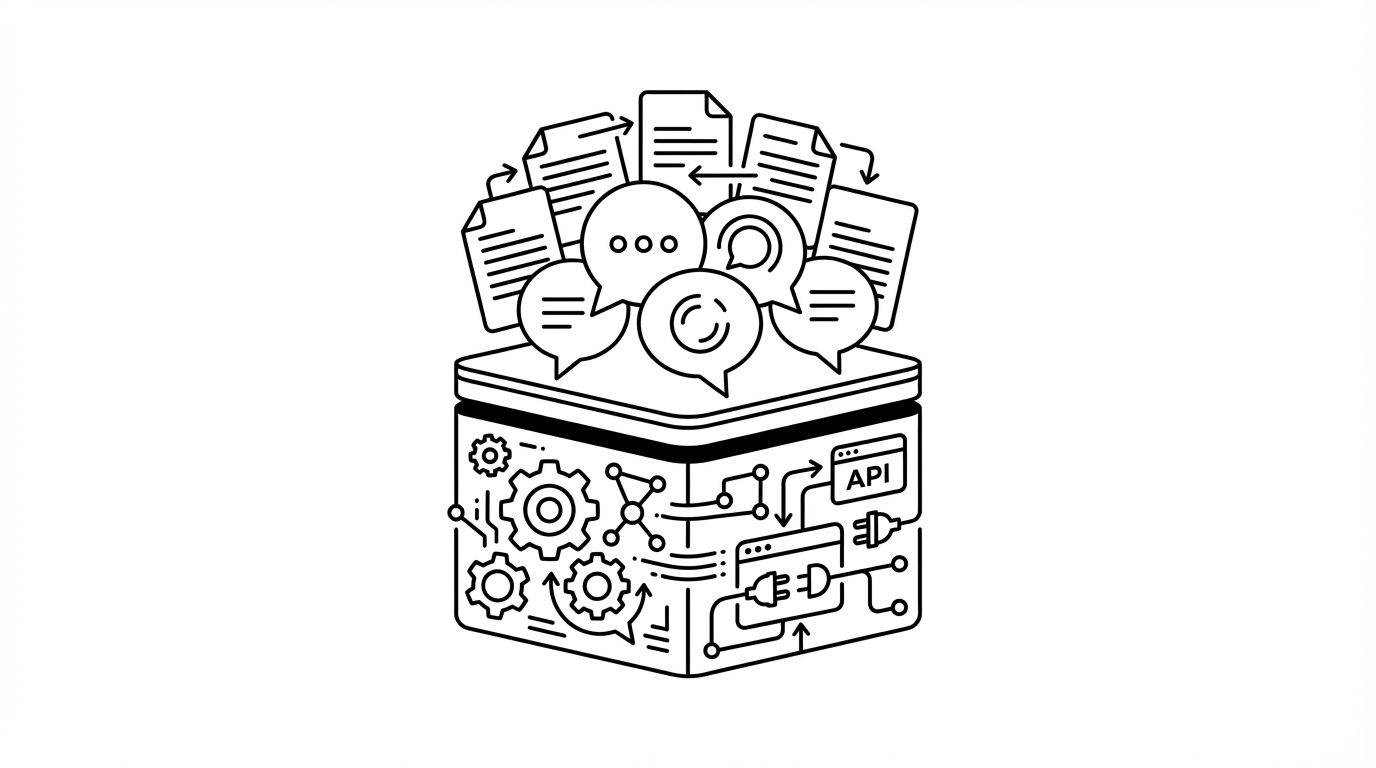
When a buyer asks ChatGPT to recommend project management software, some brands appear consistently while others, with comparable products, never get mentioned. The common explanation is "topic authority": brands with deeper, more credible content ecosystems earn more AI recommendations. That explanation is correct as far as it goes. But it misses a critical distinction that is about to reshape how brands invest in AI visibility.
There are two fundamentally different kinds of AI trust, and most GEO strategies only address one.
The first is mention authority: getting an AI model to name your brand in a conversational answer. This is what every GEO guide covers. Publish authoritative content, build third-party citations, maintain entity consistency across the web, and the AI will mention you when someone asks about your category. The signals that drive mention authority are well understood: citation density across high-authority domains, topical consistency in your content, recency of publication, and structured data that makes your brand identity machine-readable.
The second kind, and the one almost nobody is preparing for, is agent-executable trust. As AI moves from answering questions to autonomously executing tasks, the trust bar shifts. An AI agent that is not just recommending software but actually initiating a procurement workflow, requesting a demo, or completing a purchase on behalf of a buyer needs a different set of signals. It needs machine-readable pricing data, verified security credentials surfaced in structured formats (SOC 2, ISO 27001), real-time availability confirmations, and API endpoints it can interact with programmatically. A brand with 500 press mentions but no structured data endpoint may get mentioned in conversational AI answers but will be skipped by AI agents making autonomous decisions.
This distinction matters because the trajectory is clear. Industry analysts project that by 2028, 90% of B2B buying interactions will involve some form of AI agent intermediation. Brands that only optimized for mention authority will discover that a new layer of trust is required for the agentic layer. And that layer does not care about your blog post quality or your press coverage volume.
The two layers are shown below. Mention authority sits on top, built from content and citations. Agent-executable trust sits underneath, built from structured data, APIs, and verified credentials.
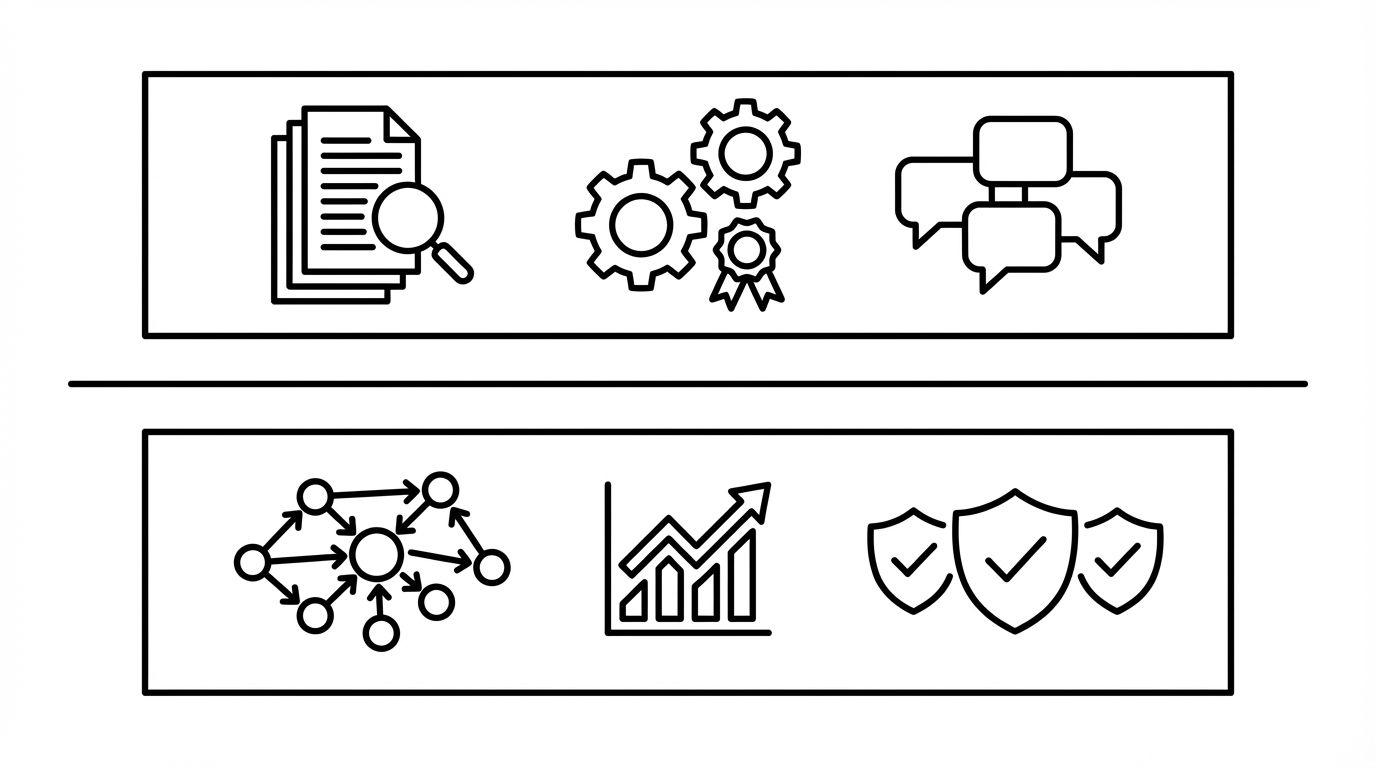
The signals that build mention authority are familiar to any content marketer. Third-party validation is the strongest: AI models weigh reviews, press coverage, analyst reports, and independent comparisons more heavily than brand-owned content. SparkToro found that less than 1% of AI brand recommendations overlap across two identical prompts, which means the brands that do appear consistently are the ones with the densest web of independent mentions. Topical consistency matters too. Brands that publish deeply and regularly on a specific topic build stronger associations in AI training data than those that cover topics sporadically. And entity clarity plays a role: the cleaner your brand's identity is across the web (consistent name, clear category association, unambiguous differentiators), the more precisely AI models can reference you. The internal linking layer reinforces all of this -- how entity relationships travel through internal links is what turns a stack of pages into a coherent topic for the model.
Agent-executable trust requires entirely different investments. It starts with structured data infrastructure: not just schema markup on your website, but machine-readable data feeds that AI agents can query programmatically. Product catalogs with standardized attributes. Pricing information in formats that agents can parse without scraping a PDF. Integration specifications that an autonomous system can evaluate without human interpretation. Security and compliance certifications surfaced as structured data, not buried in a trust center behind a login wall.
The brands that will win the agentic era are building both layers at once. They are investing in content and third-party mentions to maintain mention authority for conversational AI. And they are building structured, machine-readable data infrastructure to earn agent-executable trust for autonomous AI. These are not the same investment, they do not use the same teams, and they do not produce the same outcomes. Conflating them leaves brands prepared for the AI of 2024 but exposed to the AI of 2027.
The practical starting point is an audit of both layers. For mention authority, track how often and how consistently your brand appears across ChatGPT, Perplexity, Gemini, and Google AI Overviews. For agent-executable trust, assess whether an AI system could programmatically access your pricing, verify your credentials, and initiate a transaction without human intervention. Most brands will find the first layer partially built and the second layer nonexistent.
If you are a SaaS company, the gap is especially acute. AI agents evaluating software need comparison data, integration compatibility matrices, and pricing tiers in structured formats, none of which a well-written blog post provides. If you are in e-commerce, the gap shows up in product feeds and real-time inventory data.
Start with a free AI visibility audit to see where your brand stands on the mention authority layer, then use the results to plan your agent-readiness investments before the window closes.