Case Study Breakdown: How Insurance Brands Win in AI Responses
Why do AI assistants recommend some insurance brands over others for small business queries, and what pattern separates the winners from the rest?


The insurance brands that show up in ChatGPT answers are not the ones with the biggest ad budgets. They are the ones that match the specificity of how buyers ask AI questions. A small business owner does not type "commercial insurance." They ask "insurance for a med spa in Texas" or "liability coverage for a food truck." AI models reward answers that treat those as separate categories, each with its own page, carrier list, and premium range. The pattern that wins: one page per specific business type, per state, with real premium ranges, named carriers, and plain language. We broke this pattern down in our insurance case study, and it ports across regulated verticals.
Why Insurance Is the Sharpest Test Case for GEO
Insurance is a fragmented, high-intent, low-trust category, and it is where GEO for insurance carriers and brokers pays off fastest. Three properties make it a diagnostic vertical for AI visibility.
High query specificity. Buyers almost never ask generic questions. "General liability insurance" is a textbook phrase. Real buyers ask about their exact business and state. AI platforms favor pages that match the query's specificity word for word.
Trust-intensive buying. Buyers will not proceed without named carriers, real prices, and social proof. Pages that hedge get skipped for pages that commit.
Compliance as a filter. Regulated content often sounds lawyer-approved. AI models prefer human-readable answers, which gives brands willing to write plainly a structural edge.
As our piece on AI compliance for regulated industries argues, insurance is a harder GEO target on paper but easier in practice. Most incumbents still publish PDF-style content AI cannot parse. The reputation side of the same problem -- how AI mischaracterizes coverage and what to do about it -- is covered in insurance brand reputation in AI.
The Pattern That Wins: Hyper-Specific Landing Pages
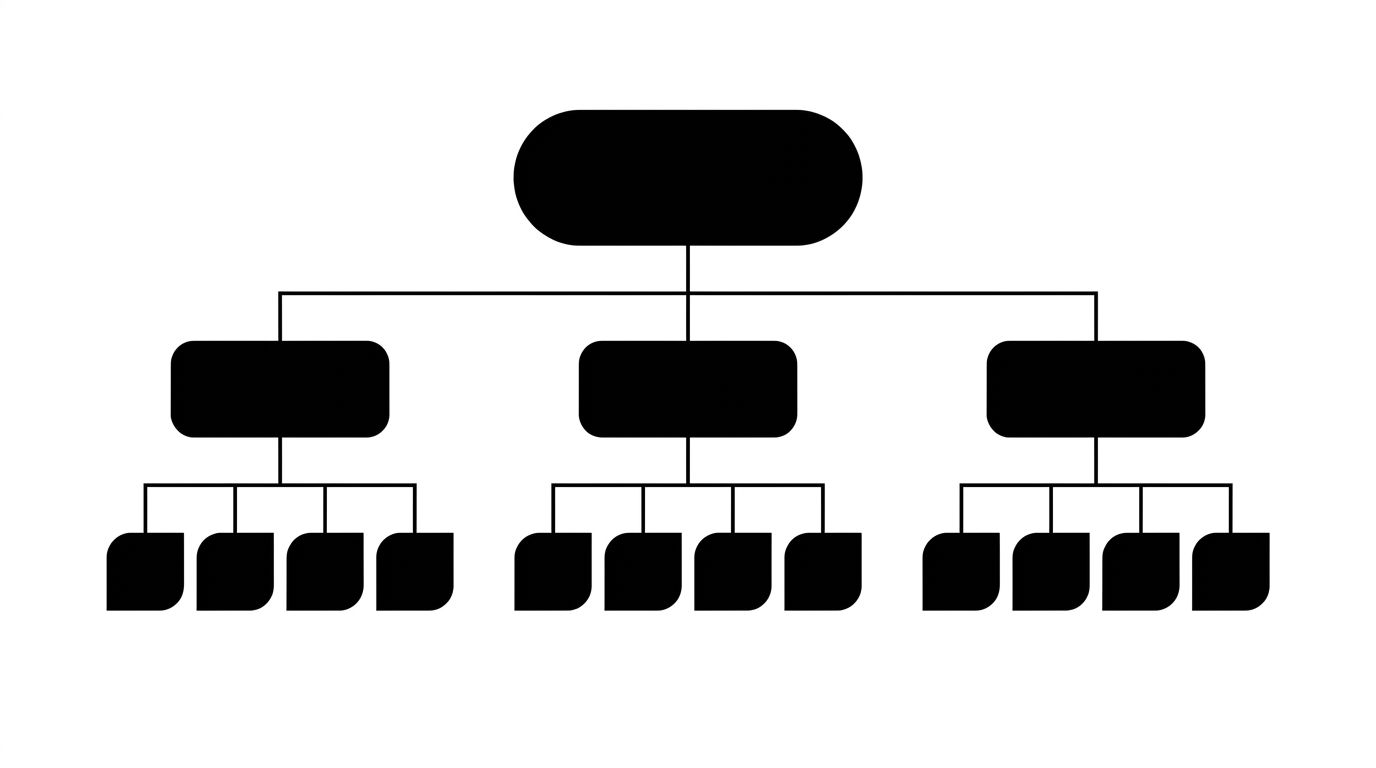
The tree above is the architecture that consistently earns AI citations. One page per business type, then one page per state under each type, each with the same skeleton:
- Premium range for that business type and state
- Named carriers underwriting the niche
- Specific coverage lines (general liability, professional liability, property, workers' comp)
- One paragraph on what a claim typically looks like
- An FAQ written from actual Reddit and forum questions
ChatGPT cites the page that hits the most of these markers in the first 400 words. Thin aggregator pages and carrier-written content get skipped because both read as marketing.
What the Case Study Actually Showed
In our insurance case study, the client saw impressions triple in two weeks and leads arriving from ChatGPT within four. The reason was three specific moves.
First, subreddit-seeded FAQs. The team mined r/smallbusiness, r/Entrepreneur, and niche forums for the actual questions med spa and restaurant owners ask. Those questions, phrased as headings, match AI retrieval almost word for word.
Second, carrier-named content. Most insurance content avoids naming carriers. The client named them. Pages that say "Hiscox, Next Insurance, and biBerk typically underwrite med spa liability" outperform anonymous content because AI models prefer specific entities.
Third, pillar-cluster hierarchy. A parent page for "small business insurance" links down to business-type pages, which link down to state pages. For the build mechanics, our pillar cluster architecture post covers it.
Why This Beats the Big-Brand Playbook
The largest insurance brands have domain authority and ad budgets. They still get outranked in AI responses for specific small-business queries.
- Generic content. Big-brand pages speak to "business owners." Niche pages speak to "owners of a 2,000-square-foot Texas med spa."
- Legal guardrails. Compliance teams strip specifics from big-brand content. No premium ranges, no carrier names, no examples.
- Site structure friction. Enterprise insurance sites bury niche content four clicks deep. Crawl priority and retrieval weight fall off.
Incumbents can win, but they have to publish differently than their brand guidelines normally allow.
What Other Regulated Verticals Should Copy
The same pattern ports to financial services, legal services, healthcare billing, and tax preparation. All four share the traits that made insurance work: high query specificity, trust-intensive buying, compliance defaults that push content toward generic language. In banking and wealth management the specificity edge stacks on top of the trust signals AI models rely on in financial services, which is where this pattern starts paying off for financial services and insurance marketing teams.
Audit your content against two questions:
- Does a specific sub-persona (not "small business" but "owner of X in state Y") have a page that answers their exact question?
- Does that page commit to real specifics (names, prices, lines, examples) rather than hedge?
If the answer is no to either, you are leaving AI citations on the table.
The Move That Makes This Repeatable
The client built a weekly pipeline: five outlines a day from AI research, human writers closing each piece, Reddit monitoring feeding next week's FAQs. That cadence turns one-time wins into compounding mention rate growth.
For the full breakdown, review the insurance case study.