GEO ROI by Industry: Benchmarks for SaaS, E-Commerce, and Enterprise
What ROI should SaaS, e-commerce, and enterprise brands actually expect from GEO, and why does averaging industry benchmarks mislead your forecast?

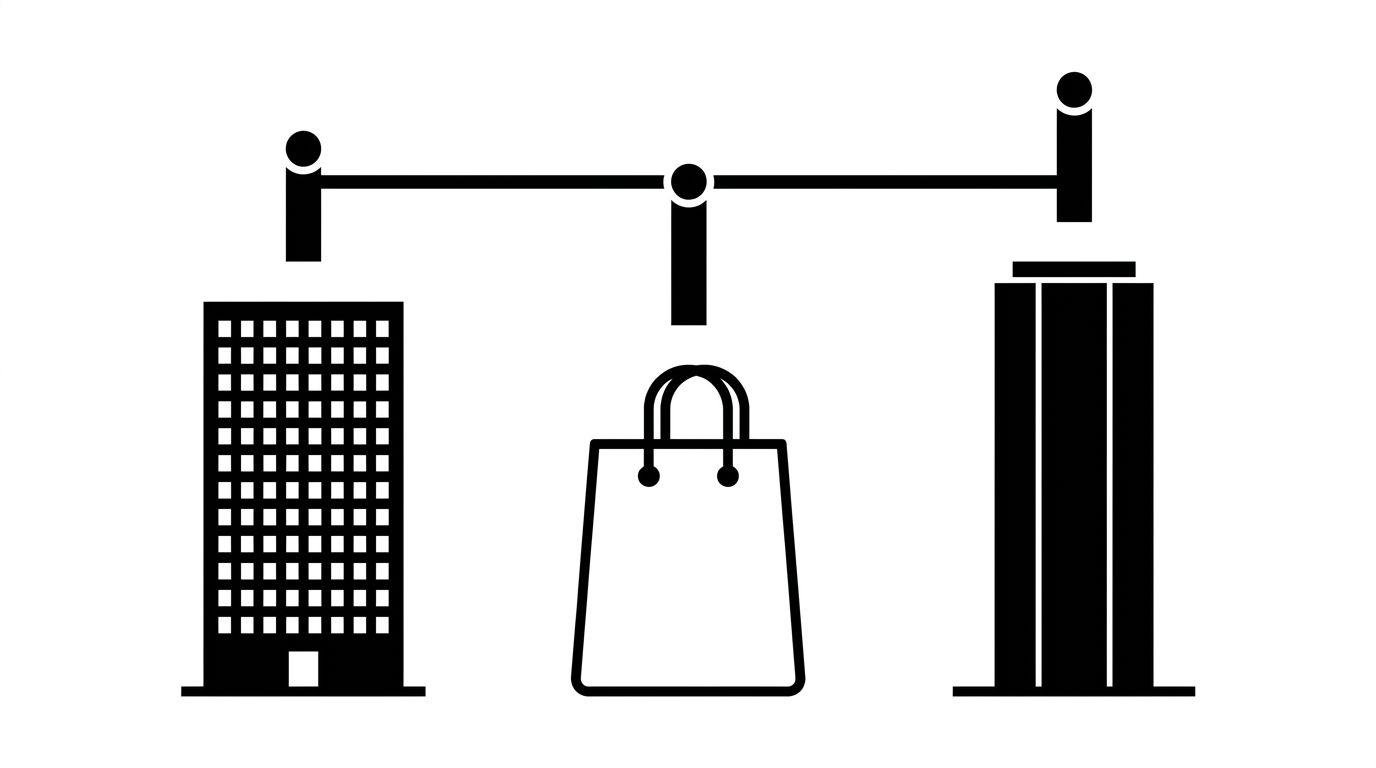
Industry ROI benchmarks for GEO look wildly different, and averaging them is the most common budgeting mistake. A SaaS buyer making a $50K decision after an AI recommendation has different unit economics than a shopper buying a $40 skincare product, and enterprise brands with a 9-month sales cycle sit somewhere else. A blended "AI visibility lifts revenue 15%" number understates SaaS and overstates e-commerce. The sharper move is to benchmark cost per AI-sourced conversion against your category norm. What follows is what the real numbers tend to be in SaaS, e-commerce, and enterprise.
Why One Benchmark Does Not Fit Three Industries
Three variables drive the ROI gap between SaaS, e-commerce, and enterprise.
- Deal size: SaaS ACV runs $1K to $500K+; e-commerce AOV sits $30 to $300; enterprise deals run $50K to $5M+. This alone swings the ROI multiple by 100x.
- Consideration time: e-commerce often converts same-session; SaaS takes weeks; enterprise takes months. The conversion tail differs dramatically.
- AI query volume per buyer: one enterprise buyer may run 40+ AI queries during evaluation; an e-commerce shopper runs 1 to 3. SaaS sits between.
Pretending these produce the same ROI shape is how CFOs end up skeptical of the category.
SaaS: The Highest ROI Segment Right Now
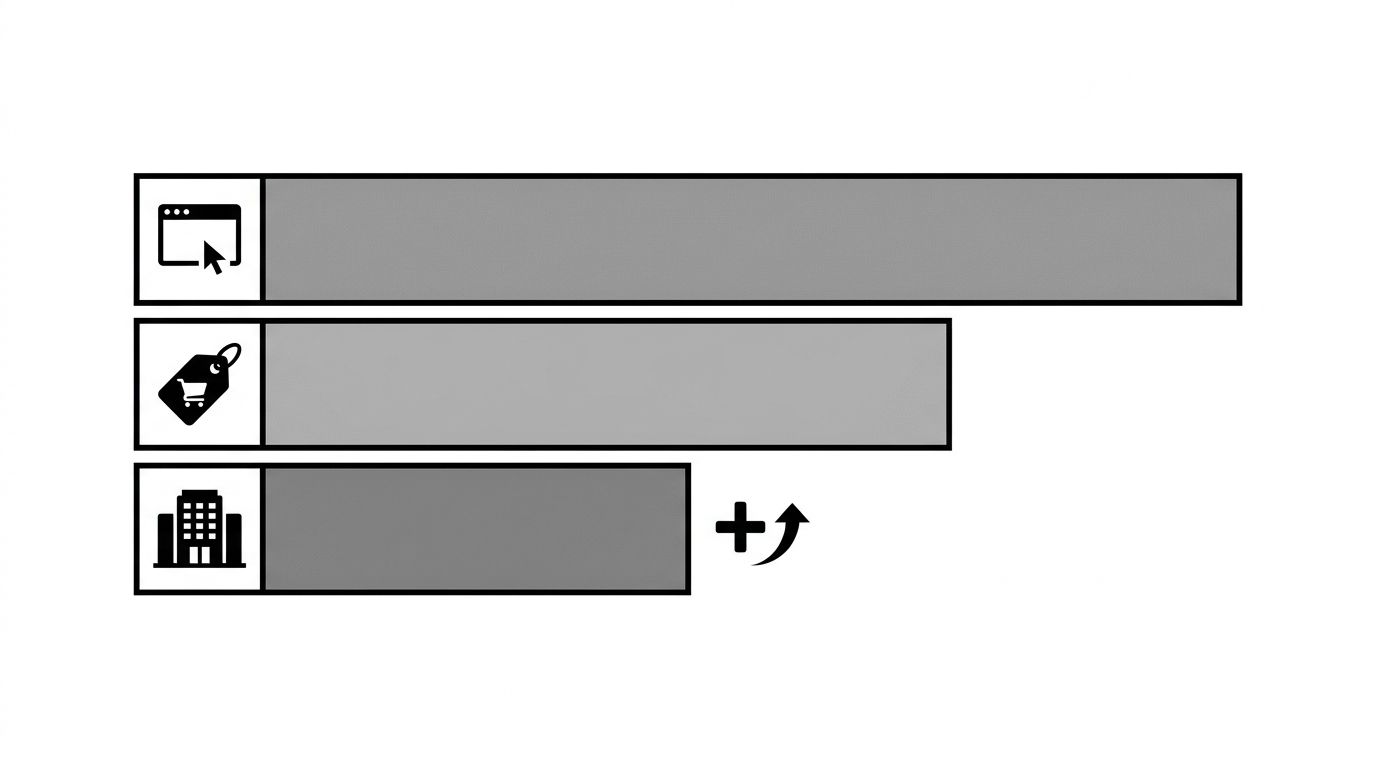
The chart above shows why SaaS sits at the top of the GEO ROI table. Three reasons.
First, buyers research category before vendor. When a prospect asks ChatGPT "what's the best customer support platform for a mid-market SaaS," they are curating a shortlist. If you are in the list, you enter evaluation.
Second, consideration time matches AI's strengths. SaaS buyers return to AI assistants across a 2 to 8 week cycle. Each touch reinforces the brand association.
Third, ACV justifies the investment. A single $20K ACV customer pays back meaningful GEO spend immediately. SaaS brands see 4x to 8x first-year ROI when they rank for top category queries. Our GEO for SaaS guide has the playbook.
E-Commerce: Lower ROI Multiple, Higher Volume
E-commerce GEO has lower per-conversion economics but higher query volume. Typical benchmarks:
- Cost per AI-sourced conversion: $8 to $25 depending on AOV
- Revenue lift at category query rank 1 to 3: 12 to 20% on affected SKUs
- Payback period: 3 to 6 months
The wrinkle: most AI shopping responses cite Amazon, Target, Walmart. D2C brands compete on a different axis, covered in our D2C brands and AI visibility post. The multiple is smaller per conversion but compounds through volume and branded search lift.
Enterprise: Slowest Payback, Largest Absolute Return
Enterprise GEO looks terrible on a quarterly chart and exceptional on an annual one.
- Quarters 1 to 2: mention rate improves, no revenue signal
- Quarter 3: one or two deals close where sales notes "we came across you through AI research"
- Quarter 4 and beyond: deal attribution stabilizes, ROI compounds
A single $500K deal can justify 18 months of GEO investment. The catch: enterprise buyers use AI as a disqualification tool. If AI describes your product incorrectly or fails to mention you, you get filtered out before sales hears about the opportunity. That is a displacement cost, and it is what enterprise CFOs care about most. Our piece on calculating GEO ROI walks through both framings.
The Benchmark You Should Actually Use
Category averages are starting points, not targets. The benchmark that matters is your cost per AI-sourced qualified conversion against organic search or branded paid. If GEO is within 20% of organic CAC in your first six months, you are on track. If GEO is 2x more expensive in month six, the issue is usually content quality or bot-visibility, not the channel.
- SaaS: 3x to 8x first-year ROI; CAC within 30% of organic search CAC
- E-commerce: $8 to $25 cost per AI-sourced conversion; 3 to 6 month payback
- Enterprise: 12 to 18 month payback; 1 to 3 attributed deals per quarter by Q3
If your numbers trail these meaningfully, the diagnosis is usually mention rate, not budget.
Where Most Brands Leave ROI on the Table
The industry gap often reflects execution quality, not economics. Two patterns show up consistently.
- Measuring mention rate without measuring conversion rate. Knowing you appear in 28% of ChatGPT responses is meaningless if you cannot tie it to qualified traffic.
- Optimizing for one AI platform. A brand that ranks on Perplexity but not ChatGPT captures a fraction of available ROI.
Where to Start
Benchmark your own numbers first. Mention rate, cost per AI-sourced conversion, and payback against your organic numbers matter more than any industry average. Then compare against the ranges above to see whether the gap is execution or category.
For a worked example in a regulated category, read the insurance case study, or explore our GEO optimization service.