Tracking AI Citations, Where Are AI Models Getting Their Information?
Which sources do AI platforms actually cite when they answer buyer questions in your category, and how do you get your pages into that list?

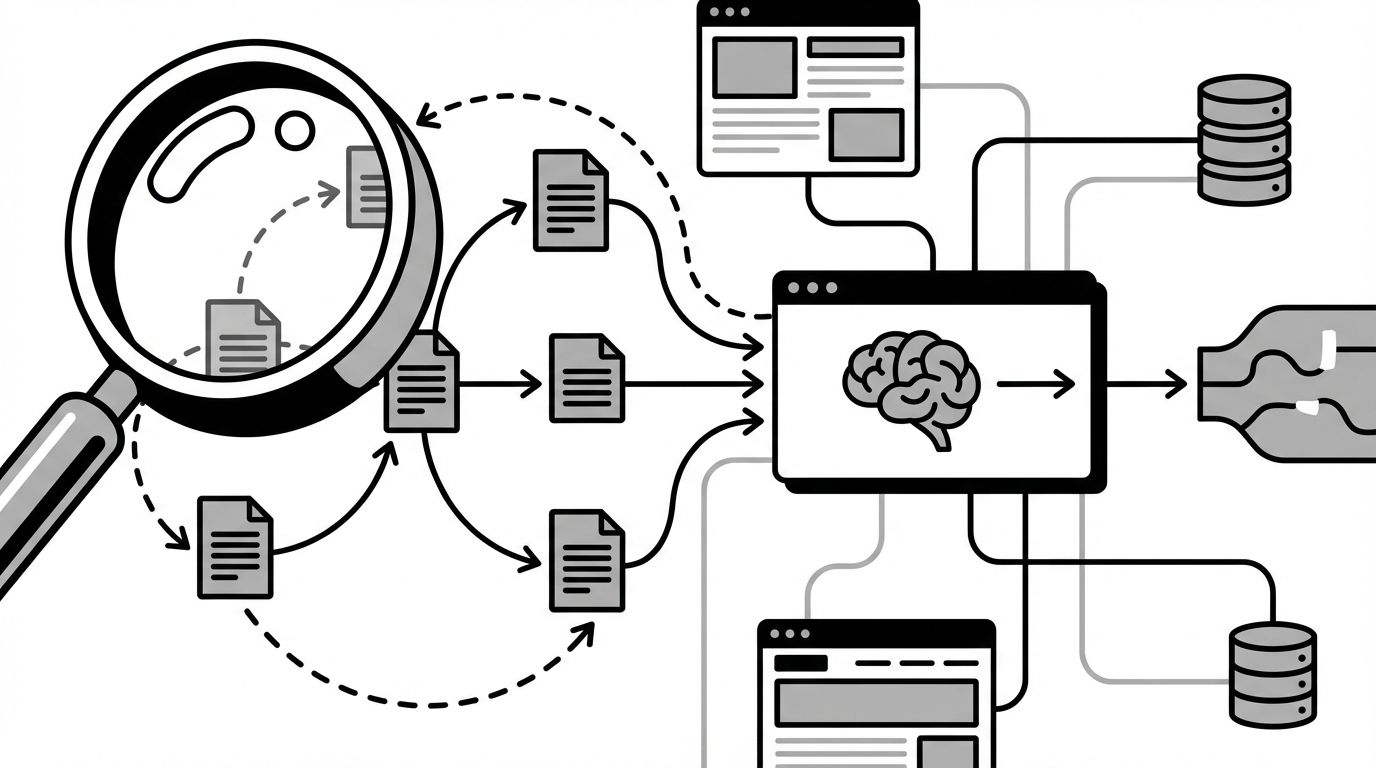
When an AI platform recommends your competitor instead of you, the question most teams ask is "how do we get mentioned?" The more productive question is "what sources is the AI citing, and why are those sources winning?" Citation tracking -- mapping which URLs, domains, and content types AI models reference -- reveals the specific pages and publishers you need to outperform or get featured on. It turns the abstract challenge of AI visibility into a concrete content and distribution problem with identifiable targets.
Why Citations Are the Actionable Layer of AI Visibility
Mention rates tell you whether you are visible. Sentiment tells you how you are positioned. Citations tell you why -- and more importantly, they tell you what to do about it.
When Perplexity cites a G2 comparison page instead of your product page, that is not random. When ChatGPT references a competitor's blog post to explain a concept you invented, that tells you exactly where your content is falling short. Citations are the mechanism through which AI models justify their responses, and tracking them gives you a map of influence.
- Citations reveal which content formats AI models prefer to reference
- They show which third-party sources carry the most weight in your category
- They expose gaps where your brand has no citable presence
- They identify opportunities where getting featured on a specific site could shift visibility
How Each Platform Handles Citations
Not all AI platforms cite sources the same way, and understanding the differences shapes your tracking approach. Each platform also fails its citations differently, which is why we map misinformation patterns by AI platform separately from accurate-citation patterns.
The diagram below contrasts citation behavior across the four major platforms.
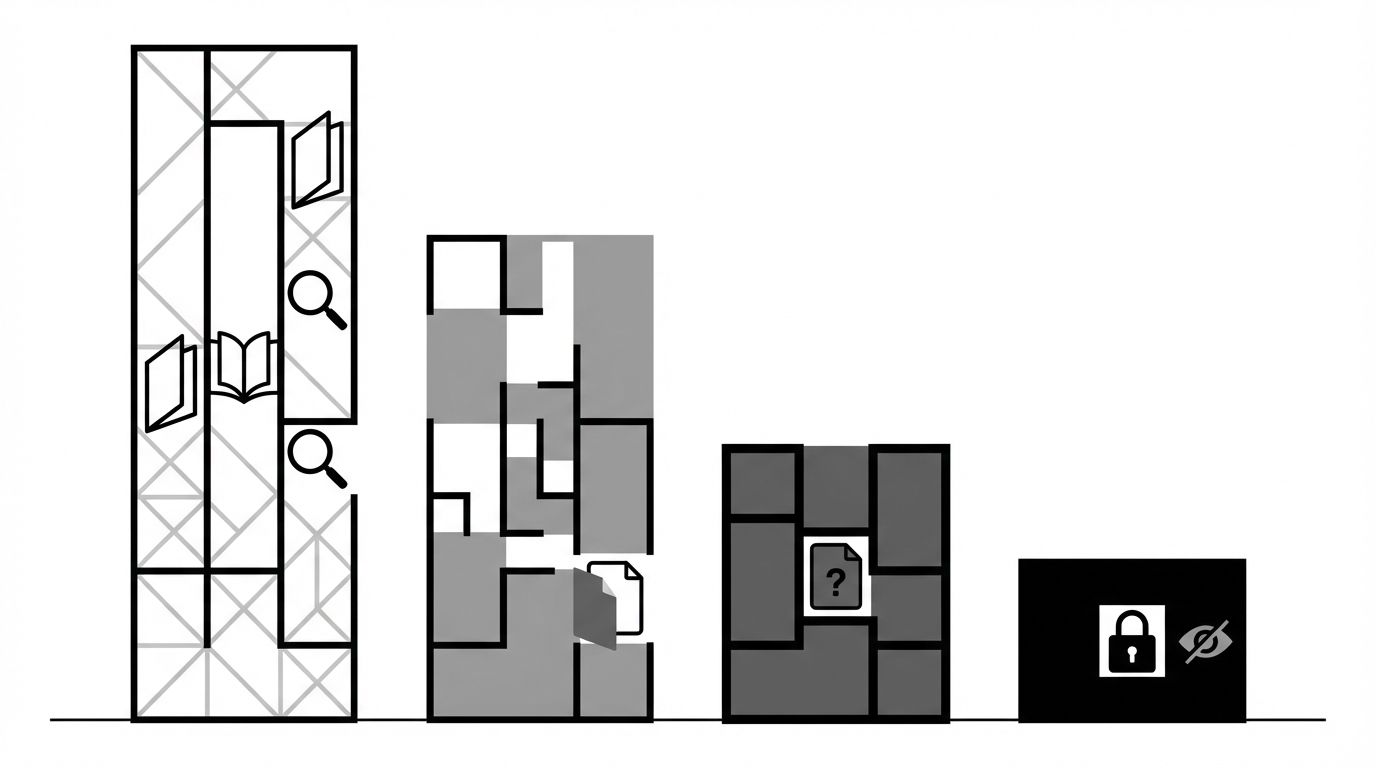
Perplexity: Fully Transparent
Perplexity numbers every source citation inline. You can see exactly which URLs informed each part of the response. This makes Perplexity the easiest platform for citation tracking and the best place to start building your citation profile.
Gemini and Google AI Overviews: Partially Transparent
Gemini often shows source links alongside or below responses, especially in AI Overviews. The citations map closely to Google's organic search results, which means your structured data and SEO fundamentals directly influence what gets cited.
ChatGPT: Context-Dependent
ChatGPT shows citations when browsing mode is active but relies on parametric knowledge for many responses. Tracking ChatGPT citations requires capturing both the explicit links (when present) and inferring the source pages that likely influenced responses based on content overlap.
Copilot: Bing-Derived
Copilot citations follow Bing's search results. They are usually visible as linked sources at the bottom of responses. Bing optimization -- including proper indexing and link building -- directly influences which pages Copilot cites.
Building a Citation Tracking System
A practical citation tracking process has four steps:
- Run category queries weekly across all four platforms and capture the full response including all cited URLs
- Categorize each citation by type: your own content, competitor content, third-party review sites, industry publications, or reference sources like Wikipedia
- Map citation frequency to identify which domains and pages appear most often for your category queries
- Track changes over time to spot new sources entering the citation pool and existing sources dropping out
Over time, this produces a citation map -- a clear picture of which sources AI models trust most in your category.
Turning Citation Data Into Strategy
Citation tracking is only useful if it drives decisions. Three strategic moves follow directly from citation data:
Claim Uncited Positions
If your brand is never cited for queries where you have relevant content, the issue is usually one of three things: your content is not authoritative enough, it is not structured for extraction, or it is not indexed by the platform's source. Fix the specific gap the data reveals.
Get Featured on High-Cited Sources
If G2, a specific industry publication, or a comparison site appears repeatedly in citations for your category, getting featured there becomes a high-impact activity. A single placement on a frequently-cited source can influence your brand's AI visibility more than publishing ten blog posts on your own site.
Out-Depth Competitor Citations
When a competitor's page is consistently cited over yours for the same topic, analyze what makes their page the preferred source. Common differentiators include deeper coverage, better content formatting, clearer data presentation, and stronger external validation.
What to Do Next
Start with Perplexity, where citations are fully transparent. Run your top 10 category queries, record every cited URL, and categorize them. This initial mapping will show you which sources dominate your category's AI citation space and where the gaps are.
For brands looking to systematically improve their citation presence, our GEO optimization service includes citation tracking and source gap analysis across all four platforms.