Will AI Replace Search Engines? A Data-Driven Analysis
Are AI platforms actually replacing search engines, or just quietly reshaping which of your queries they answer?

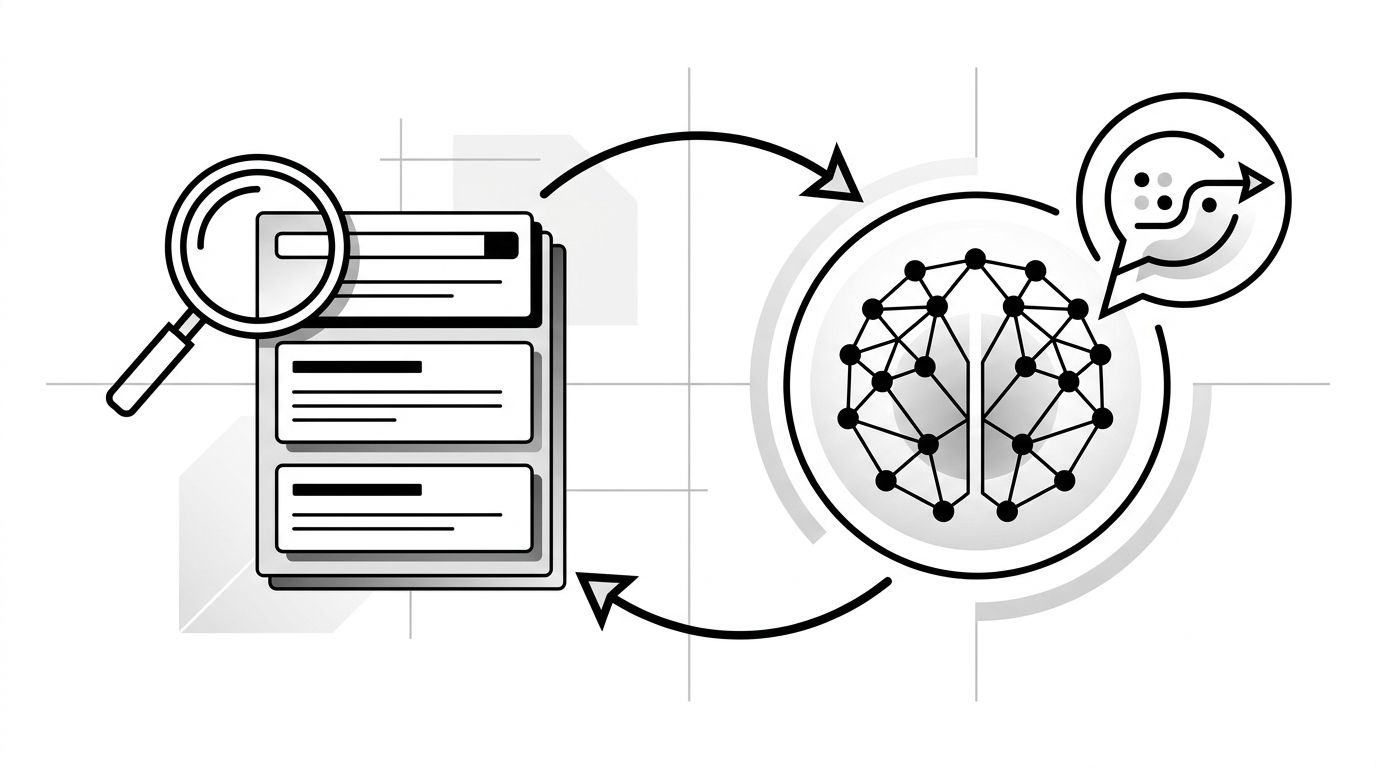
The question assumes a wholesale migration that isn't happening. AI platforms are replacing specific query types at very different speeds. Informational queries (how, what, why) are moving fast to ChatGPT, Perplexity, and Google AI Overviews. Navigational queries have barely moved. Transactional queries are almost entirely on traditional search. If you're planning around "AI replacing Google," you're optimizing for an event that hasn't happened in the queries that matter most for conversion.
The Replacement Framing Is Wrong
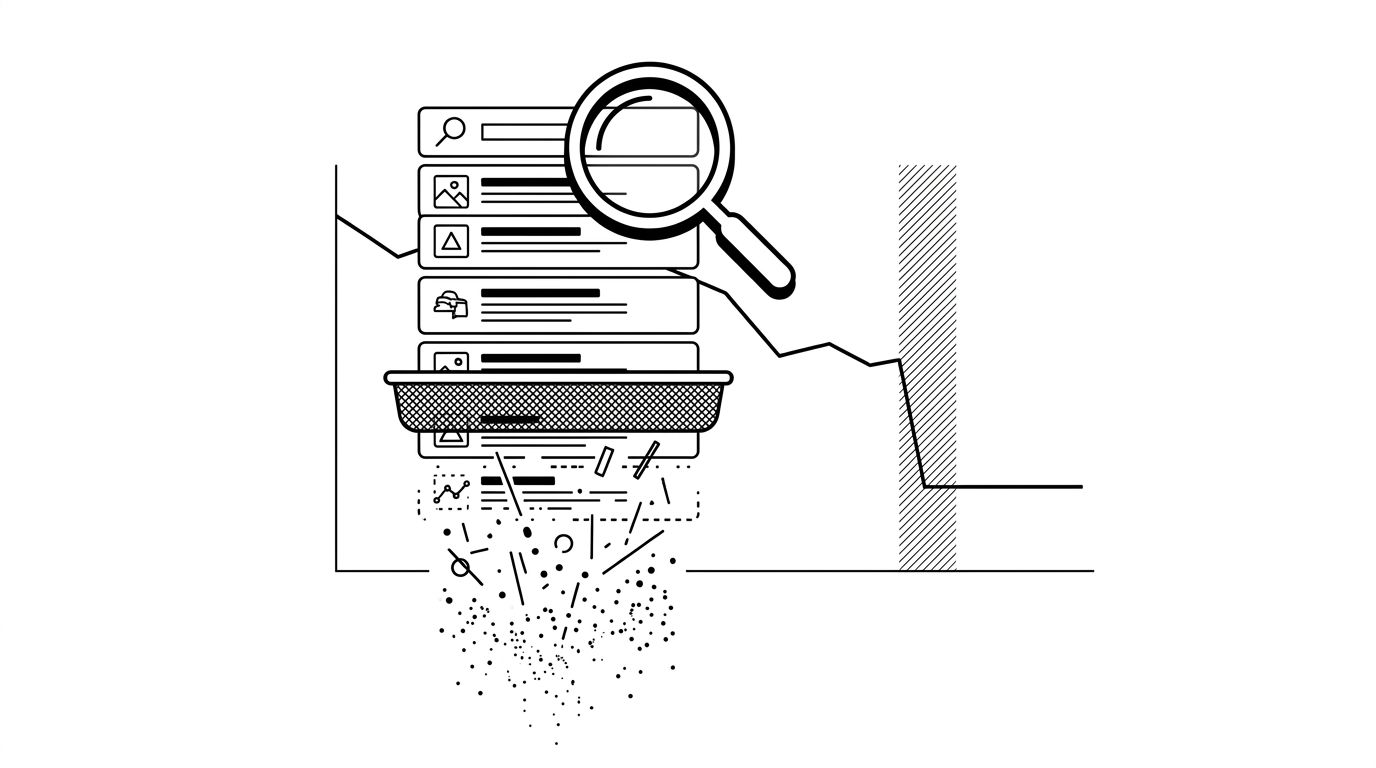
Most coverage treats this as binary: AI wins, Google loses. The data doesn't support that. Global search volume is down about 3–5% year over year per Similarweb's late-2025 reports. ChatGPT weekly active users crossed 500M by Q4 2025 per OpenAI's own disclosures. Those numbers sit side by side, but they aren't apples to apples. Search happens dozens of times per user per day. ChatGPT usage sits around 3 to 5 prompts per active day for most cohorts.
The real story is query-type redistribution, not replacement. Traditional search still handles the high-intent queries where money changes hands.
What the Query Data Shows
Run a fresh breakdown of your own analytics and you'll usually see the same pattern. Informational queries have been leaving Google for the past 18 months. Everything else has held steady.
- Informational queries (definitions, comparisons, explanations): down 20 to 40% in many SaaS and B2B categories, based on Google Search Console data across a range of client accounts I've reviewed.
- Navigational queries (brand plus product name): flat. People still type "stripe dashboard" and "hubspot login" into Google.
- Commercial queries (best X, top Y): showing early decline of roughly 10% as AI Overviews intercept the top of the funnel.
- Transactional queries (buy, pricing, sign up): flat. Users still trust the SERP for checkout pages.
If your organic traffic is down without a ranking drop, check which query types are missing. It's almost always informational.
Where AI Actually Displaces Search
The migration is sharpest in three places. Explanatory research, where users want a synthesized answer rather than ten blue links. Product discovery at the top of the funnel, especially for B2B evaluations. And any query that benefits from follow-up dialogue. SparkToro's Q1 2026 survey found that 64% of users who adopted ChatGPT for research said they "rarely" returned to Google for the same task.
The reverse migration is rare. Once a query type moves to AI, it doesn't come back.
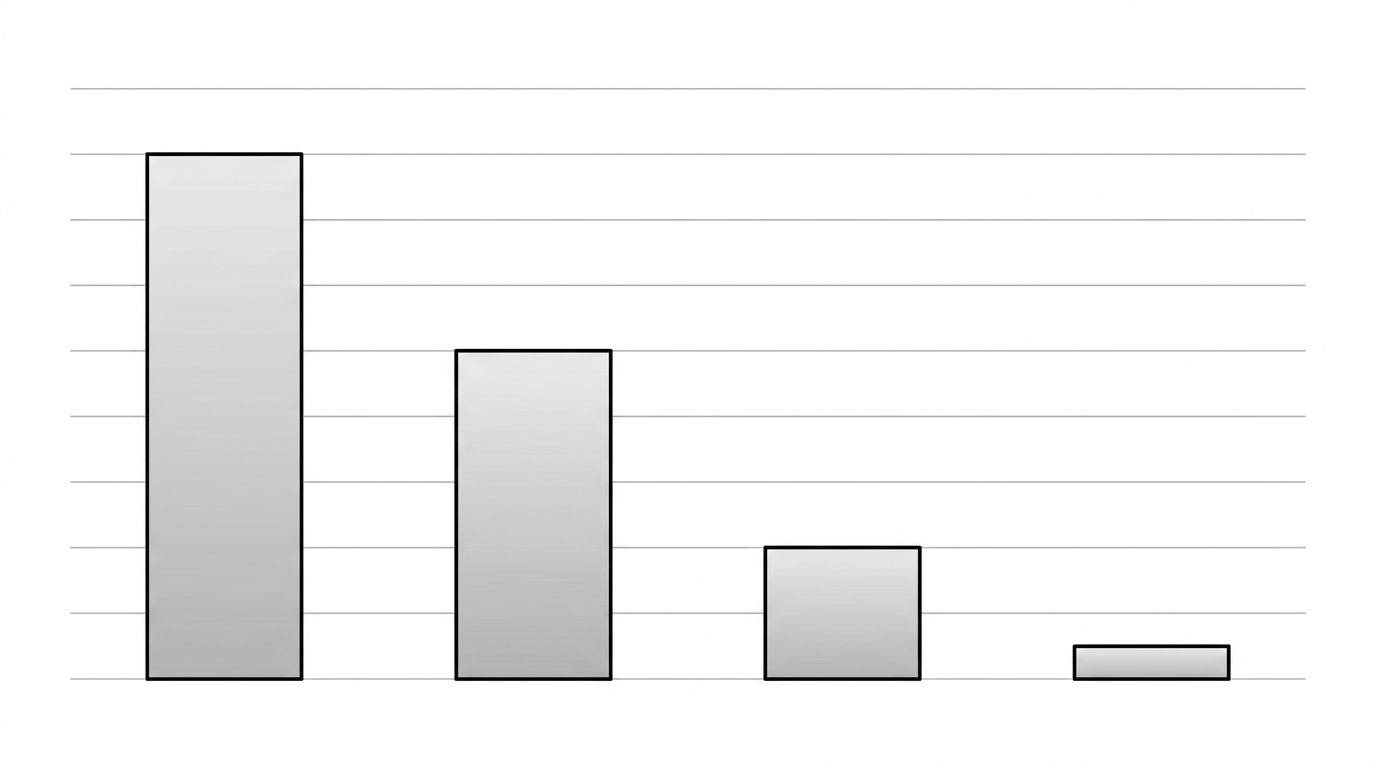
The chart above shows the asymmetry. Informational migration is a cliff. Transactional is a plateau. Most GEO strategy debates actually live in the middle bars.
Why Google Isn't Going Anywhere Yet
Three moats keep traditional search intact for the near term.
- Commerce integration: Google Shopping, reviews, and local results are deeply wired into transaction paths. AI platforms are only starting to build equivalents.
- Navigational habit: Typing a brand name into the address bar routes through Google for most users. Chrome's roughly 65% browser share reinforces this.
- AI Overviews absorbing the threat: Google shipped AI Overviews into search itself. Around 30% of US queries now show one, per Semrush's January 2026 tracking. That blunts the reason to leave.
AI platforms aren't beating Google. Google is converting its own SERP into an AI surface, which is a different outcome than replacement.
What This Means for Your GEO Strategy
Stop optimizing for "the shift" as a monolith. Segment your queries and move accordingly.
- Audit your top organic queries by intent. Separate informational, commercial, navigational, and transactional.
- For informational queries already losing traffic, prioritize AI citation optimization. Structured content, clear definitions, and question-answer formatting get you cited in AI responses.
- For commercial queries, optimize for both AI Overviews and Perplexity while keeping traditional SEO live. Users sample both.
- For transactional queries, keep investing in traditional SEO, conversion copy, and product schema. Don't move resources off pages that close sales.
The brands winning right now aren't picking a side. They're running a two-track strategy and reallocating spend by query type based on monthly data. Our full guide to GEO lays out the underlying framework. If your informational traffic is dropping and you want a concrete view of where AI is already citing you, our GEO optimization service maps it query by query.
See how this plays out in a regulated vertical in our insurance case study.