Agentic AI and Autonomous Decision-Making: What It Means for Brands
When AI agents start researching and buying on behalf of users, which brands will they pick, and what signals are they actually reading?

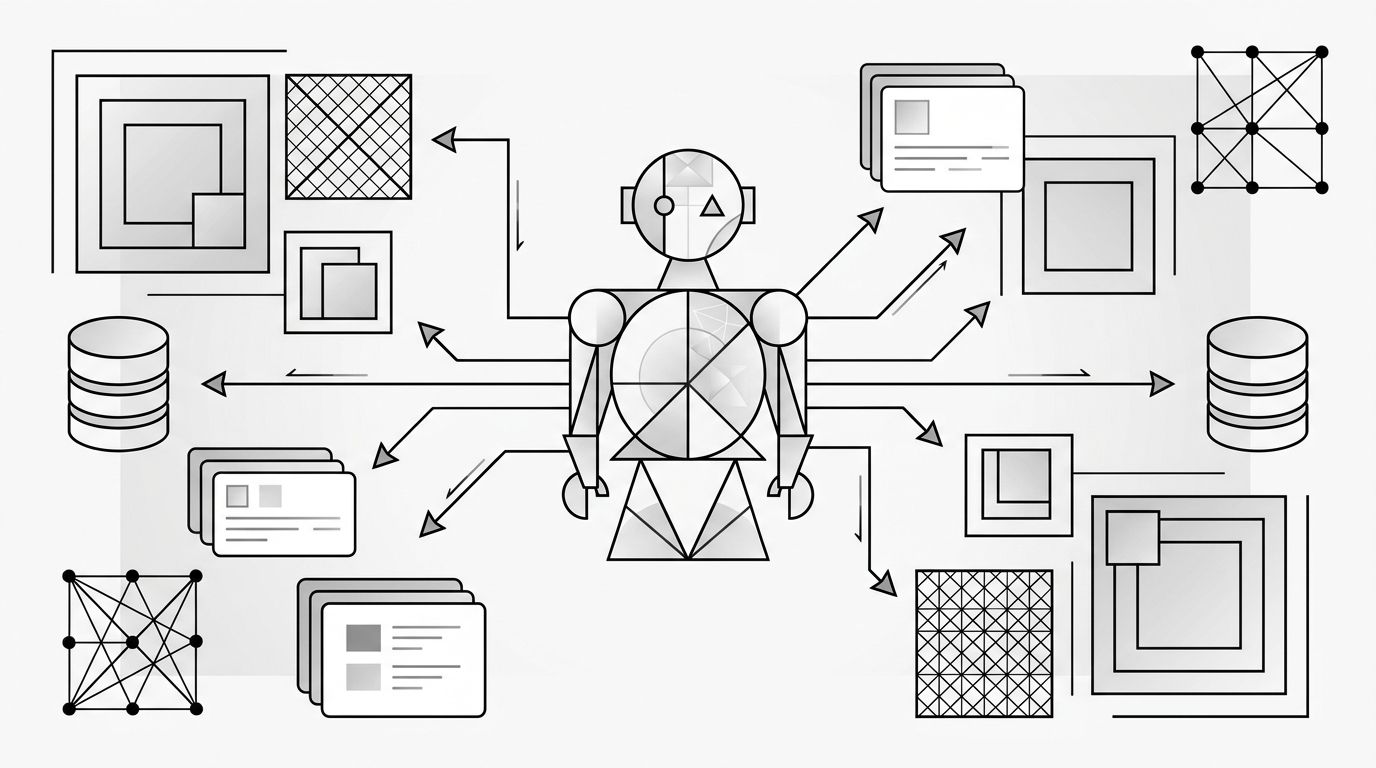
AI agents don't read like humans. They parse structured fields, APIs, and machine-readable schemas, then make decisions on behalf of a user who never sees your site. If your product data lives only inside marketing pages and design-heavy layouts, you're invisible to the layer of discovery that's replacing the browser. Brands that win the next two years will be the ones whose product data is shaped for agents first and humans second.
The Agent Layer Is a New Consumer
Agentic AI is not a future concept. ChatGPT has an agent mode. Perplexity has Pages and autonomous research. Google's Project Mariner runs multi-step browser tasks. Anthropic's computer use can click through a site without any human input. These aren't demos anymore. They're running in production against real product catalogs.
The consumer for your content is changing. For many categories, the first entity that reads your product page is an AI agent on behalf of a user. The user sees a recommendation or a summary. They rarely see your site.
What Agents Read That Humans Don't
Agents weight signals completely differently than human visitors. Understanding the shift matters because your current analytics probably don't track any of it.
- Structured data. Schema.org markup, JSON-LD, and microdata tell an agent what an object is. A Product with price, availability, and review count is legible. An unstructured landing page is not.
- APIs and feeds. Agents are starting to call APIs directly when they're available. A public product feed is worth more to an agent than a polished comparison page.
- Tables, not paragraphs. Agents extract data better from tables and lists than from prose. A specifications table beats a paragraph describing features.
- Machine-readable pricing. A price in a data attribute or a schema field outranks a price rendered only as an image or in a modal.
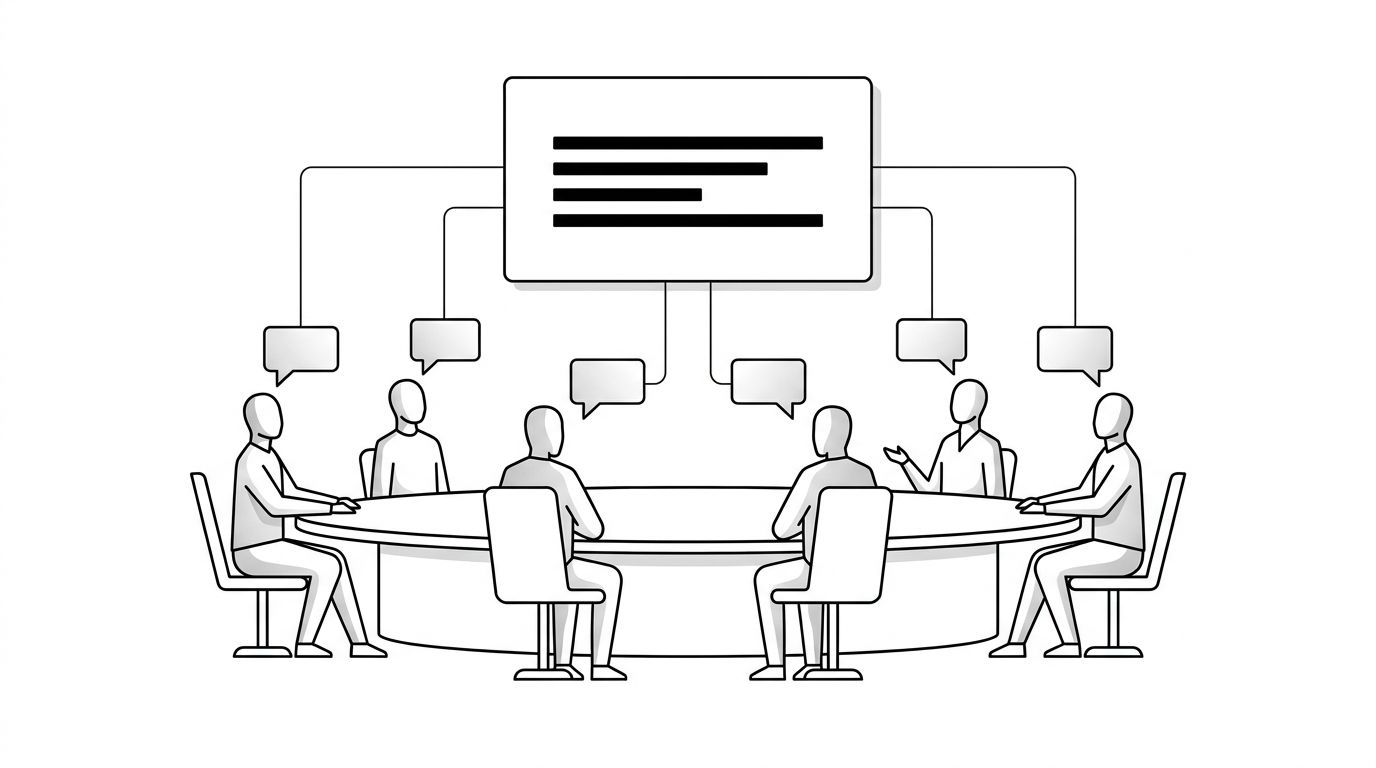
The diagram below shows how agents route through these signals before settling on a recommendation.
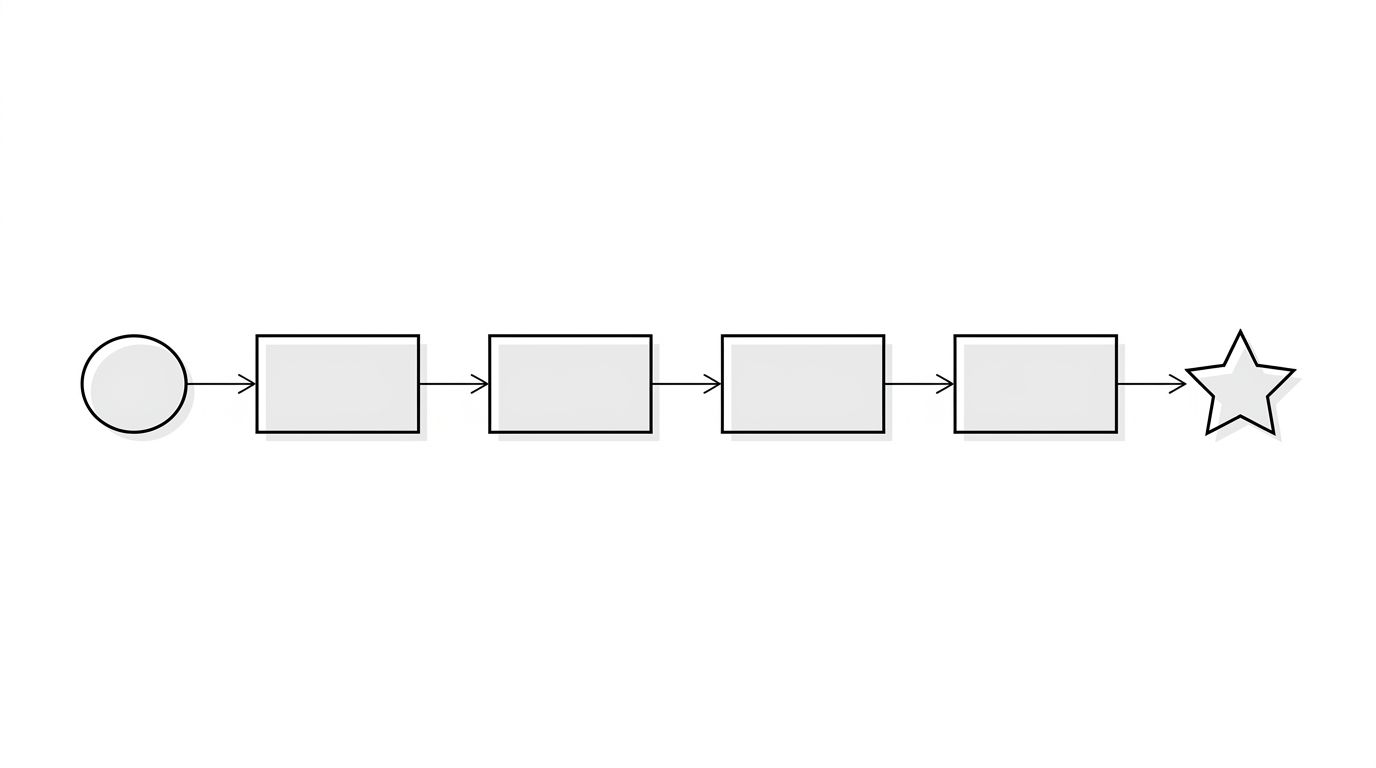
Most brands optimize for the visual path, the one a human follows. Agents take the structured path, which is often empty.
Where Agentic Commerce Is Already Happening
Three patterns are live right now and worth benchmarking against your own setup.
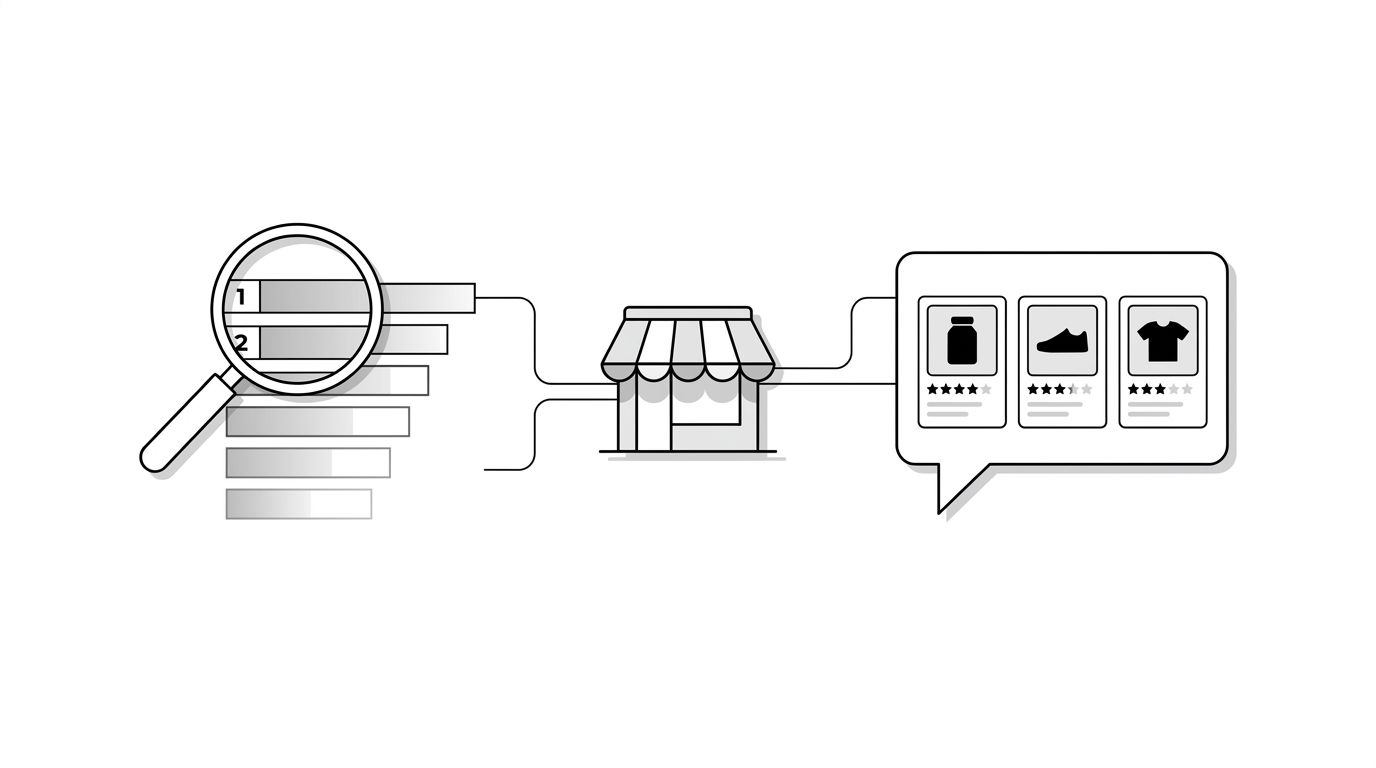
- Comparison and research agents. Users ask ChatGPT or Perplexity to compare five vendors. The agent pulls product pages, specs, and reviews, then returns a ranked list. If your product page is heavy on visuals and light on structured fields, you get skipped.
- Booking and reservation agents. Travel agents and scheduling tools are automating full booking flows. Brands with clean APIs and JSON-LD for Event, Reservation, and Offer are getting picked more often than those with prettier sites.
- Procurement agents in B2B. Large enterprises are piloting procurement agents that evaluate SaaS vendors against internal criteria. The inputs are structured docs, G2 data, and public pricing. Sites that hide pricing are invisible to this layer. Our agentic commerce guide covers the B2C version of this shift.
How to Optimize for Agent Visibility
Treat your site as a two-audience problem. Humans need the story. Agents need the data. Both can live on the same page.
- Add Product, Offer, and Review schema to every product page. Test in Google's Rich Results tool.
- Publish a public product feed or API endpoint. Even a simple JSON feed improves agent legibility.
- Convert long prose comparisons into specification tables with explicit rows for feature, capacity, and price.
- Expose pricing in text rather than images. Agents don't OCR reliably.
- Add FAQ and HowTo schema on key pages. Agents use these to answer follow-up questions about your brand.
Our structured data guide has the specific field-level requirements for each schema type.
What to Do This Quarter
Pick your top 10 product or service pages. Audit each one for structured data coverage, machine-readable pricing, and specification tables. Add what's missing. Watch what happens to your AI mention rate in the following 30 days.
If you want an external view on where agents currently surface your brand versus competitors, our GEO optimization service includes an agent-readability benchmark in the audit.