Building Brand Guidelines for AI Platforms
Your brand book tells designers how to use your logo, but who's telling AI models how to describe your brand, and in what words?

Traditional brand guidelines are written for humans. Designers, writers, and agency partners read them and apply the rules. AI models don't read your brand book. They synthesize a brand representation from whatever content is publicly available about you. If that content is inconsistent, AI will average it into a description you wouldn't have approved. AI brand guidelines are a distinct document with a distinct purpose: to align public content so that AI's synthesized representation of your brand matches what you'd have written yourself.
Why Traditional Brand Guidelines Aren't Enough
A classic brand book covers logo usage, color palette, typography, and tone. AI doesn't care about any of those at the representation layer. What AI cares about is what words appear near your brand name across the public web.
If your marketing site says "enterprise-grade," your support content says "built for mid-market," and your partner content says "ideal for startups," AI will synthesize something like "suitable for companies of various sizes." That's a miss. Not wrong exactly, but bland enough that AI can't give a confident recommendation on who should buy.
The fix is an AI-specific set of guidelines that govern public content for representational consistency, not just visual consistency.
What Belongs in AI Brand Guidelines
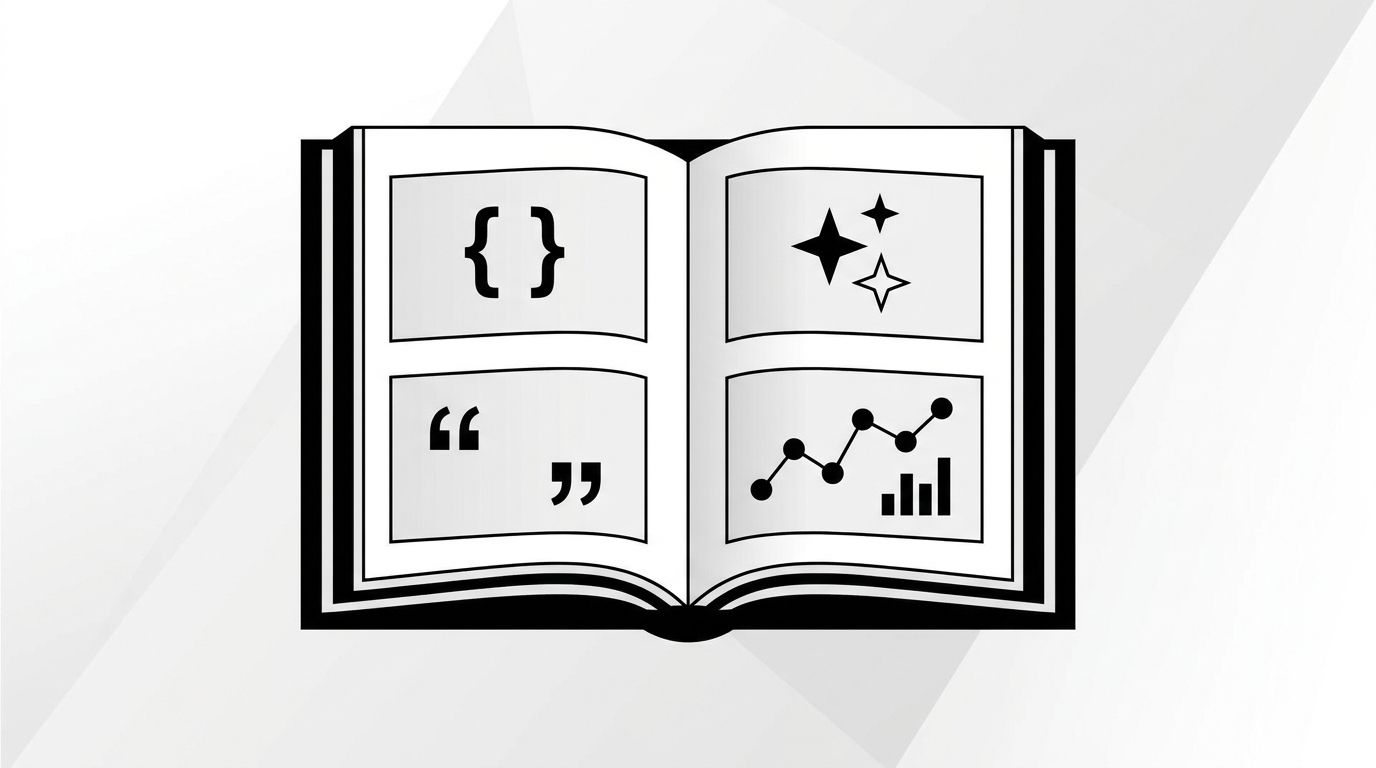
Four sections handle 90% of what matters. Keep the document tight so teams actually use it.
- Canonical brand description. A single 40 to 60 word paragraph that every external document should echo. Not verbatim, but consistently.
- Approved positioning phrases. 5 to 10 short phrases AI should associate with your brand. "AI visibility tracking platform," "built for B2B SaaS marketing teams."
- Disapproved associations. Phrases or associations you want AI to avoid. Naming what you don't want is more effective than listing everything you do want.
- Reference data points. Specific numbers, methodologies, and named claims AI should quote. If your positioning relies on "tracks 5 AI platforms," the exact number needs to be consistent across all content.
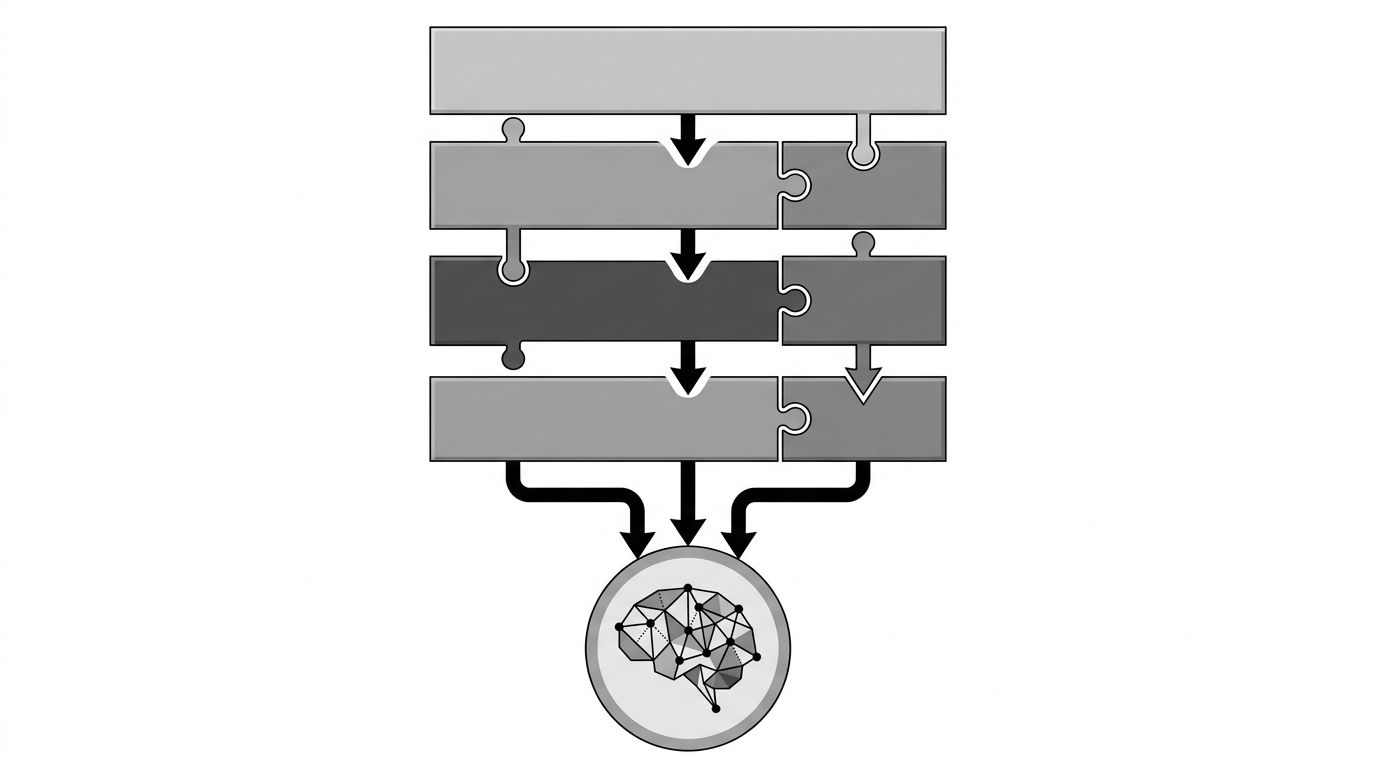
The diagram below shows how these four sections feed AI's public representation.
How to Write Each Section
The hard part is brevity and specificity. Long guidelines don't get followed.
Canonical description. One paragraph. No marketing flourish. Lead with what the product does, who it's for, and what outcome it produces. Think of it as the description you'd want AI to give a prospect who asks "what is Geology?"
Approved positioning phrases. Short, specific, repeatable. Not taglines. These are the exact phrases you want AI to internalize through repetition across content. Use them in press releases, partner integrations, podcast interviews, and your docs.
Disapproved associations. List the framings you don't want. "Not a replacement for SEO," "not an AI-first marketing platform," "not a content generator." Preempting wrong associations saves correction work later.
Reference data points. Keep a table with exact numbers and their approved phrasing. "Tracks AI mentions across five platforms." "Used by 200+ brands." When a number changes, update the table and push the update across all channels simultaneously.
How to Enforce Guidelines Without Killing Velocity
AI brand guidelines fail the same way traditional ones do: they become a bottleneck that teams route around. Avoid that with three structural moves.
- Make the guidelines one page. If it's longer, it won't get read by the people who need it.
- Embed them in content templates. Press release templates, blog post templates, and partner content templates should include the canonical description and approved phrases as defaults.
- Audit output, not input. Don't review every draft. Audit published content quarterly against the guidelines, find drift, and update templates.
Our content strategy service includes a standing audit against brand guidelines across public content. For enterprise programs, the enterprise solution page covers cross-business-unit alignment.
What to Do This Quarter
Write your AI brand guidelines document if it doesn't exist. One page. Four sections. Push it to the teams that publish public content, update your templates, and schedule the first quarterly audit. Track how AI platforms describe your brand before and after. Expect a noticeable sharpening of AI's representation within 90 days.
Our sentiment monitoring guide and misinformation response guide cover the related work of responding to AI drift after guidelines are in place.