GEO Myths Debunked, 7 Things Marketers Get Wrong
Which GEO beliefs are quietly wasting your time, and what do ChatGPT, Perplexity, and Gemini actually reward once you strip away the SEO assumptions?

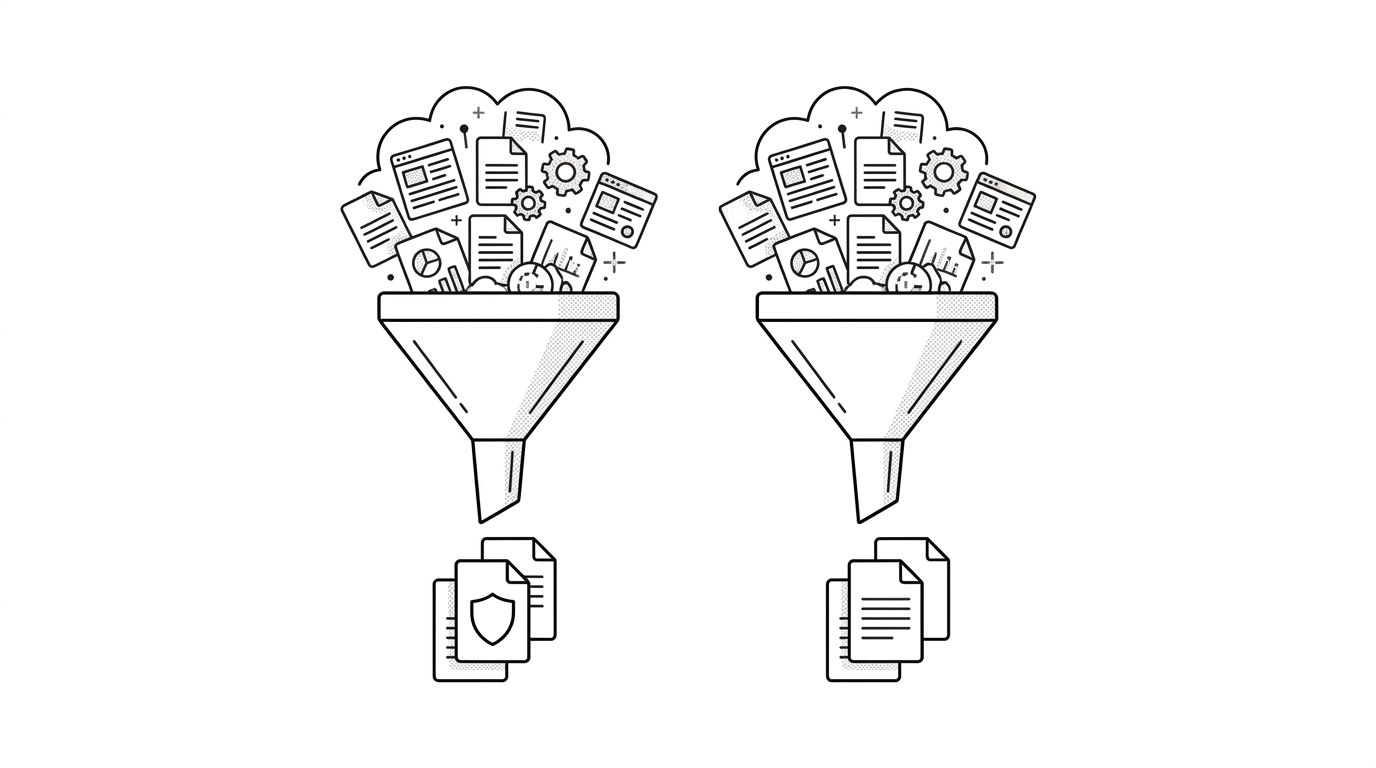
Generative Engine Optimization is barely two years old as a discipline, and the misinformation is already thick. Marketers are applying SEO assumptions to a fundamentally different system, vendors are overpromising what schema markup alone can achieve, and LinkedIn thought leaders are recycling the same surface-level advice without testing it. Here are seven specific myths about GEO that are actively leading teams in the wrong direction, and what the evidence actually supports.
Myth 1: GEO Is Just SEO with a New Name
This is the most pervasive misconception, and it causes the most damage. SEO and GEO share some foundational elements, quality content, technical accessibility, authority signals, but they target fundamentally different systems.
- SEO targets ranking algorithms that evaluate pages based on keywords, backlinks, and user engagement signals. The output is a position on a results page.
- GEO targets language models that synthesize information from multiple sources into a single generated response. The output is a recommendation or citation within that response.
The practical difference: you can rank #1 on Google for a keyword and still be completely absent from ChatGPT's answer to the same question. The differences between GEO and SEO are structural, not cosmetic. Treating them as interchangeable means you are optimizing for the wrong signals.
Myth 2: Adding Schema Markup Is All You Need
Schema markup helps AI models parse your content more efficiently. It does not guarantee you will be cited. This myth comes from vendors who sell technical SEO services and want to position schema as a silver bullet.
- Schema is one input among dozens. AI models also evaluate content depth, source authority, cross-reference consistency, freshness, and topical coverage.
- Brands with perfect schema but shallow content still get outperformed by brands with deep, authoritative content and no schema at all.
- Schema is most effective when layered on top of strong foundational content, not as a substitute for it.
Think of schema as formatting, not substance. It makes your content easier to read, but it does not make it worth reading.
Myth 3: You Can Optimize for One AI Platform and Cover Them All
ChatGPT, Gemini, Perplexity, Copilot, and Google AI Overviews each use different models, different training data, and different retrieval mechanisms. Optimizing for ChatGPT does not mean you are optimized for Gemini.
- ChatGPT relies heavily on its training data and increasingly on real-time web retrieval via plugins and browsing.
- Perplexity operates as a search engine first and prioritizes real-time web results with source citations.
- Google AI Overviews blend traditional search ranking signals with generative summarization.
- Gemini and Copilot each have their own content ingestion and ranking preferences.
A cross-platform strategy is not optional. The brands winning at GEO monitor and optimize across all five platforms simultaneously. Single-platform optimization leaves gaps your competitors will fill.
The comparison below shows how the same query produces different brand recommendations across AI platforms.

Myth 4: GEO Results Are Instant
Some early GEO guides imply you can publish optimized content today and appear in AI responses tomorrow. That is not how language models work.
- Training-based models (like ChatGPT's base model) only incorporate new information during training updates, which happen on irregular schedules.
- Retrieval-augmented models (like Perplexity and ChatGPT with browsing) can pick up new content faster, sometimes within days, but only if your content meets their quality and authority thresholds.
- Realistic timelines: Most brands see measurable changes in 2–8 weeks for retrieval-based platforms and 2–6 months for training-based associations.
Set expectations accordingly. GEO is a compounding investment, not a sprint. The ROI framework helps you model realistic timelines for your category.
Myth 5: More Content Always Means More AI Visibility
Volume-based content strategies that worked in early SEO do not translate to GEO. AI models do not reward pages per se, they reward topical authority demonstrated through depth, accuracy, and consistency.
- Publishing 50 thin blog posts on adjacent topics does less for AI visibility than publishing 5 thorough, well-structured guides on your core topics.
- AI models evaluate topical authority at the domain level. A site with deep coverage of a narrow topic outperforms a site with shallow coverage of many topics.
- Content consolidation often improves GEO performance. Merging three weak posts into one authoritative guide sends a stronger signal.
Quality over quantity is a cliche in SEO. In GEO, it is a structural requirement.
Myth 6: You Cannot Influence What AI Says About Your Brand
Some marketers treat AI responses as black boxes, uncontrollable outputs from systems they cannot affect. This learned helplessness is incorrect.
- AI models pull from specific, identifiable sources. If you improve those sources, you improve the output.
- Structured content, consistent brand information, authoritative citations, and factual accuracy all directly influence how AI models represent your brand.
- When AI gets your brand wrong, there are specific corrective actions that work, fixing source material, publishing authoritative corrections, and ensuring consistency across reference platforms.
You do not control AI responses the way you control ad copy. But you influence them significantly through the inputs the model draws from. The distinction between control and influence matters, but influence is powerful enough to build a strategy around.
Myth 7: GEO Is Only for Big Brands
This myth assumes AI models simply recommend the biggest brand in any category. They do not. Models evaluate content quality, topical relevance, and source authority, none of which require a Fortune 500 budget.
- Challenger brands with well-structured, authoritative content regularly appear in AI recommendations alongside or instead of category leaders.
- Niche specialists often outperform generalists in AI responses because their content demonstrates deeper expertise on specific topics.
- Startups that invest in GEO early gain compounding advantages as AI models learn and reinforce their brand associations.
The barrier to GEO is effort and strategy, not budget. A free visibility audit shows you exactly where you stand and what it would take to break into AI recommendations for your category.
What to Do With This Information
Strip away the myths and the core of GEO is straightforward: create authoritative, well-structured content that accurately represents your brand, make it technically accessible to AI systems, and maintain consistency across every platform that models reference. That is it. The myths exist because people want shortcuts or because they are applying old frameworks to a new system.
Start by auditing your current AI presence with a free visibility check, then build a strategy based on what the data shows, not on what a LinkedIn post claimed. For the full framework, read the complete guide to GEO or explore GEO optimization services for hands-on support.