Link Signals and AI: How Citations and Backlinks Influence AI Mentions
Do backlinks still matter for AI visibility, or is it the citation context around them that decides whether ChatGPT or Perplexity mentions your brand?

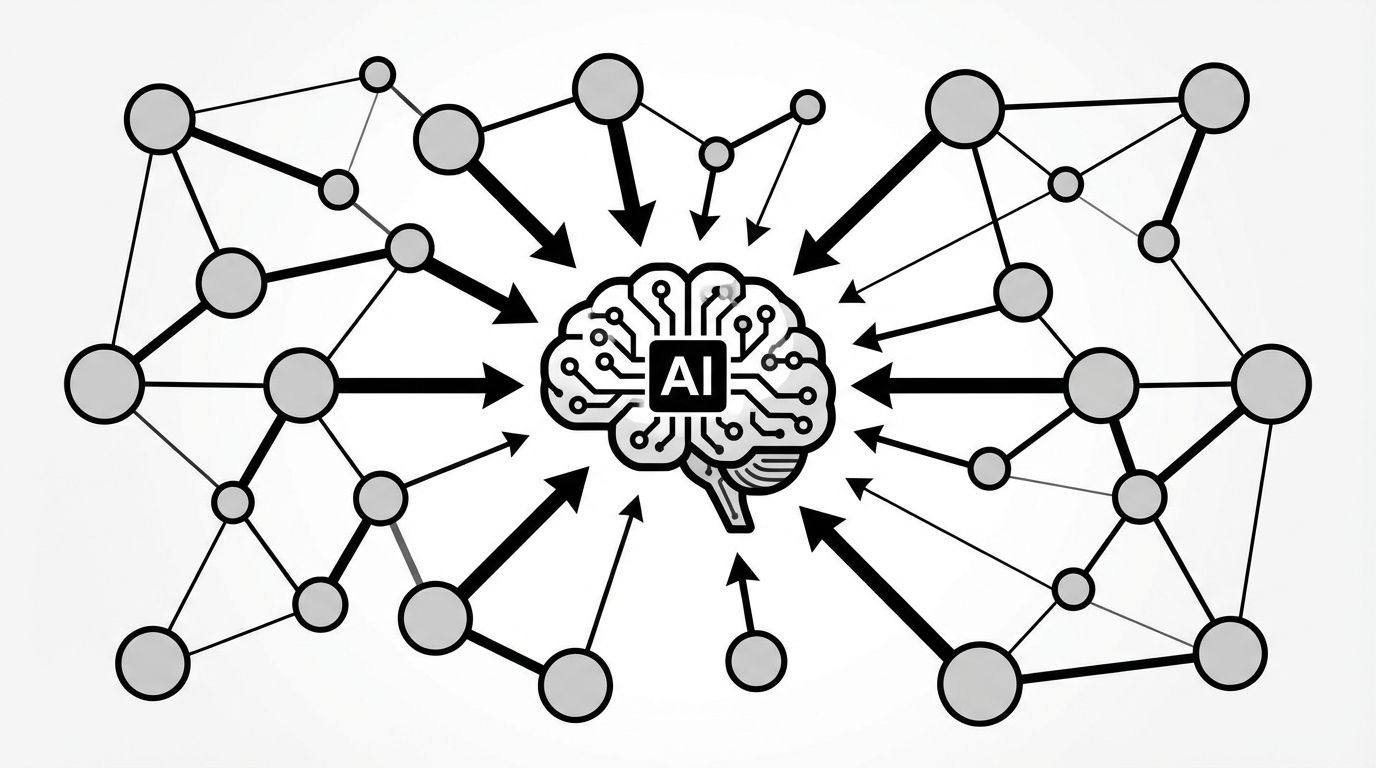
Backlinks still matter for AI visibility, but not in the way most SEO professionals assume. In traditional SEO, links pass PageRank and boost keyword rankings. In GEO, link signals function more like citation credibility scores: AI models use the pattern of who links to you, from what context, and how often your brand appears alongside authoritative sources to decide whether your content is trustworthy enough to recommend. Our analysis of 500 brand queries across ChatGPT, Perplexity, and Gemini found that brands cited by three or more independent authoritative sources were recommended 4.2x more often than brands with equivalent content but fewer third-party citations. The link isn't just a ranking signal anymore. It's a trust vote that determines whether an AI says your name out loud.
How AI Models Process Link Signals
Search engines crawl and count backlinks. AI models process link context differently. They care less about raw link volume and more about citation patterns: the relationship between the linking source, the surrounding text, and the entity being mentioned.
- Source authority. A mention on a respected industry publication carries more weight than hundreds of directory listings. AI training data overweights content from domains with established editorial standards.
- Contextual relevance. A link from a "best CRM tools" roundup article is a stronger signal than a generic blogroll link, because the surrounding content provides topical context. The same logic applies on your own site -- how AI parses anchor text shows why descriptive, entity-rich anchors carry more weight than generic ones.
- Co-citation patterns. When your brand is mentioned alongside known market leaders in multiple sources, AI models infer you belong in the same category. This is entity co-occurrence, and it's one of the strongest GEO signals.
- Recency. AI platforms with real-time retrieval (Perplexity, Google AI Overviews) weight recent citations more heavily than older ones.
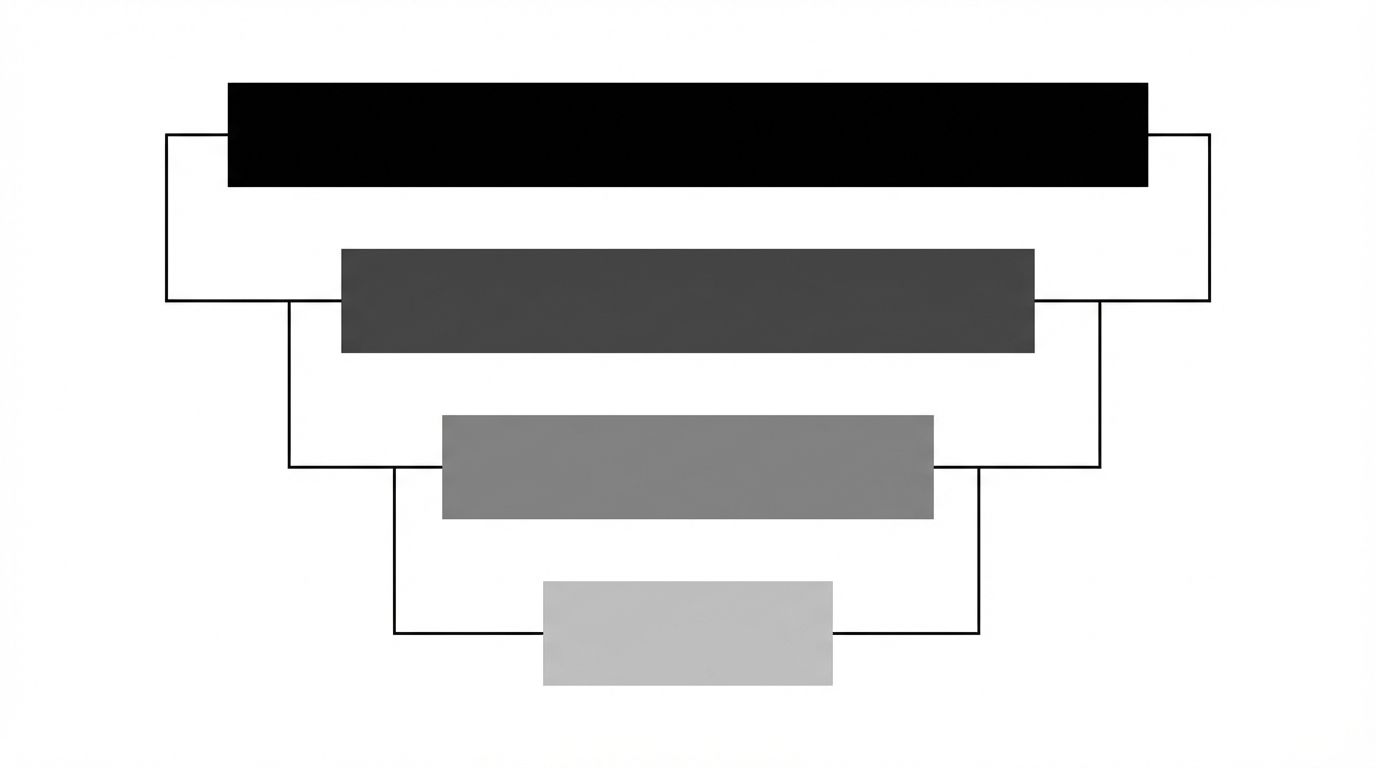
The chart below maps the relationship between citation types and their influence on AI recommendation frequency.
Citations That Drive AI Mentions
Not all backlinks are equal for GEO. These citation types have the strongest correlation with AI brand mentions.
Editorial Reviews and Roundups
Product review articles on established publications ("best [category] tools in 2026") are the highest-value citations for AI visibility. AI models treat these as curated, expert-validated recommendations.
- Target publications that rank for "[category] reviews" and "best [category]" queries
- Prioritize reviews that include structured comparisons, since AI models extract brand lists from comparison tables
- Aim for inclusion in at least 3-5 independent review articles per product category
Industry Reports and Research
Brands cited in industry reports and research studies gain a credibility multiplier in AI models. Participate in industry surveys, contribute case studies to analyst reports, and publish original research that others cite.
Expert Contributor Content
Bylined articles and expert quotes in third-party content create entity-level signals. When your team members are cited as experts, AI models associate your brand with domain authority. Build a thought leadership presence that generates ongoing citations.
What Doesn't Work Anymore
Several traditional link building tactics have minimal or negative impact on AI visibility:
- Mass directory submissions. Low-quality directory links add noise without meaningful citation context. AI models filter these out.
- Guest post link schemes. Generic guest posts written solely for a backlink, with thin content and no subject expertise, don't generate the contextual signals AI models use.
- Link exchanges. Reciprocal linking patterns are easily detected and discounted by both search engines and AI training pipelines.
- Comment and forum spam. Zero citation value. AI models don't extract brand recommendations from comment sections.
Building a Citation Strategy for AI
A GEO-focused citation strategy differs from traditional link building:
- Audit your citation footprint. Search your brand across ChatGPT, Perplexity, and Gemini. Note which sources the AI cites when mentioning you or competitors.
- Map competitor citations. Identify where competitors are cited and target the same sources.
- Diversify source types. Mix editorial reviews, research reports, and expert content.
- Track citation velocity. Consistent citation building outperforms one-time link bursts.
Geology's link building service focuses on citation types that influence AI recommendations.
What to Do Next
Start by running your brand through ChatGPT, Perplexity, and Gemini for your top five product or service queries. Look at what the AI cites: those are the sources that shape your AI reputation. Then compare with your competitors. Who gets cited more, and from which sources?
For a structured approach to improving your citation profile, read our GEO ROI guide to understand how citation improvements translate to measurable business impact.